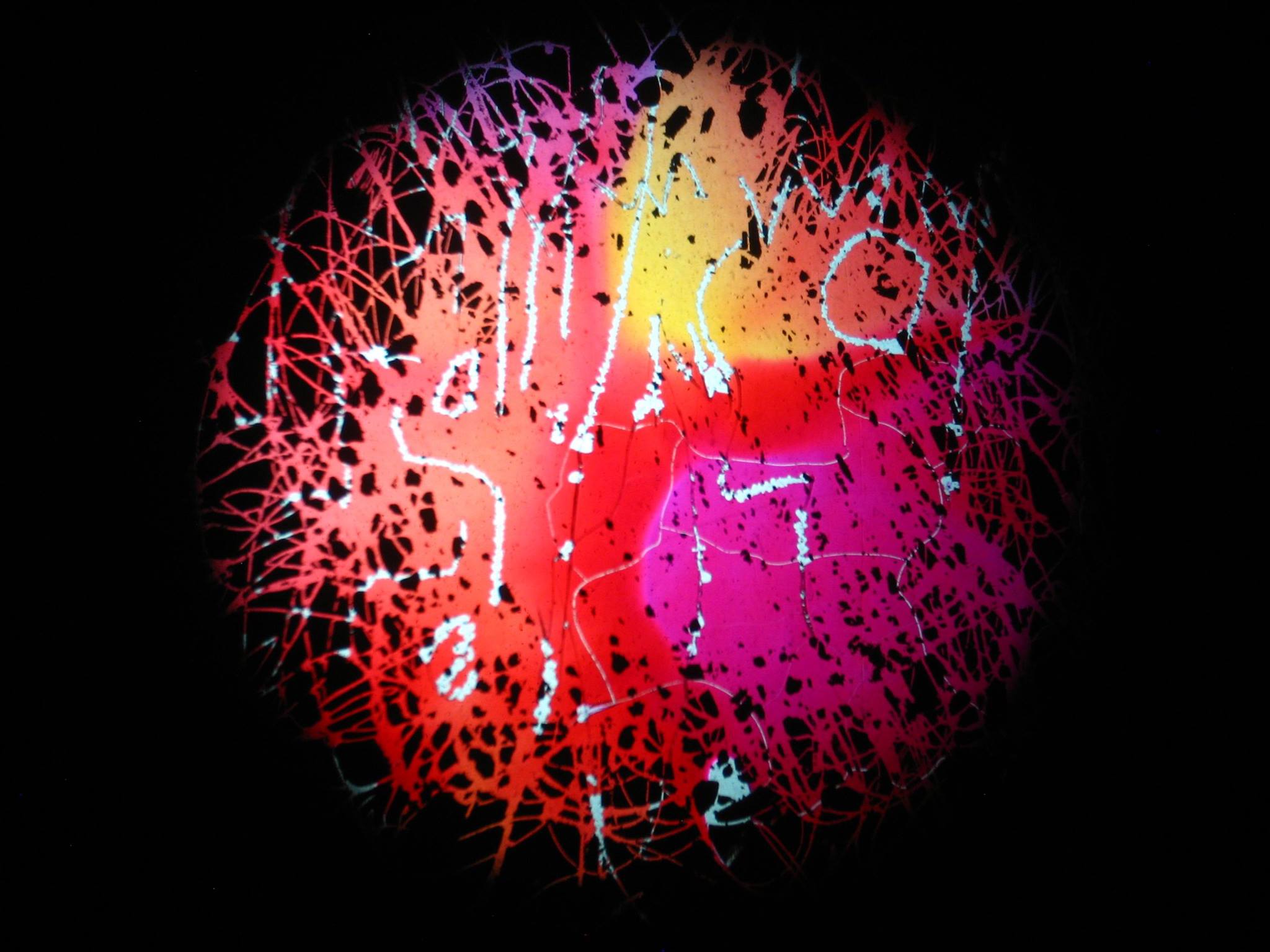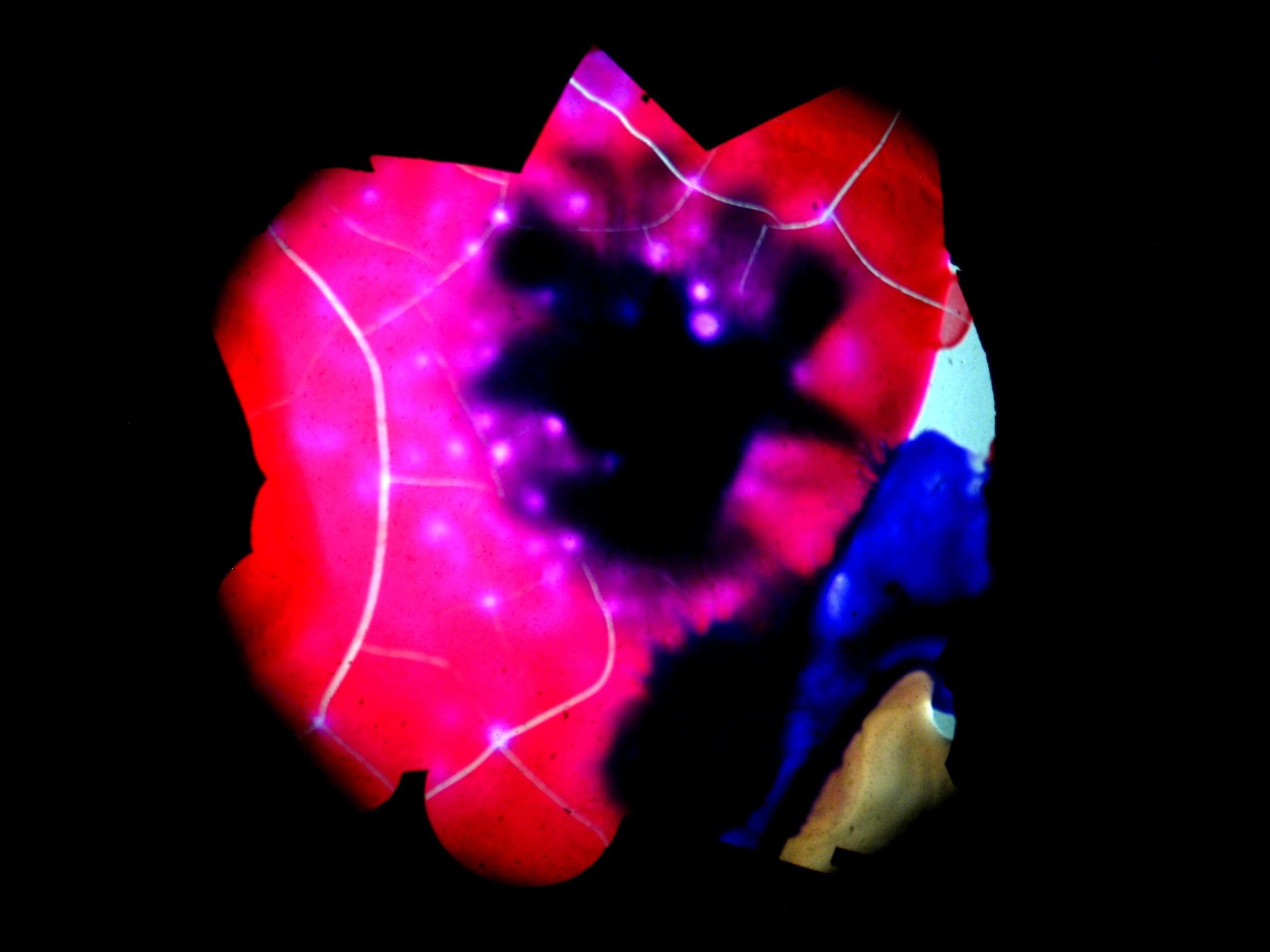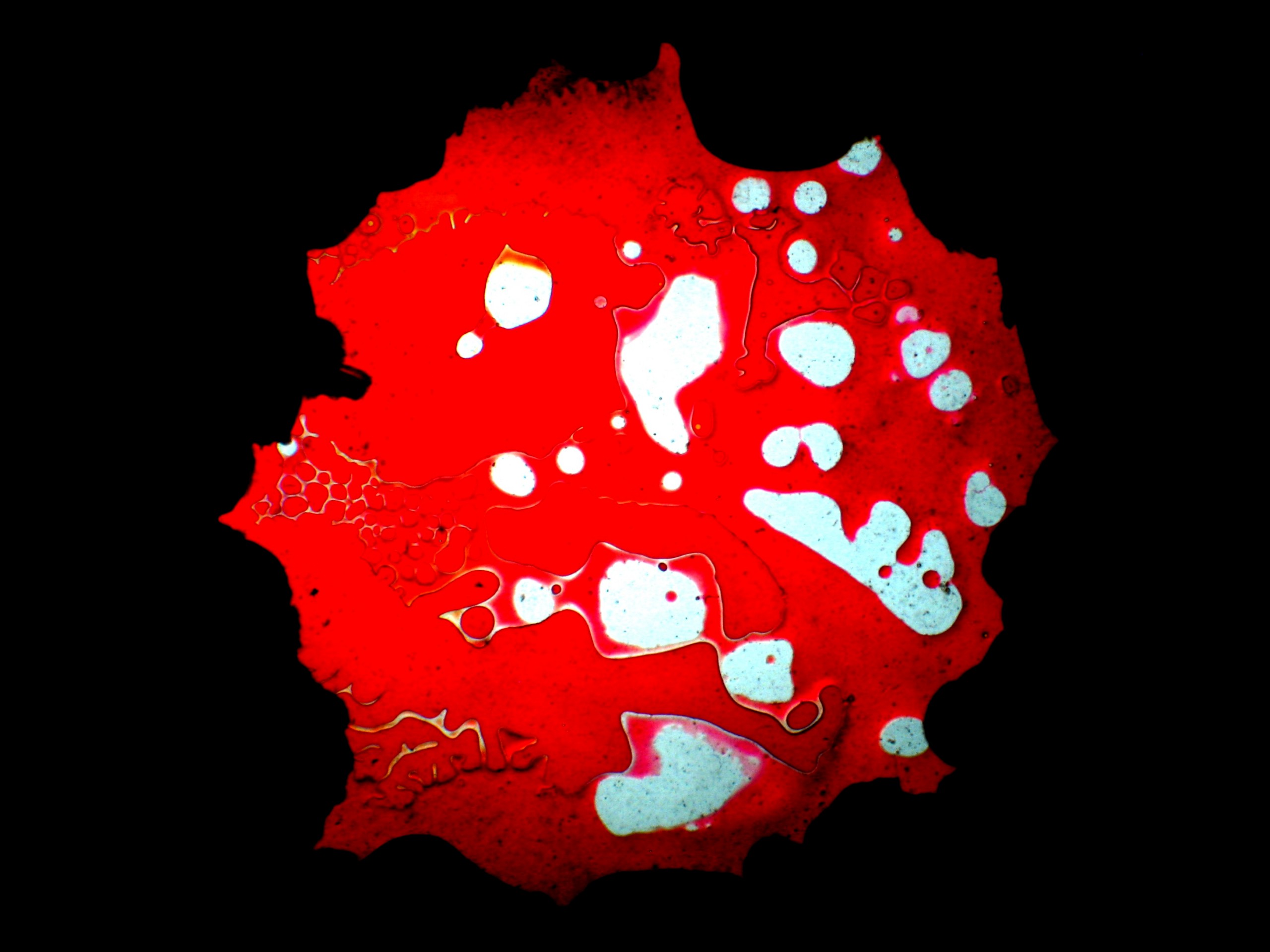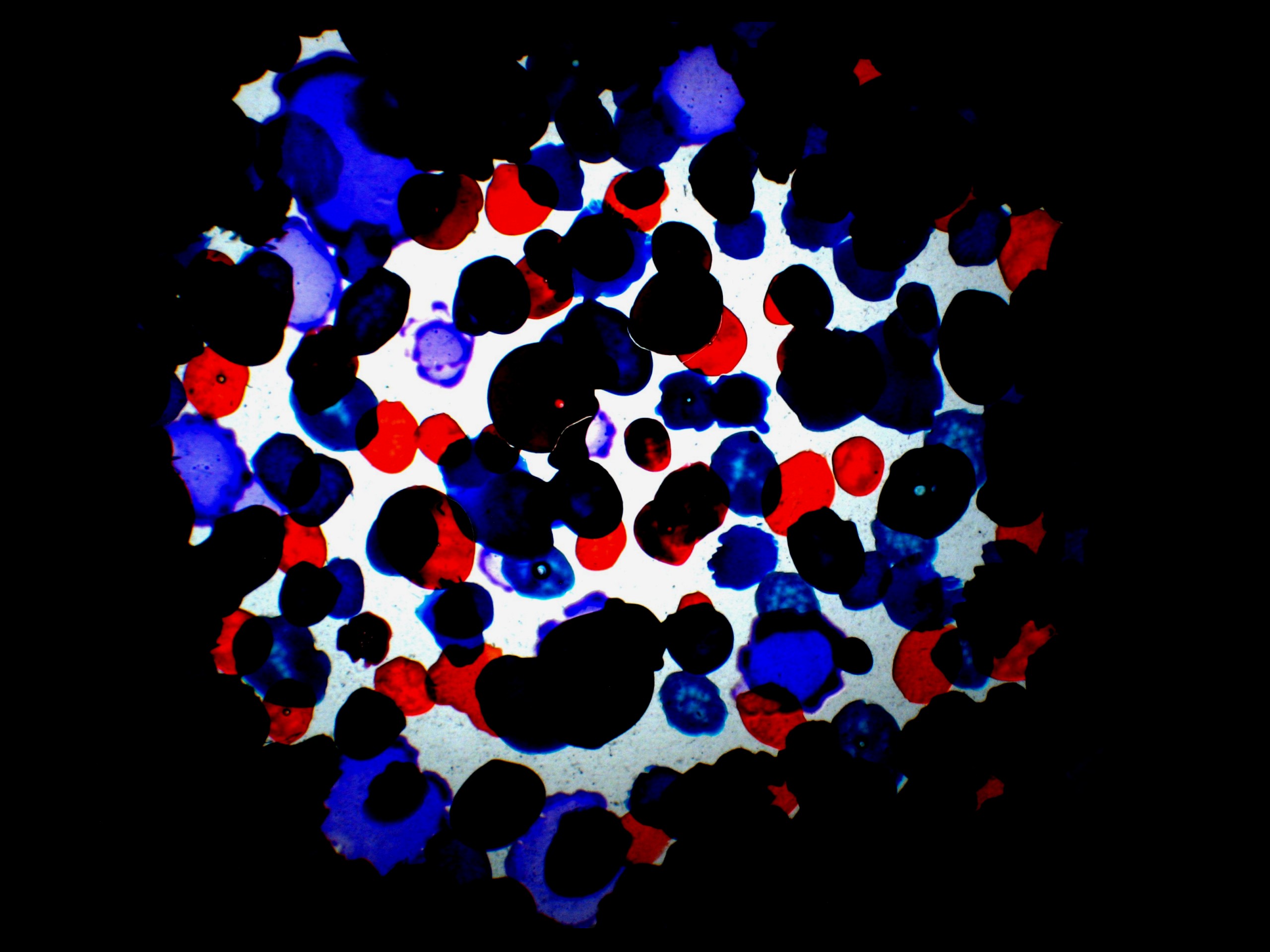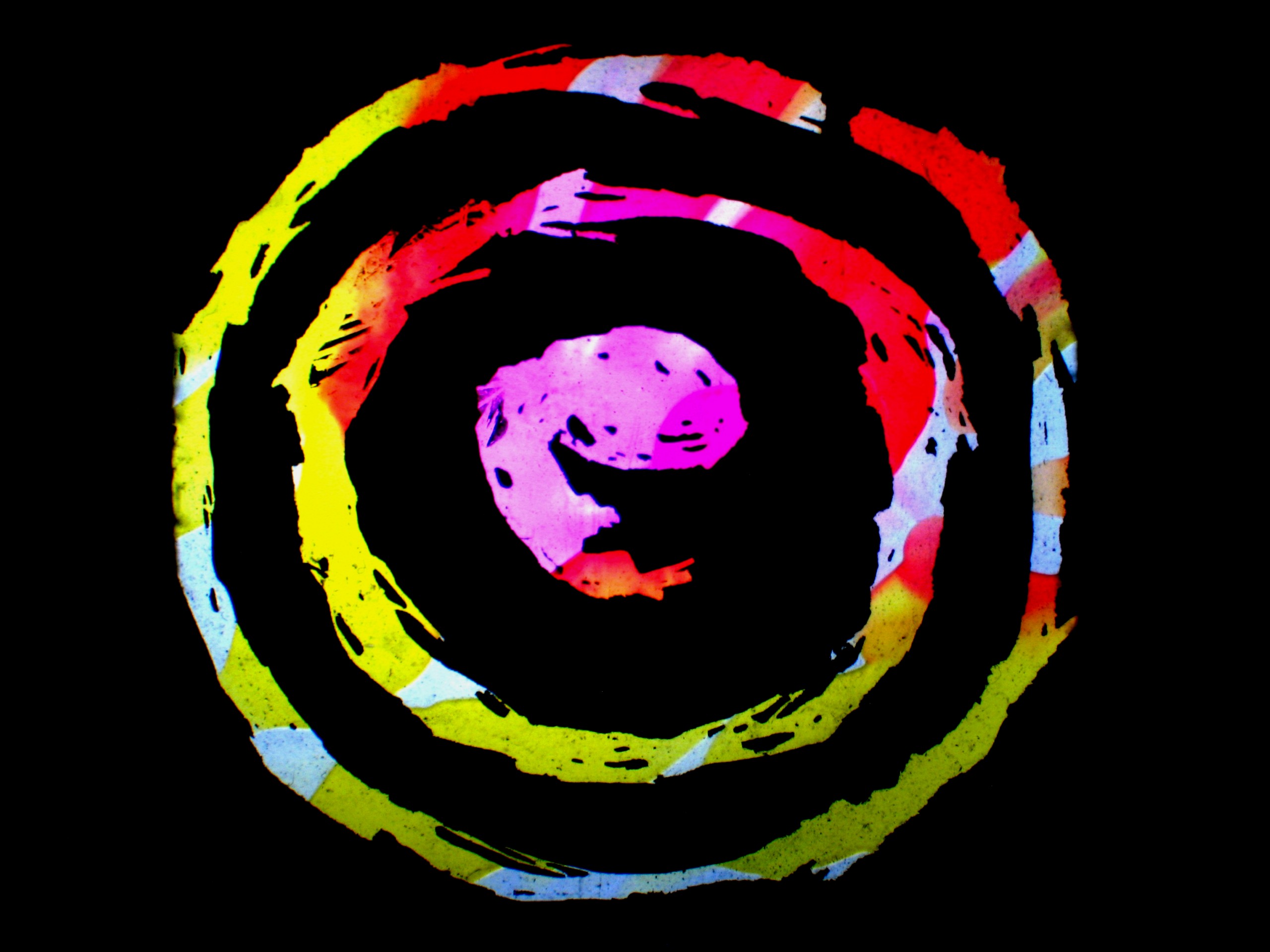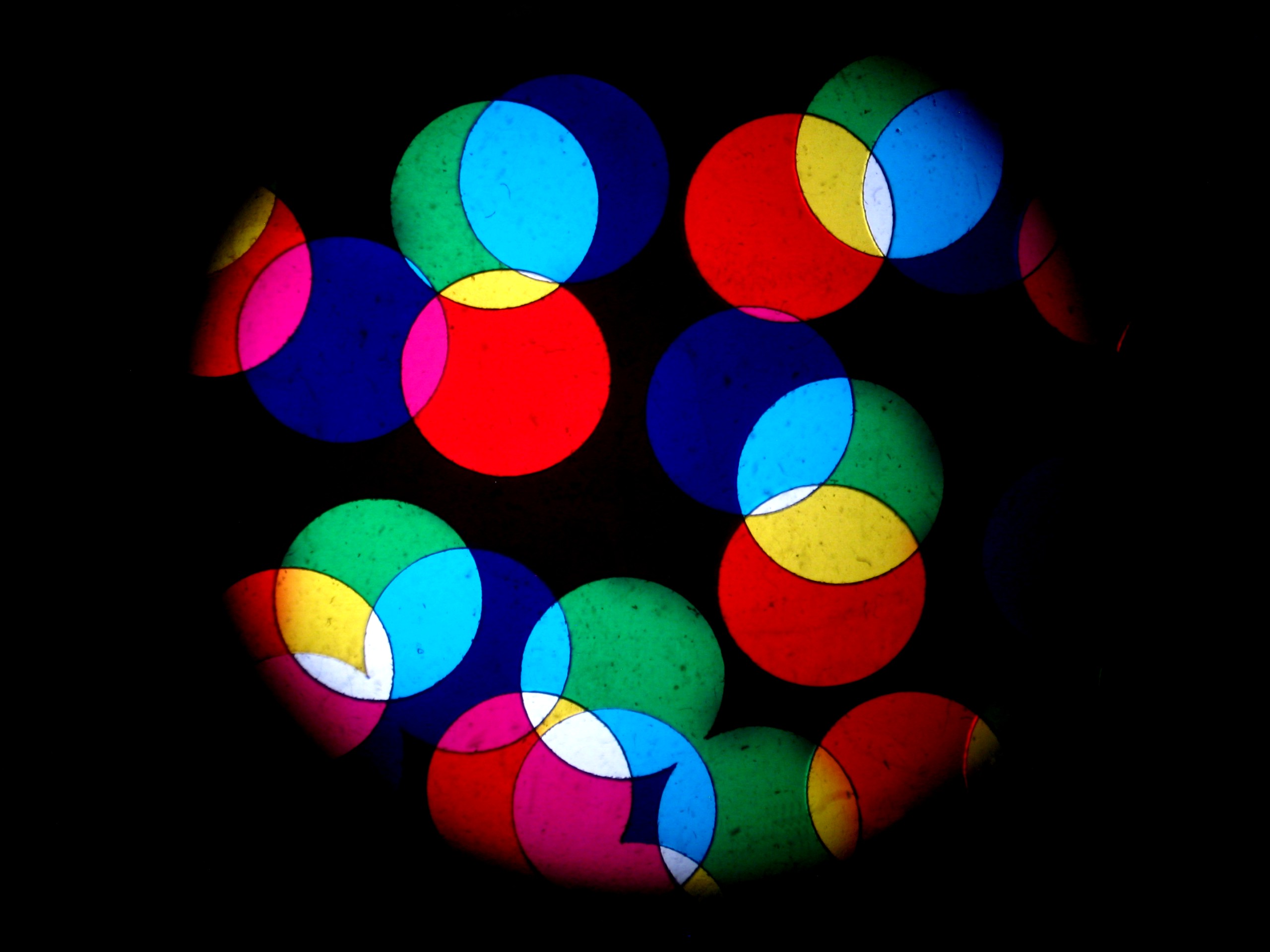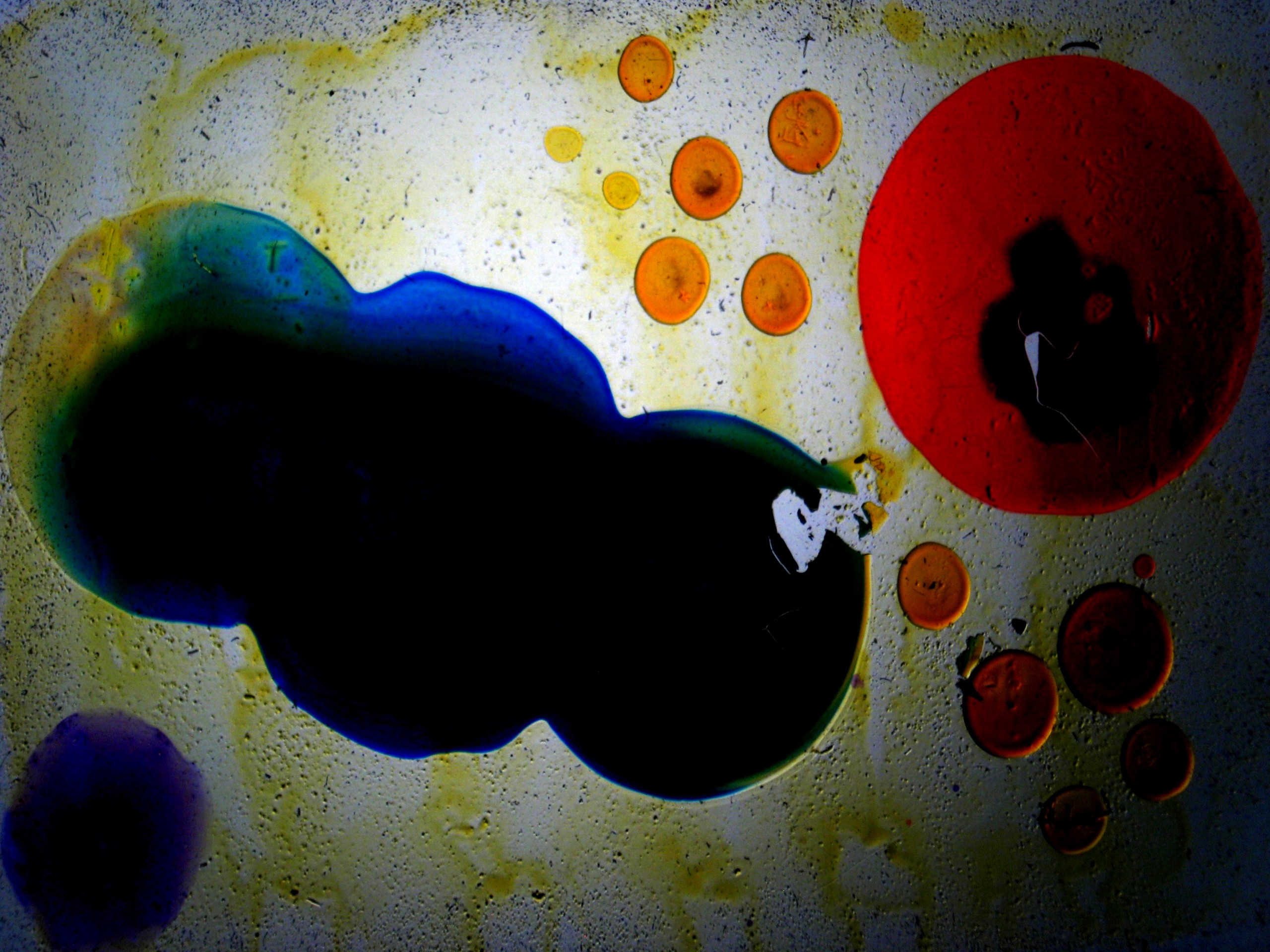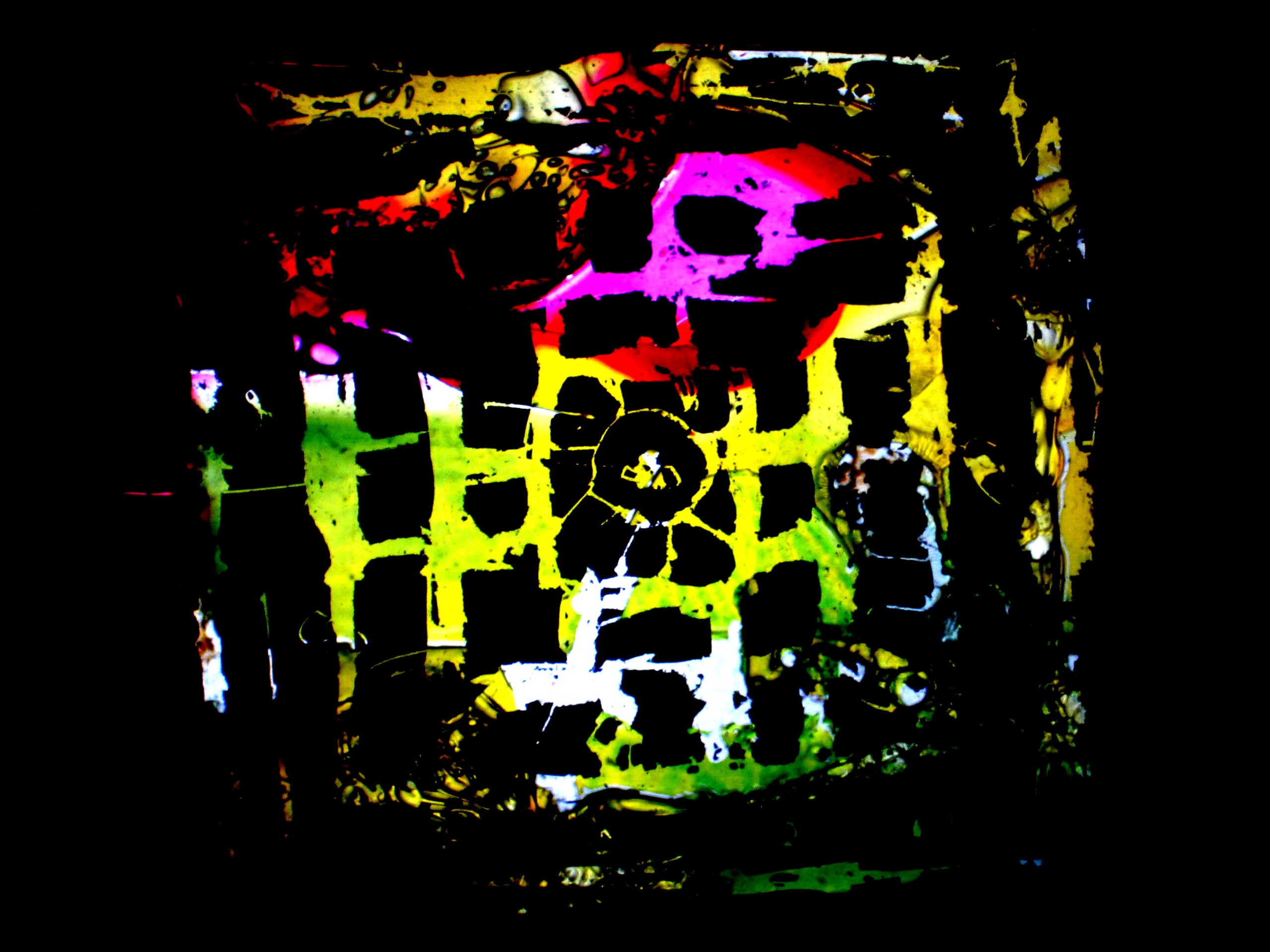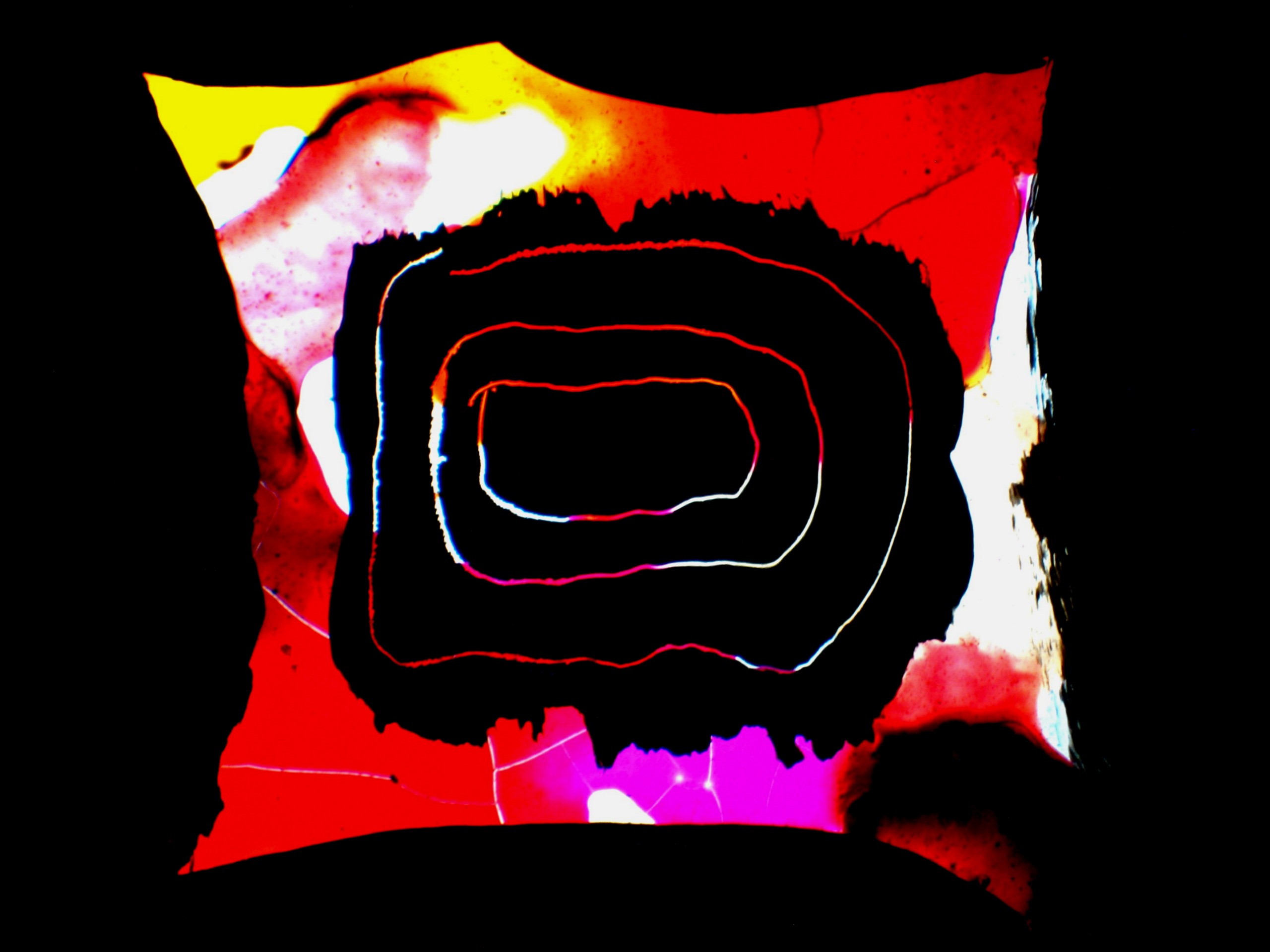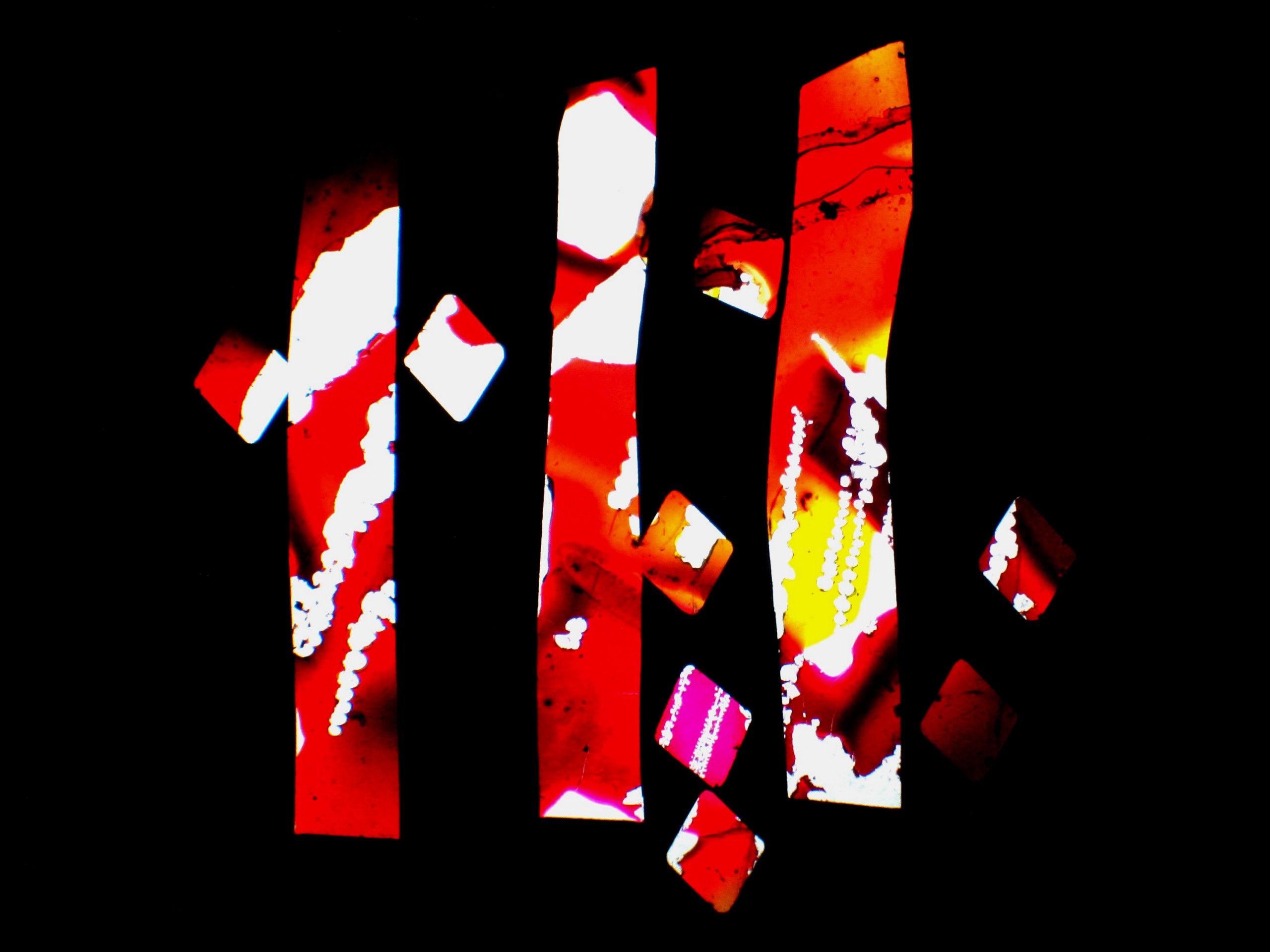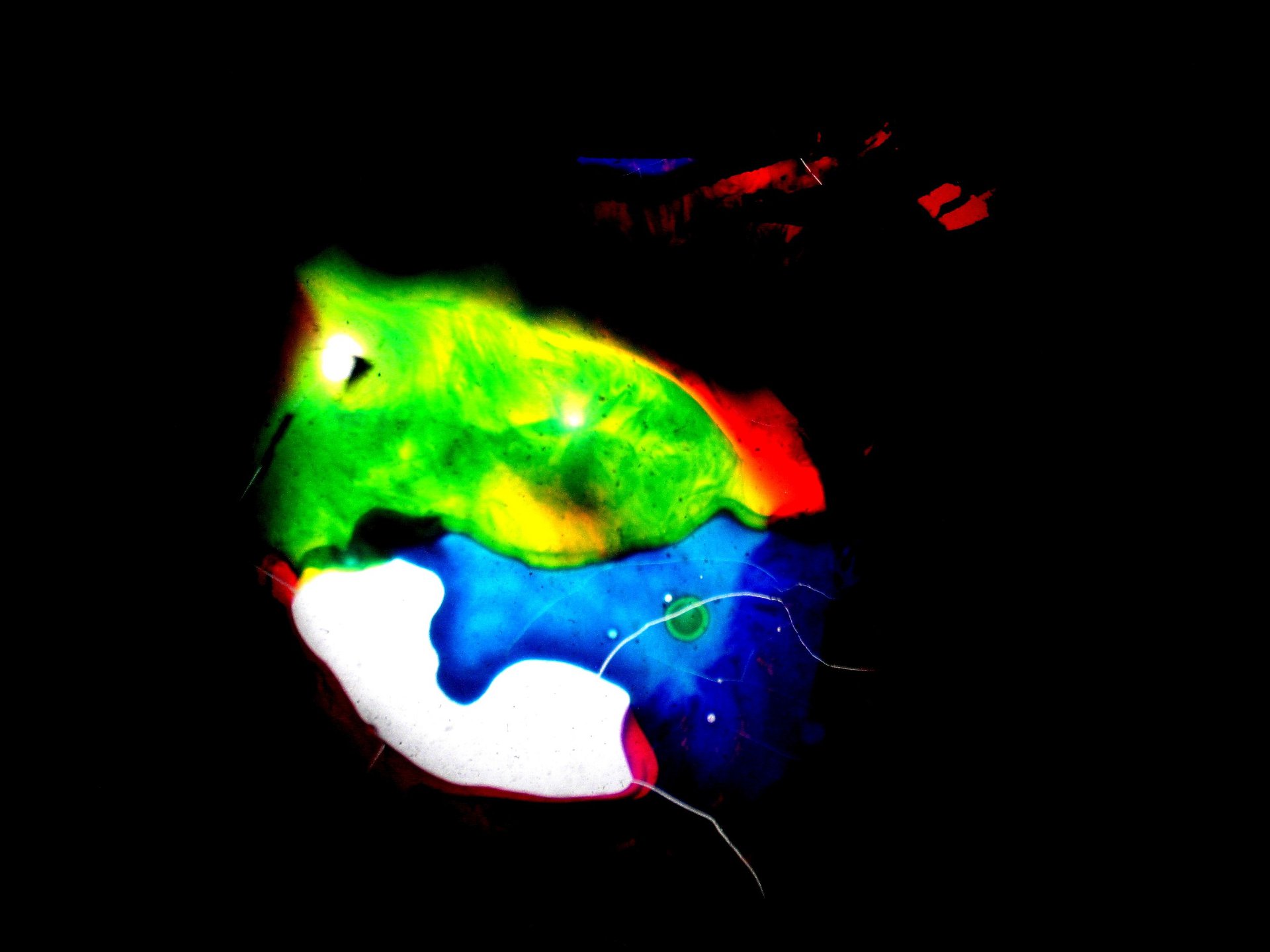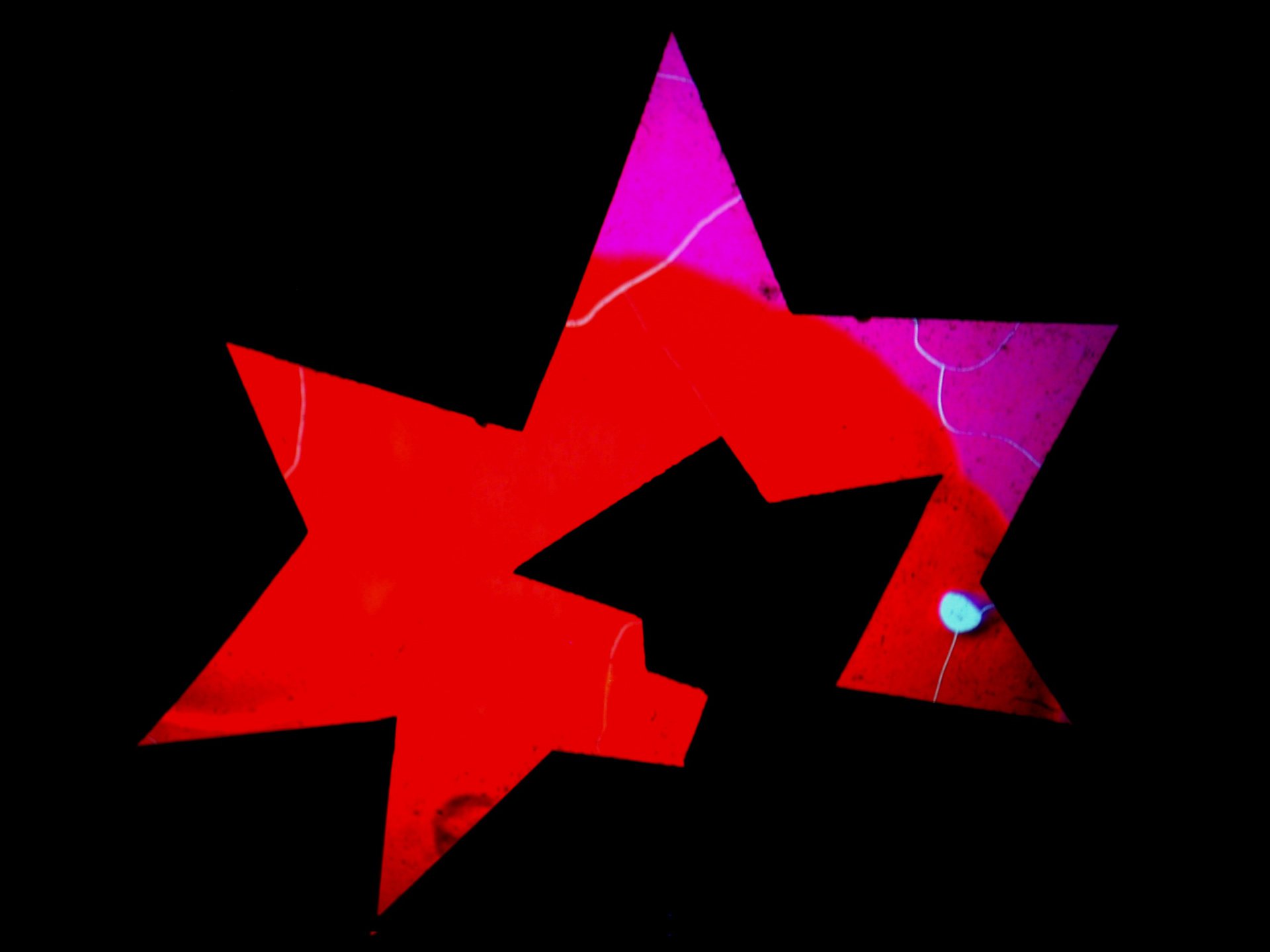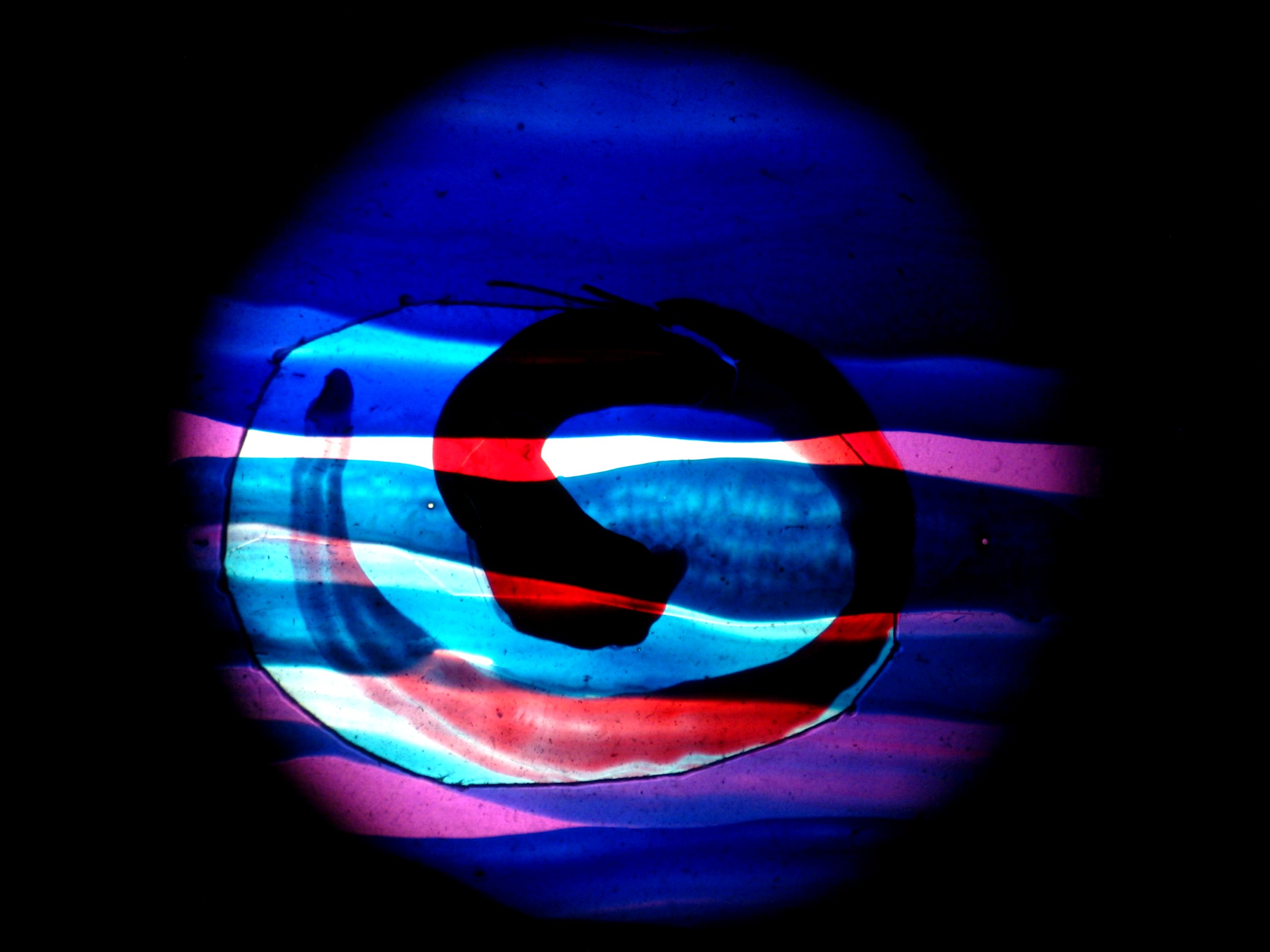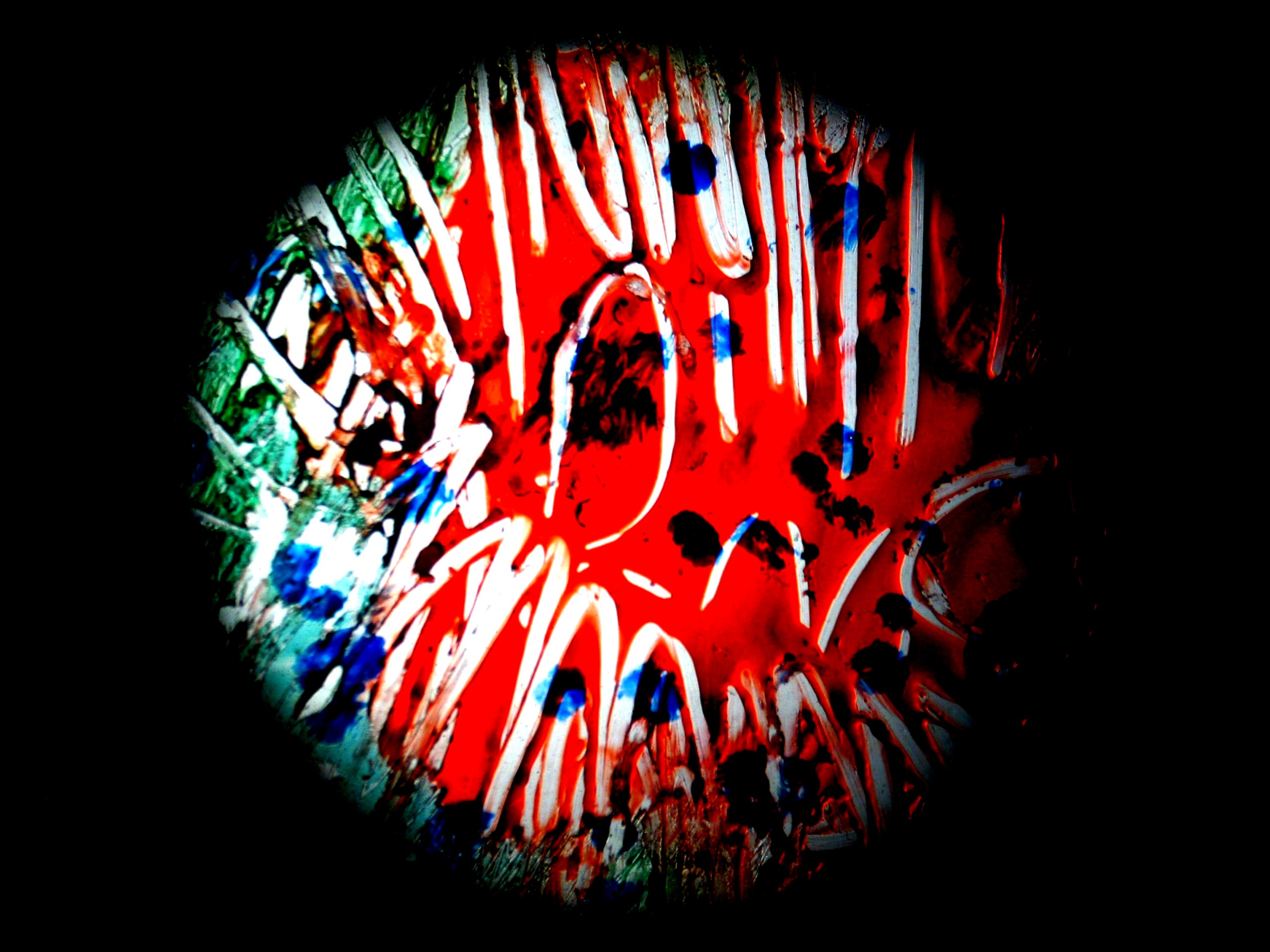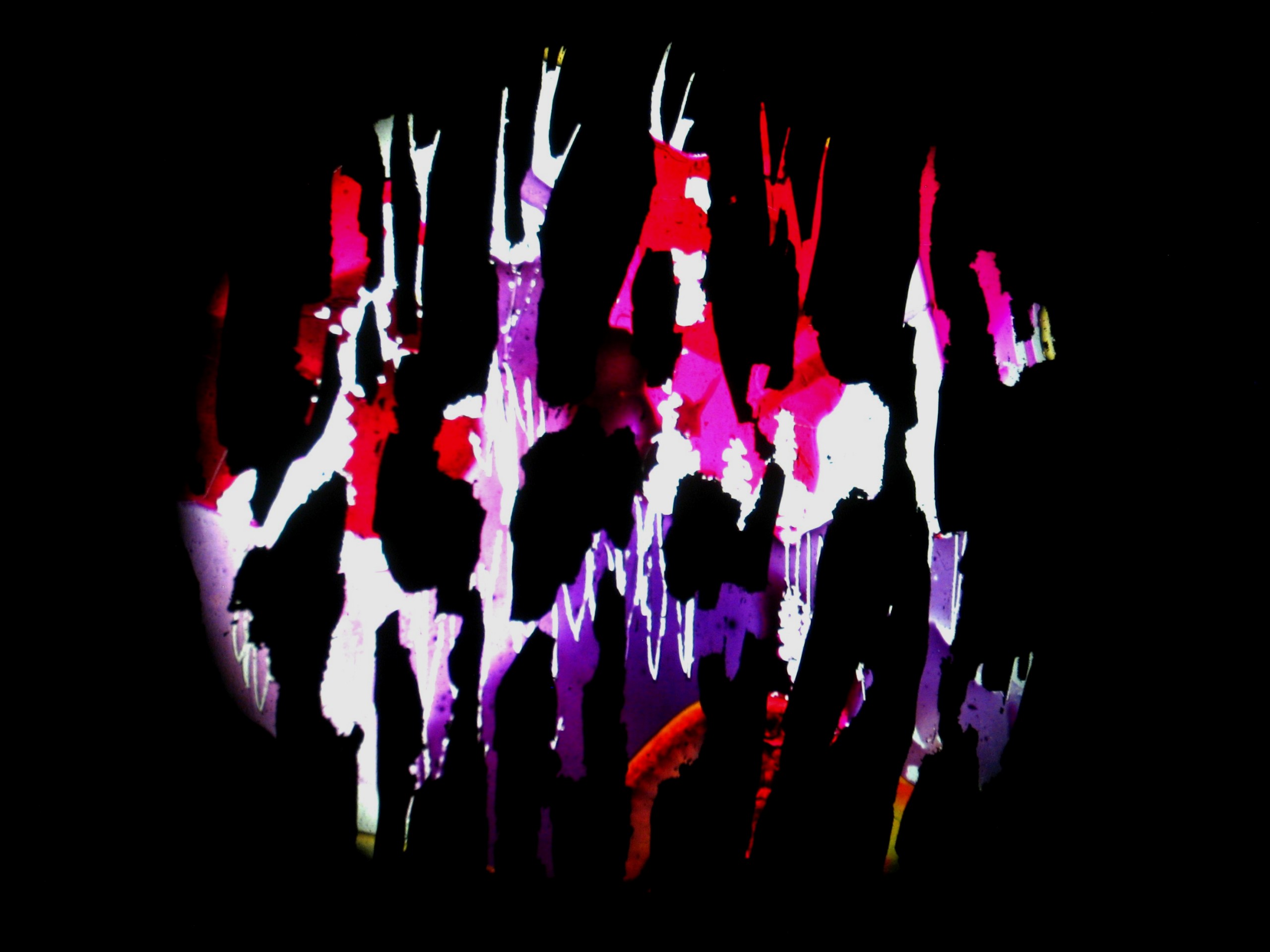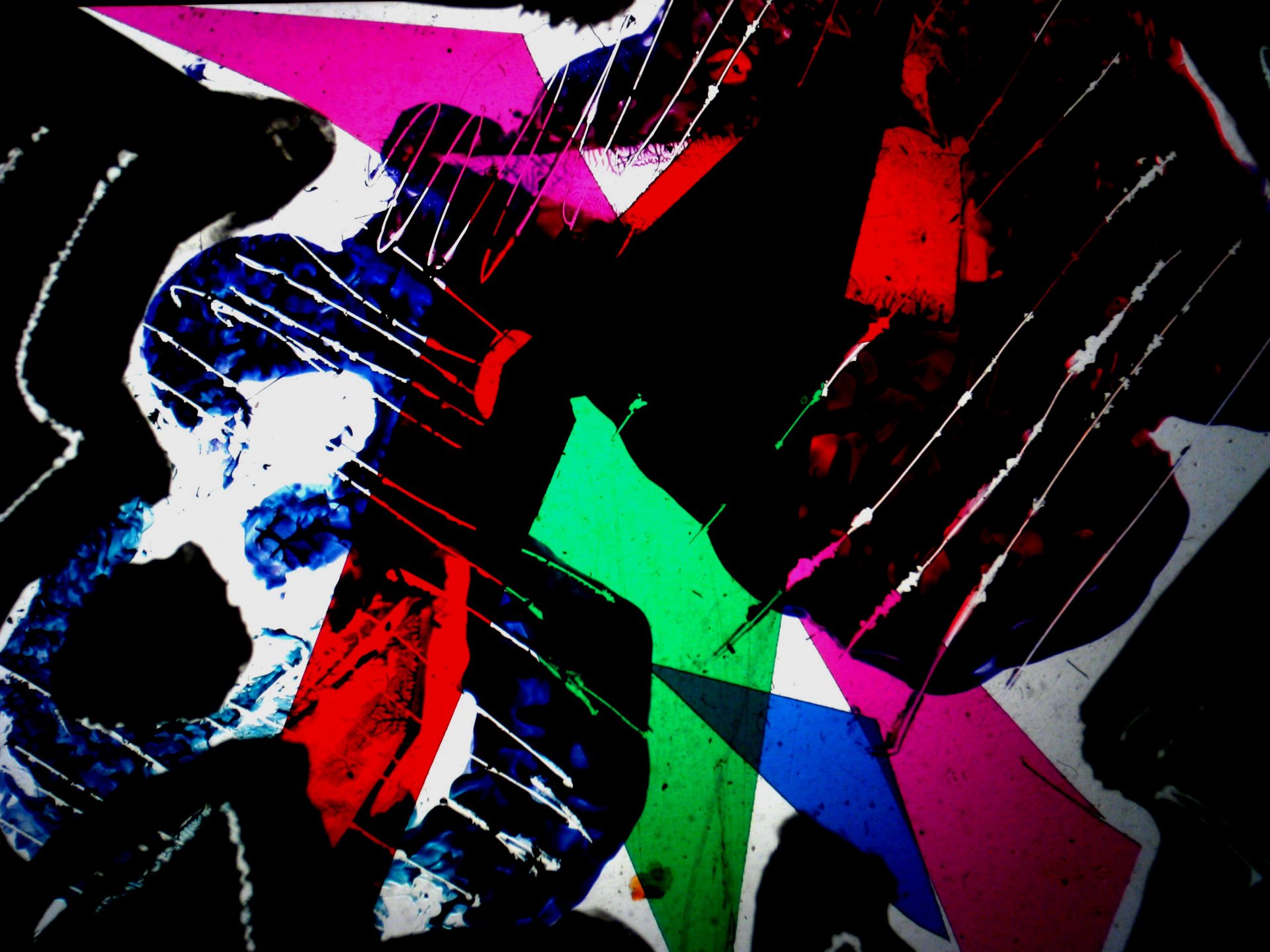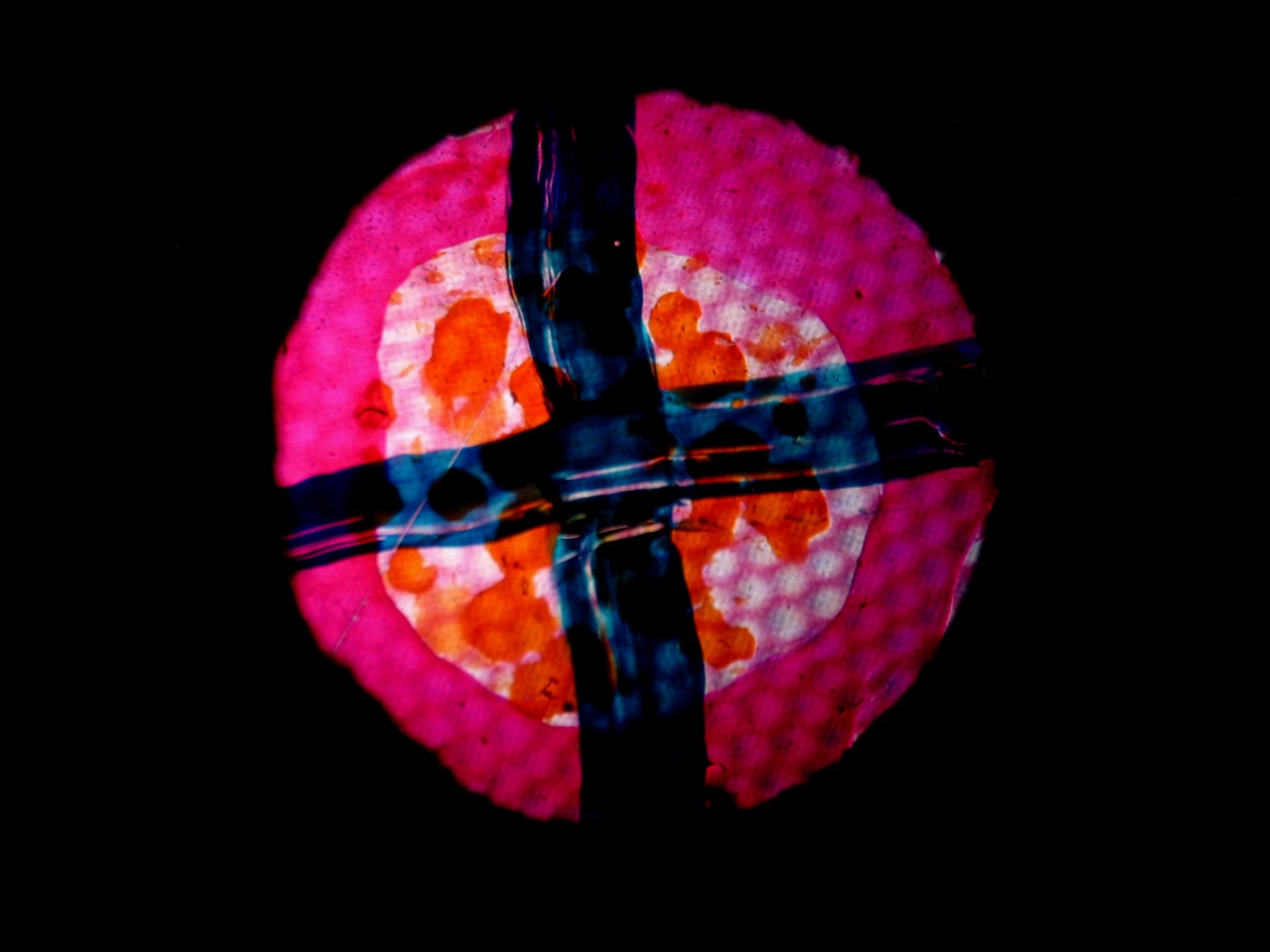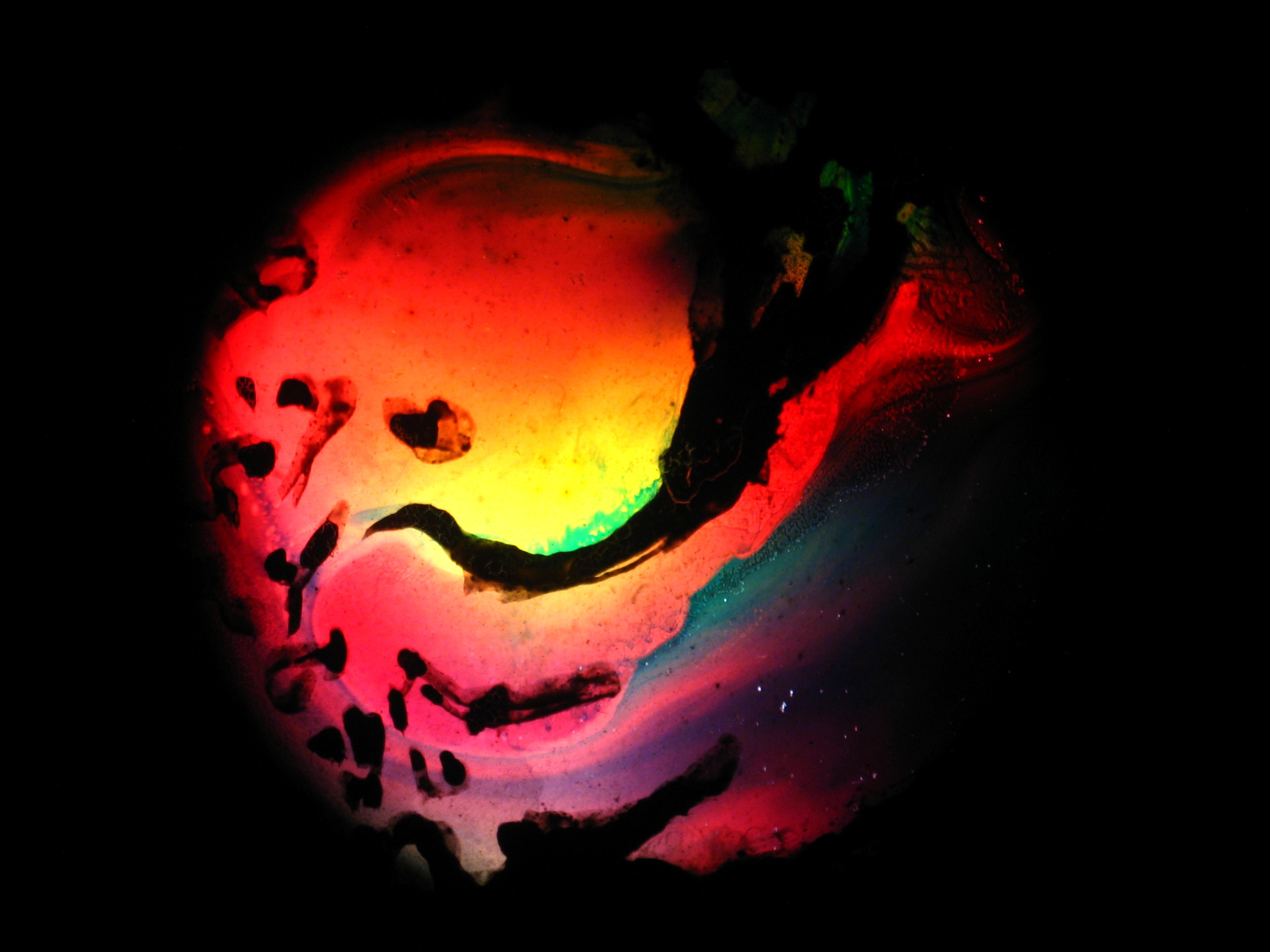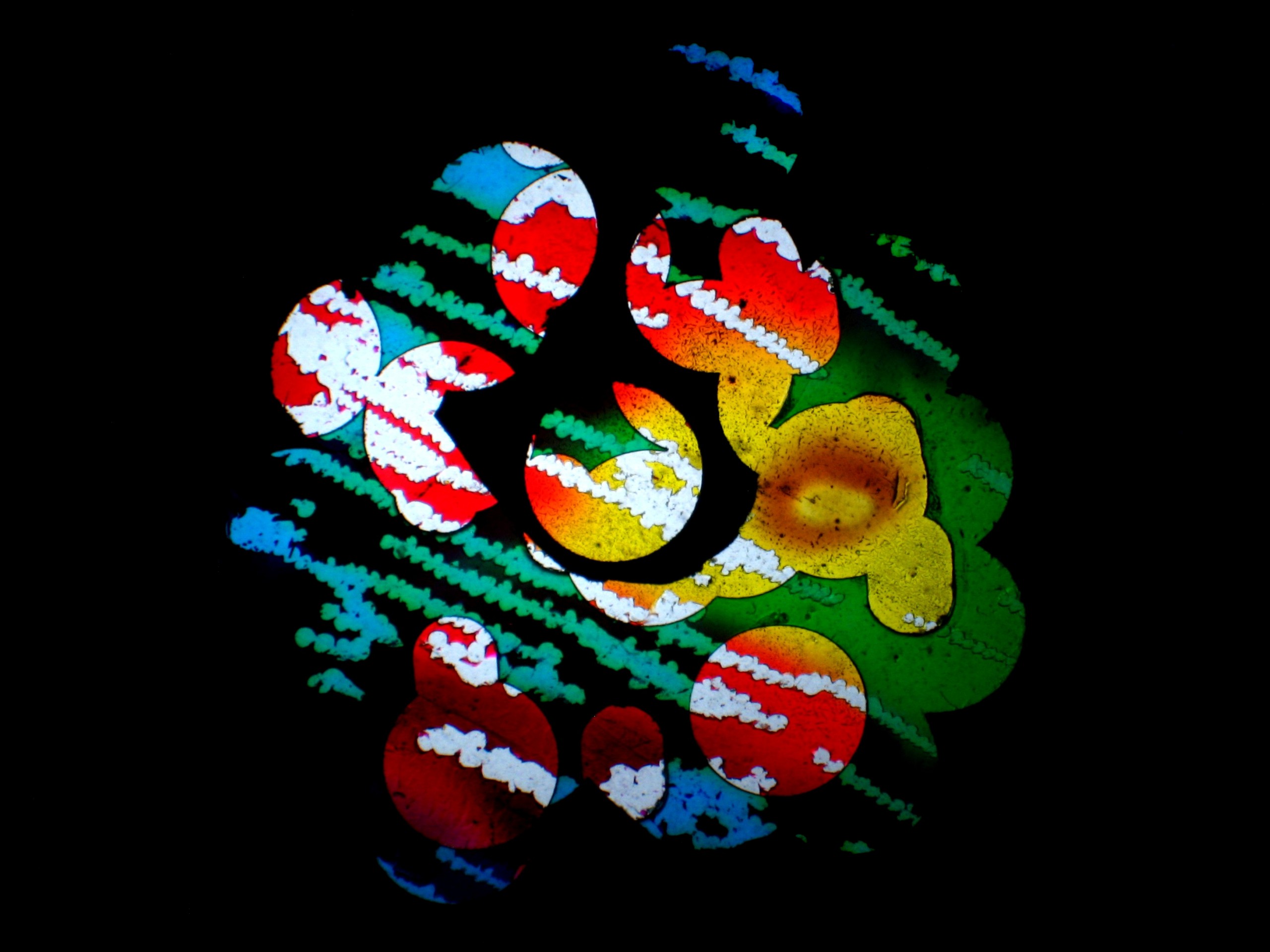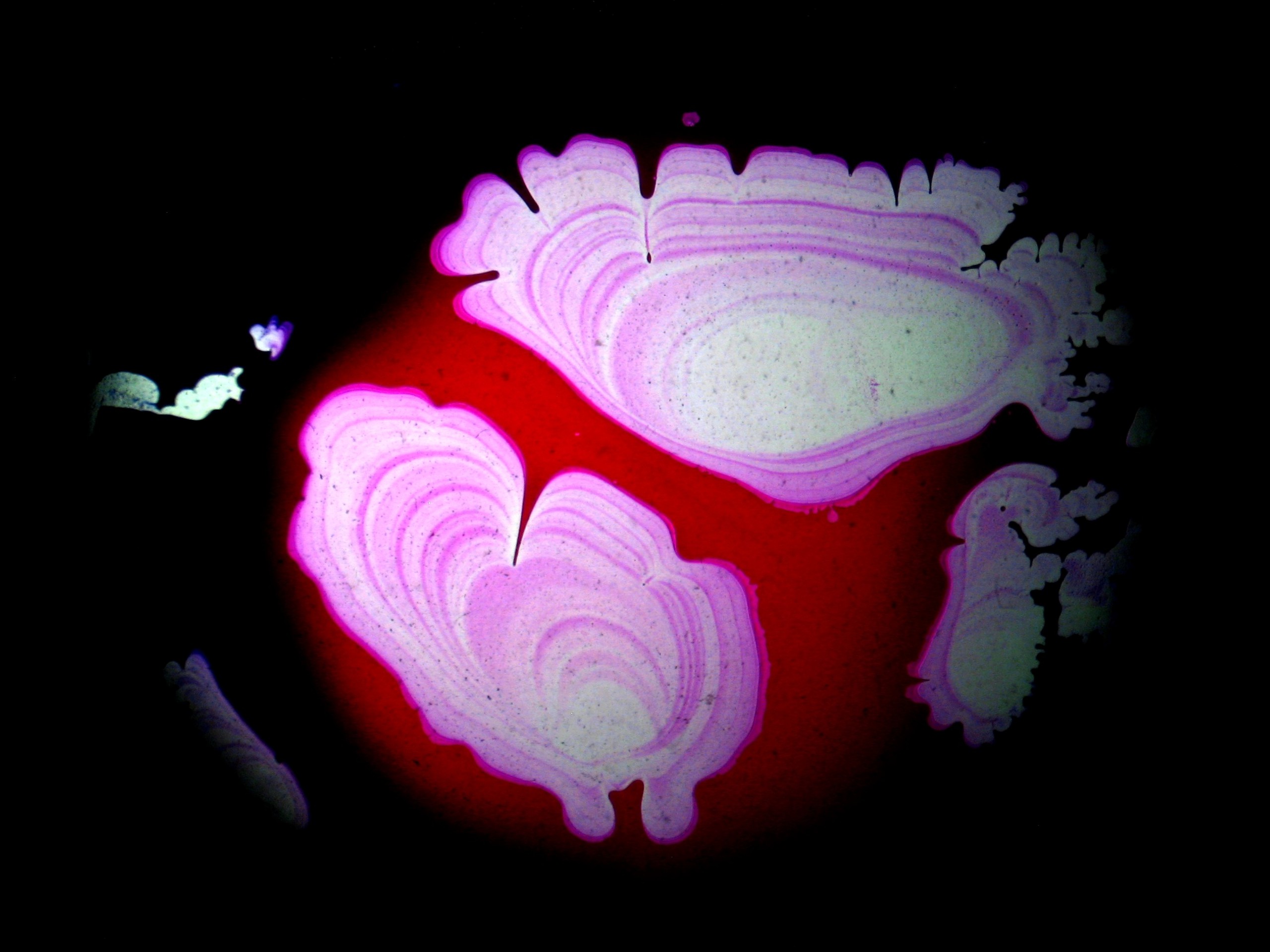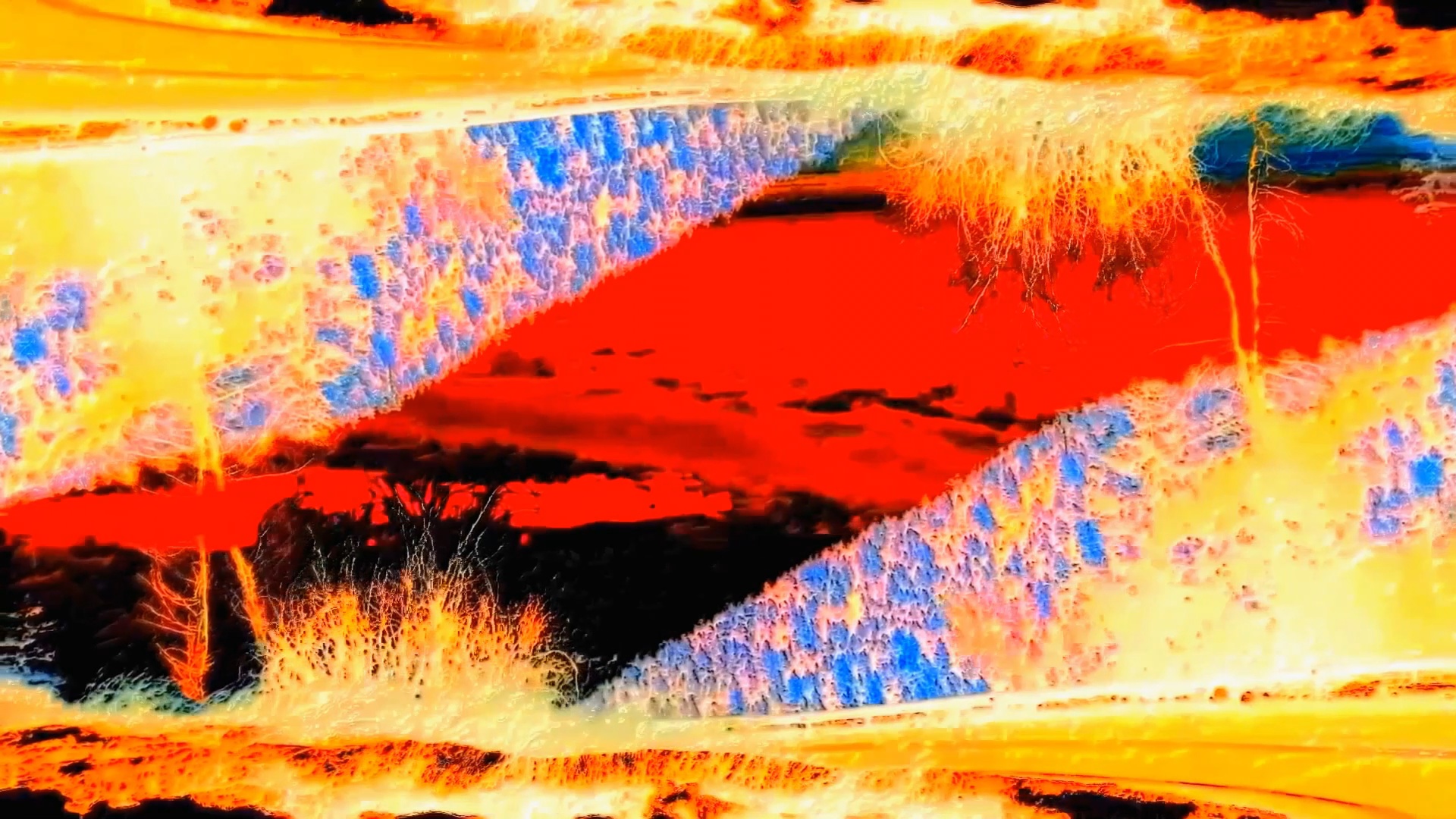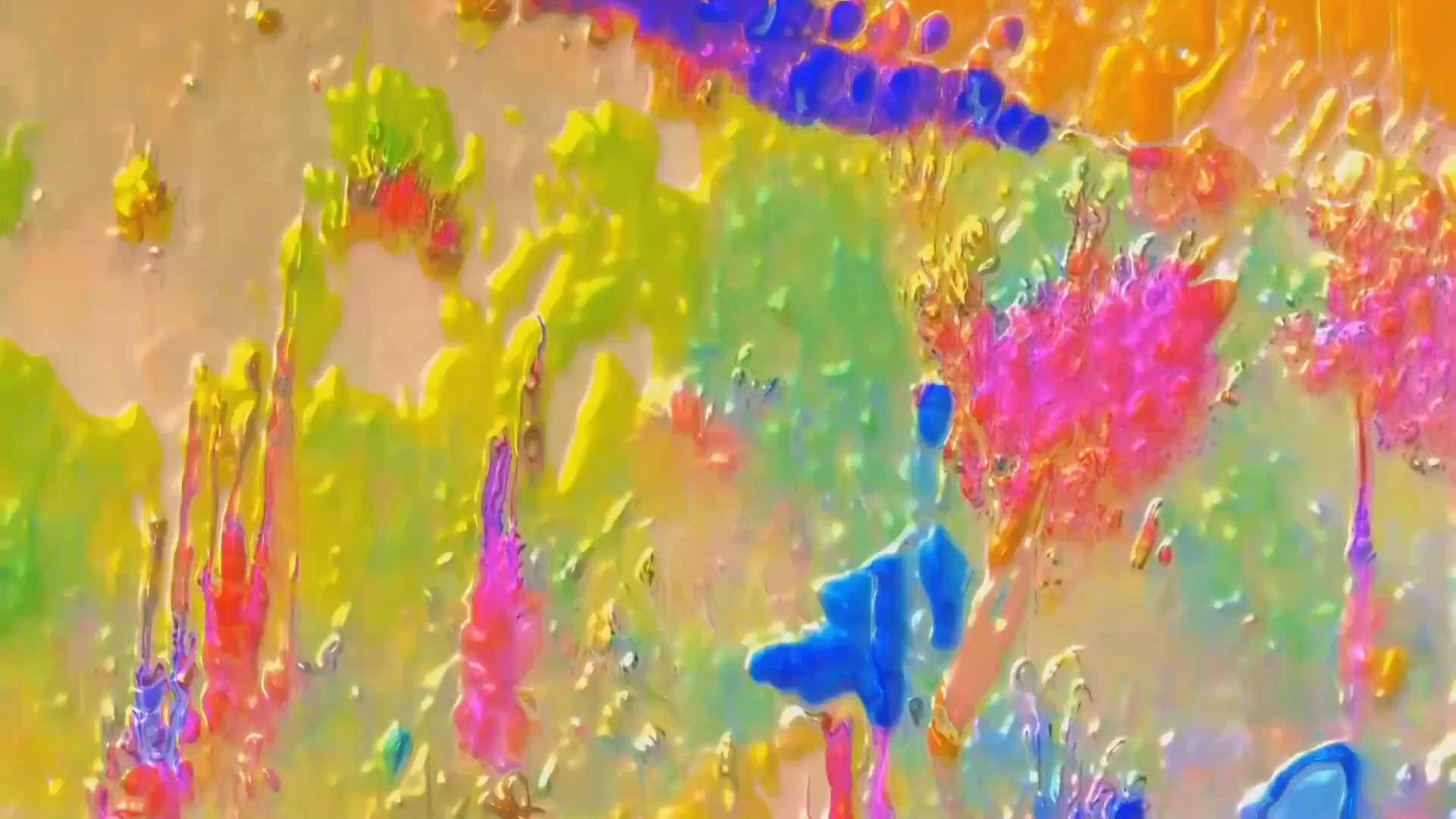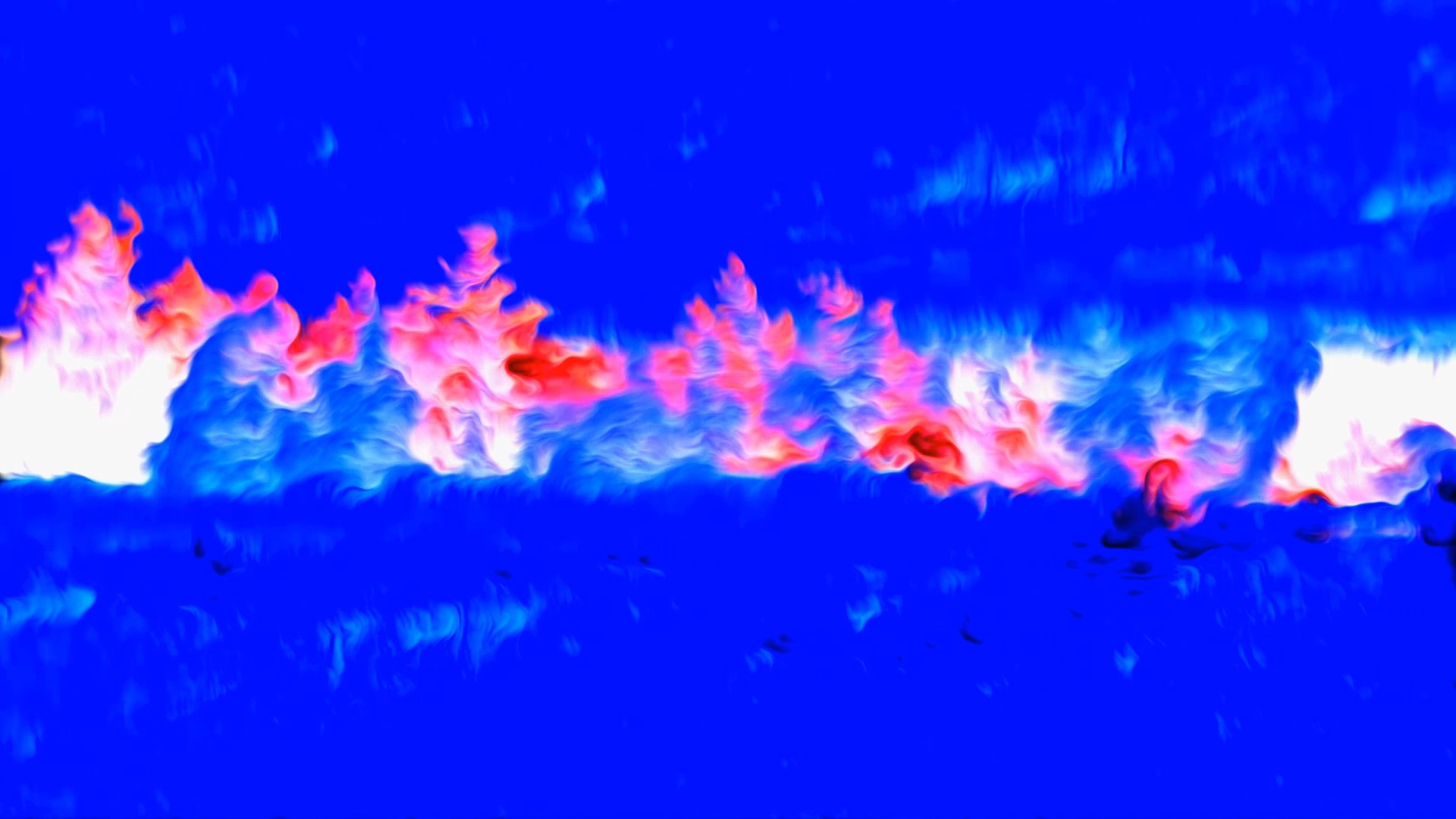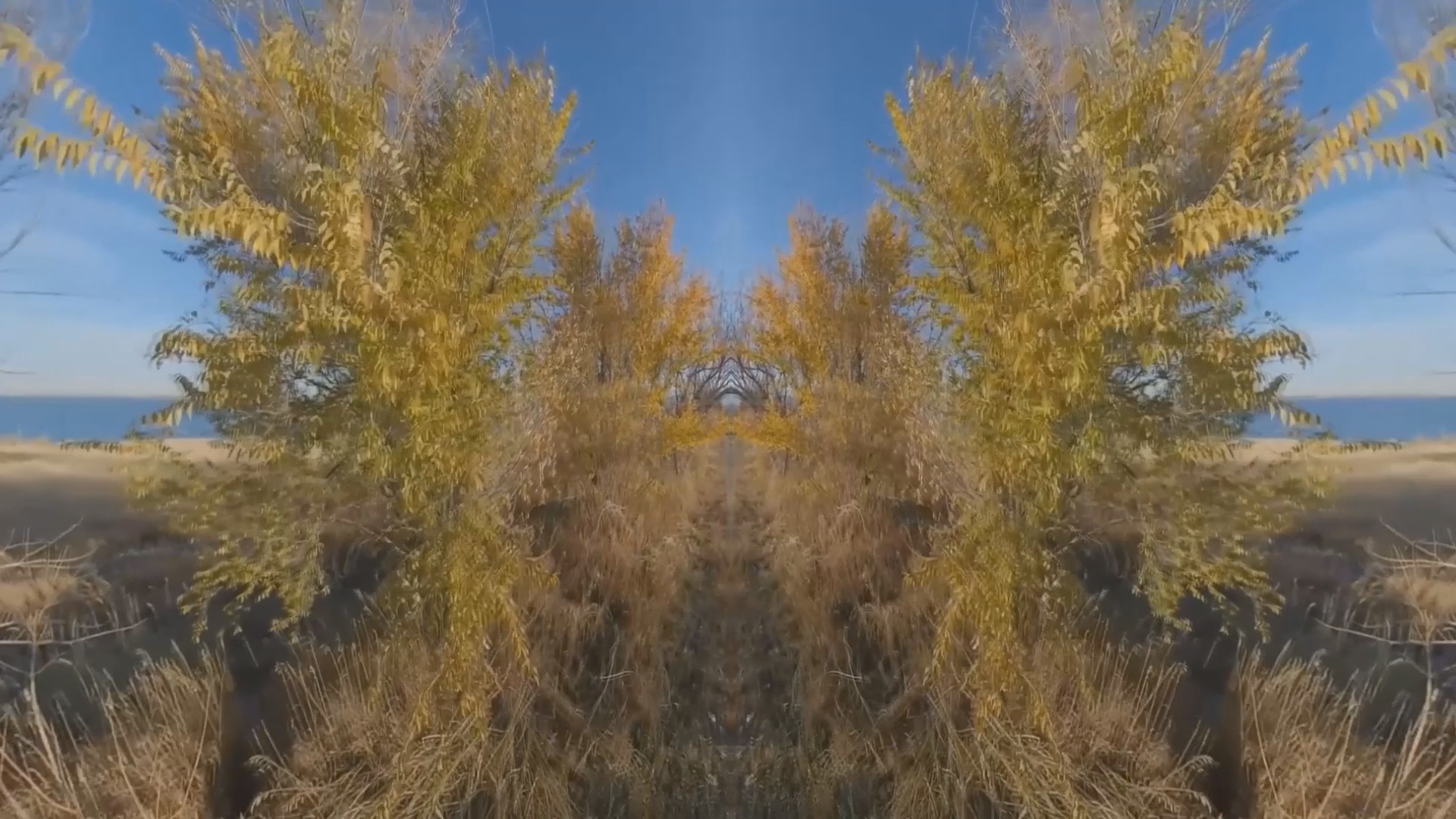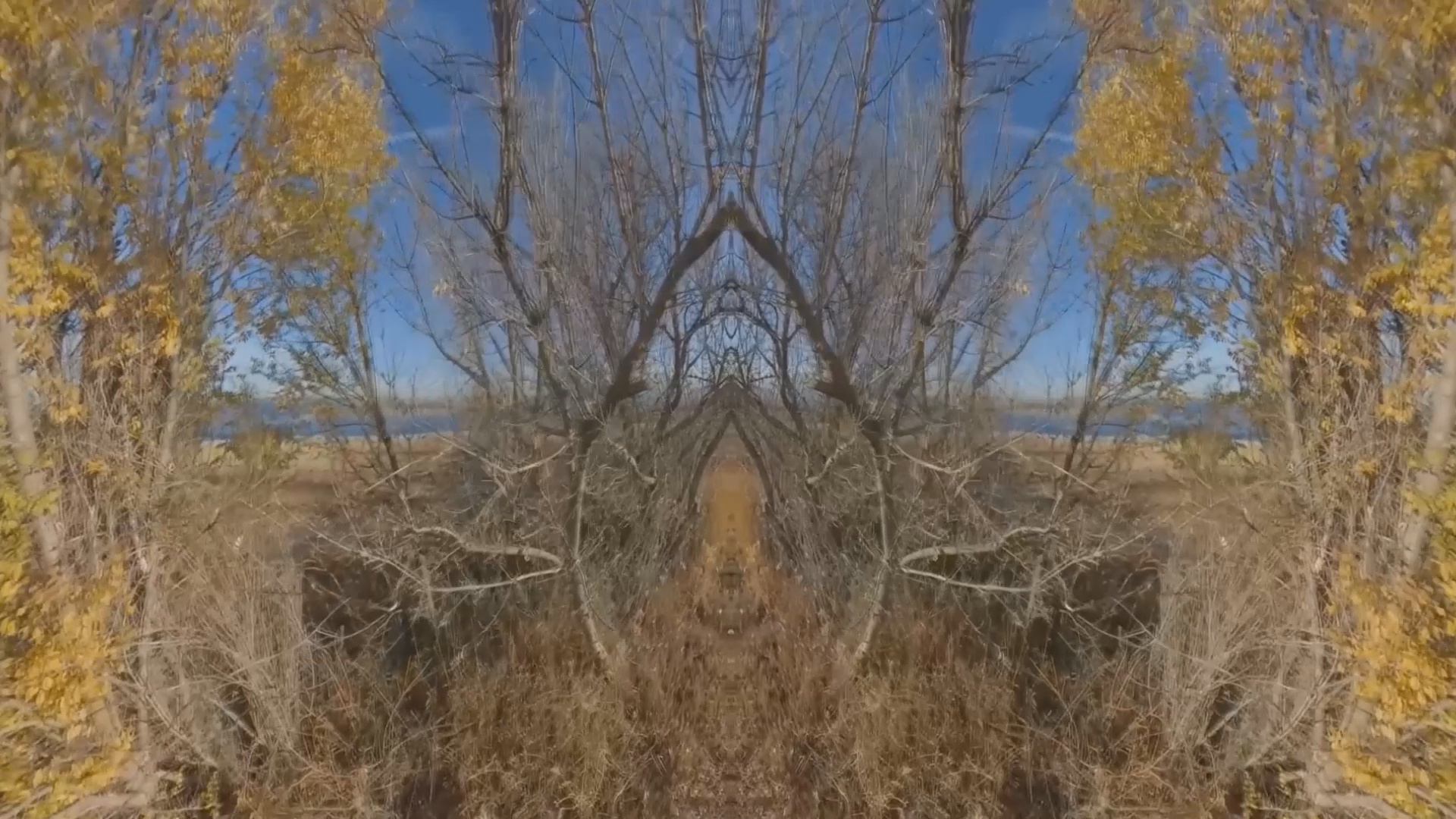
“Stained Grass” at Standley Lake in Westminster, CO

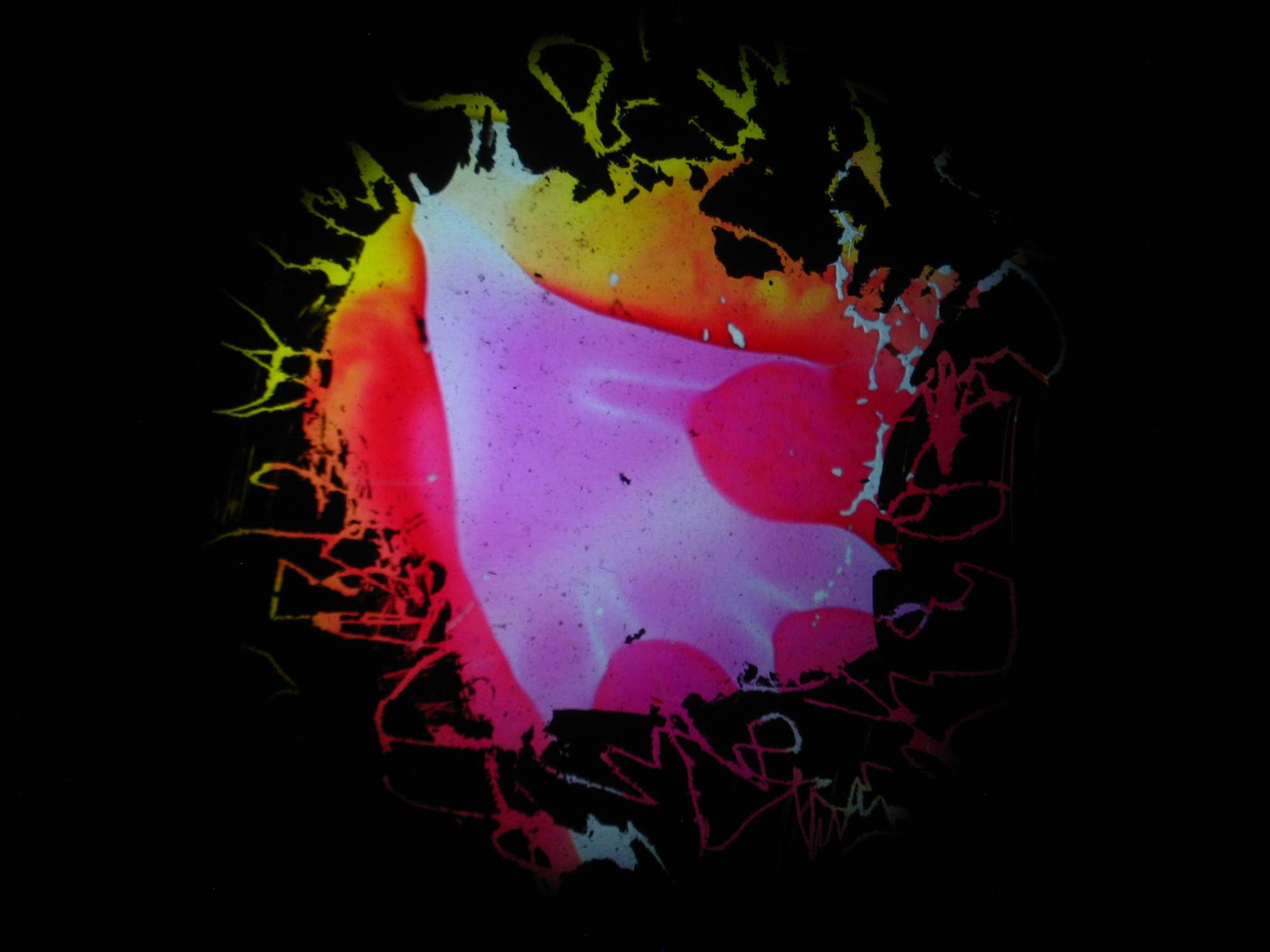
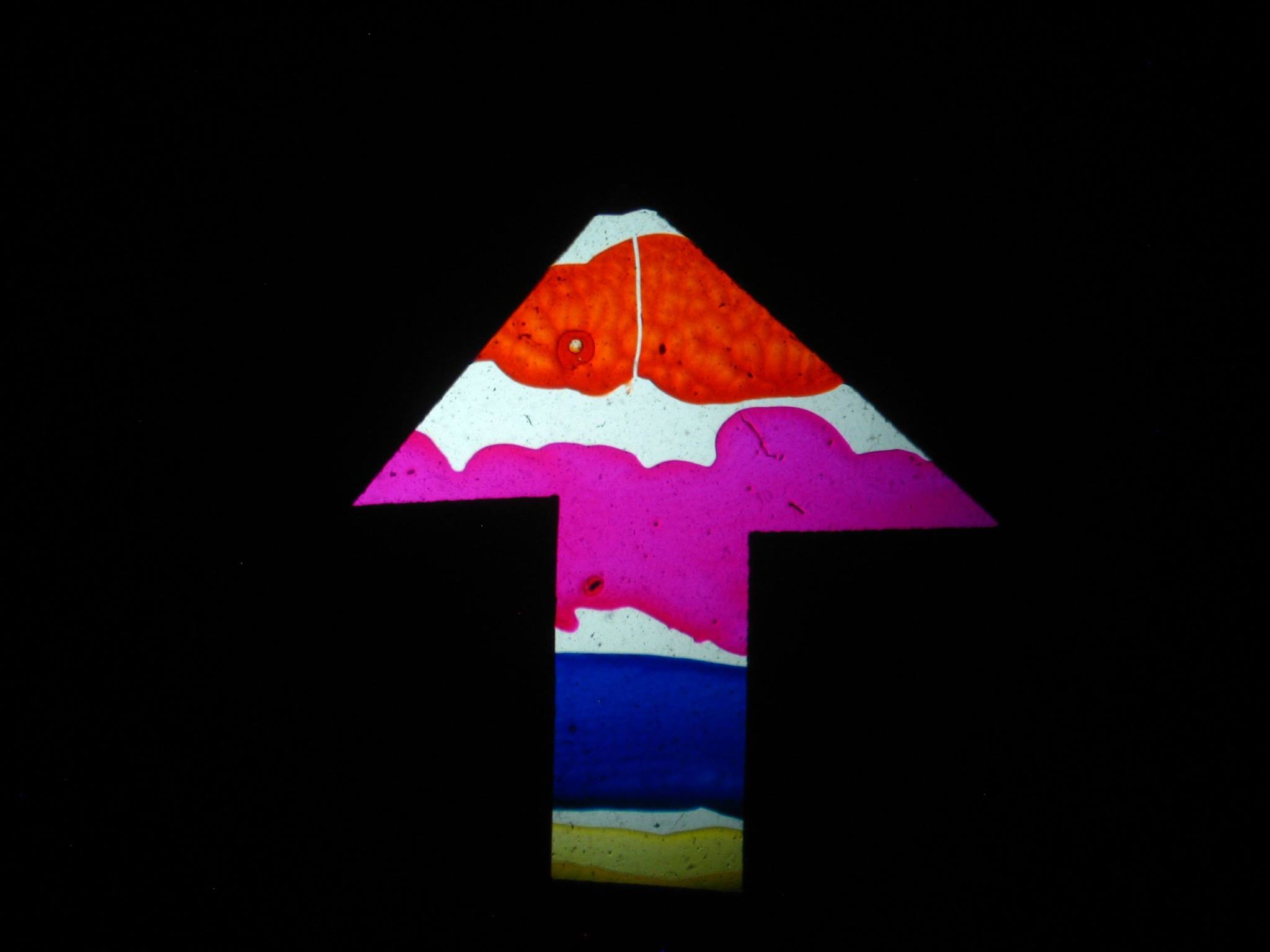
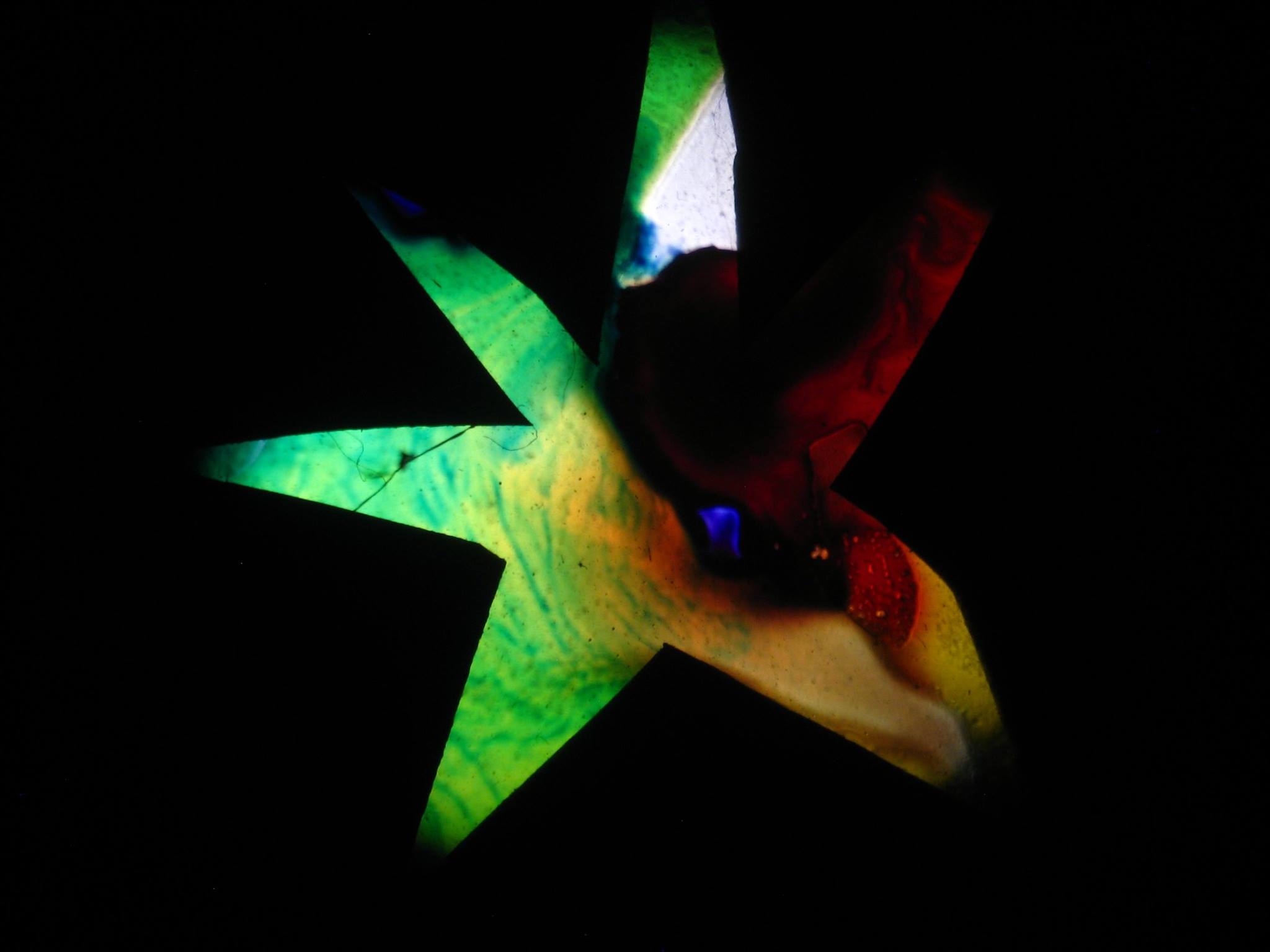
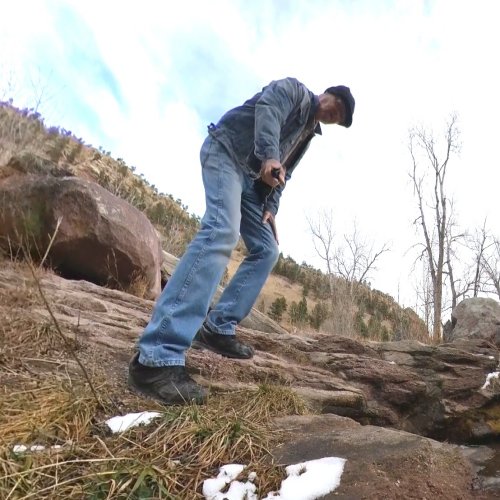
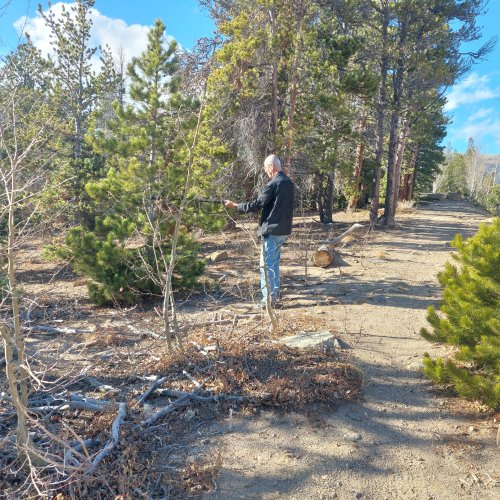
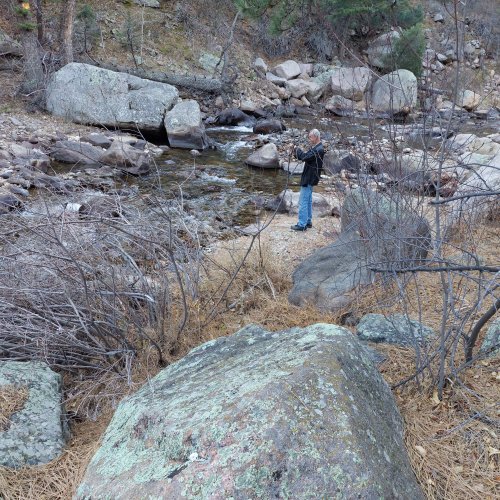
The photos below are  examples of some of the source material we use at Lumonics Immersed. They are still images from our projection. It begins with making videos while on our rides and hikes in Colorado: mountains, streams, forests, and roads. We then transform the imagery in production, and add an original soundtrack. We think of it as “alchemized nature films”. No AI is involved!

These photos of grasslands are stills from video we took at Standley Lake in Westminster, CO and “alchemized”. We call the photos “stained grass”, and will be in included in one of our video productions shown at Lumonics Immersed.

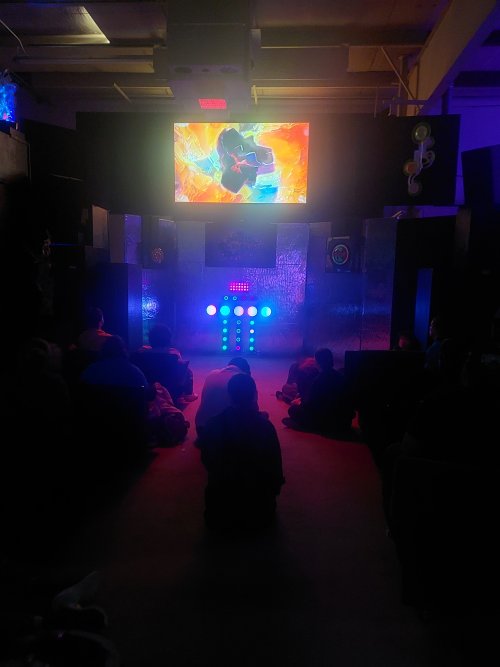
“Alchemized Nature Films” at Lumonics

The photos below are  examples of some of the source material we use at Lumonics Immersed. They are still images from our projection. It begins with making videos while on our rides and hikes in Colorado: mountains, streams, forests, and roads. We then transform the imagery in production, and add an original soundtrack. We think of it as “alchemized nature films”. No AI is involved!

From the Lumonics Archives: “The Light Fantastic” Exhibit

2010

Dorothy Tanner’s “The Light Fantastic” Exhibit at VERTIGO Art Space
on Santa Fe Drive in Denver

Top Photo: Signage
Bottom Photo: One section of the exhibit that faced Santa Fe Drive


I remember a lot of nose prints on the windows from people looking in, especially on First Friday! 

Here is a link to the whole exhibit on the Lumonics website:
www.lumonics.net/vertigo-art-center


Rediscovering Norman Zammitt, a 1960s Visionary of the Light and Space Movement (Artnet.com)

Archive photo of Norman Zammitt in the studio. Courtesy of Karma Gallery


Excerpts from the Article by Annikka Olsen, Galleries Editor (Artnet):

“Roughly 60 years since Zammitt’s first exhibition in New York, a new solo show at Karma gallery brings to light two of the artist’s most significant bodies of work.

American art in the 20th century was dominated by the New York art scene—think Minimalism, Abstract Expressionism, Pop art—but in the mid-1960s, a then little-known movement originating in Southern California began to gain broader critical attention: Light and Space.

Formed by a loosely associated group of artists, the Light and Space movement reflected a preoccupation with visual perception, as well as penchant for material experimentation. While artists like Larry Bell, Robert Irwin, and James Turrell have become some of the best-known of the movement with their large-scale installations and unconventional use of both artificial and natural light, artist Norman Zammitt, who died in 2007, was a pioneering colorist whose work reflected the core ethos of the Light and Space. It was less a style than an experience, a kind of art that dissolved boundaries and asked viewers to step into a world of perception itself. This was Light and Space: a sensorial field that expanded art beyond canvas and object into the realm of atmosphere and phenomena.”
https://news.artnet.com/art-world/norman-zammitt-a-degree-of-light-2691338

__________________

Barry Raphael, co-archivist of Lumonics:

Mel and Dorothy Tanner, the founders of Lumonics, began their work with light in Miami in the mid1960s, at the same time as the Light and Space movement got under way yet were not familiar with it. The Movement didn’t receive its name until an exhibit in the early 1970s.  In 1969, the Tanners opened their light and sound theatre named AfterImage. The components were their light sculptures, music, projection, and electronics. In 1970, it was renamed Lumonics, which also became the name for the artform. 

Mel and Dorothy Tanner (Wikipedia)

Light and Space Blog