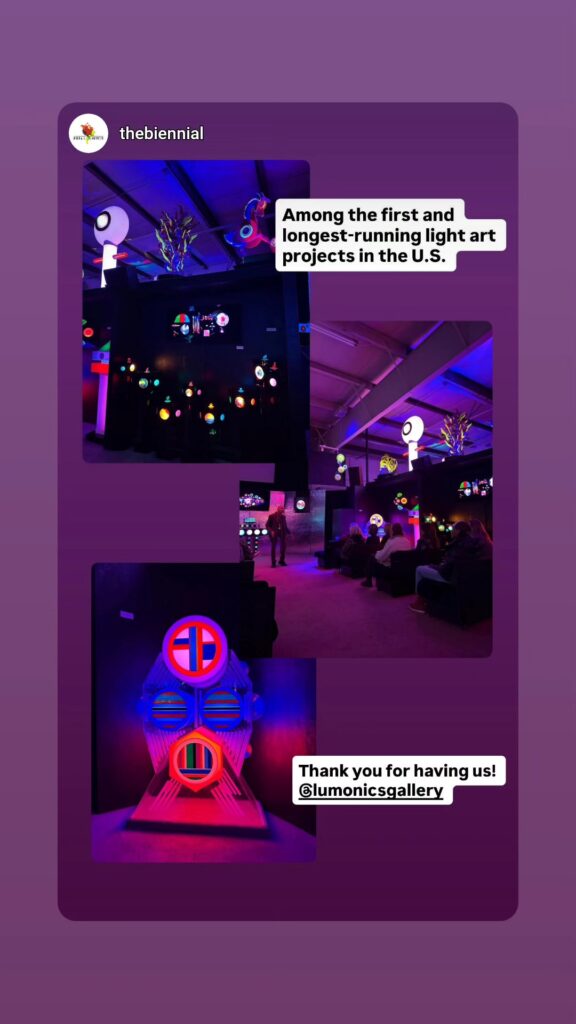
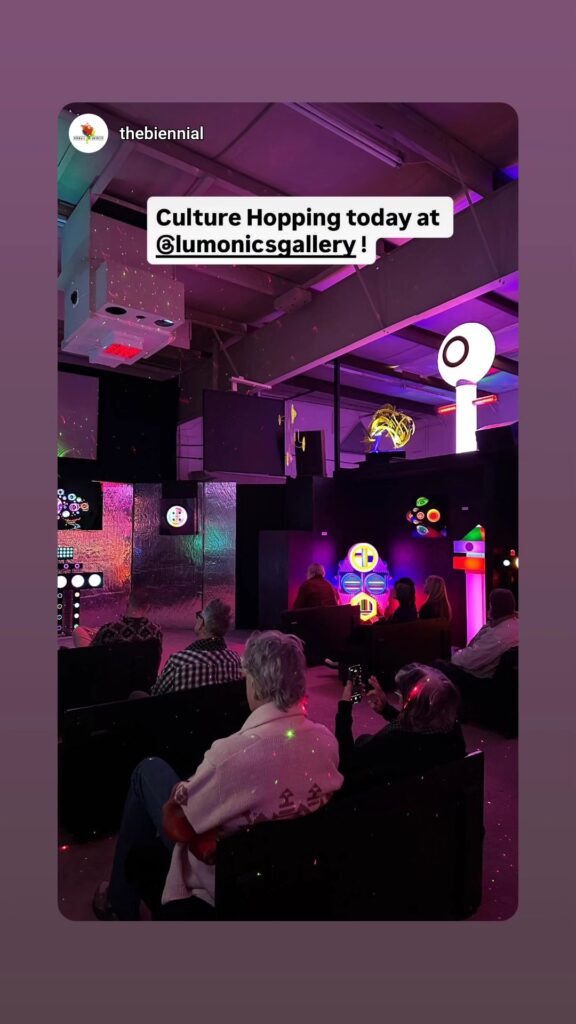
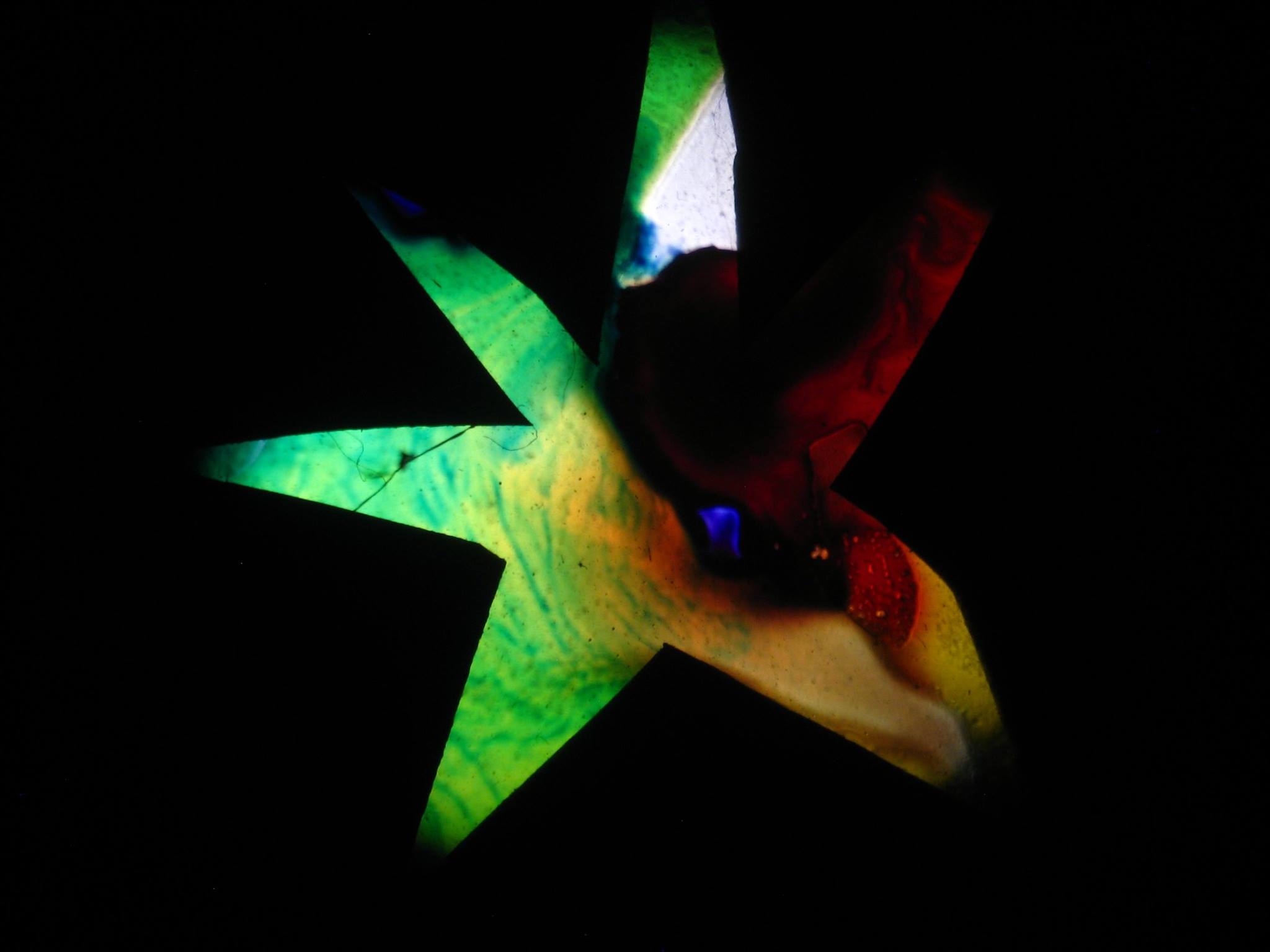
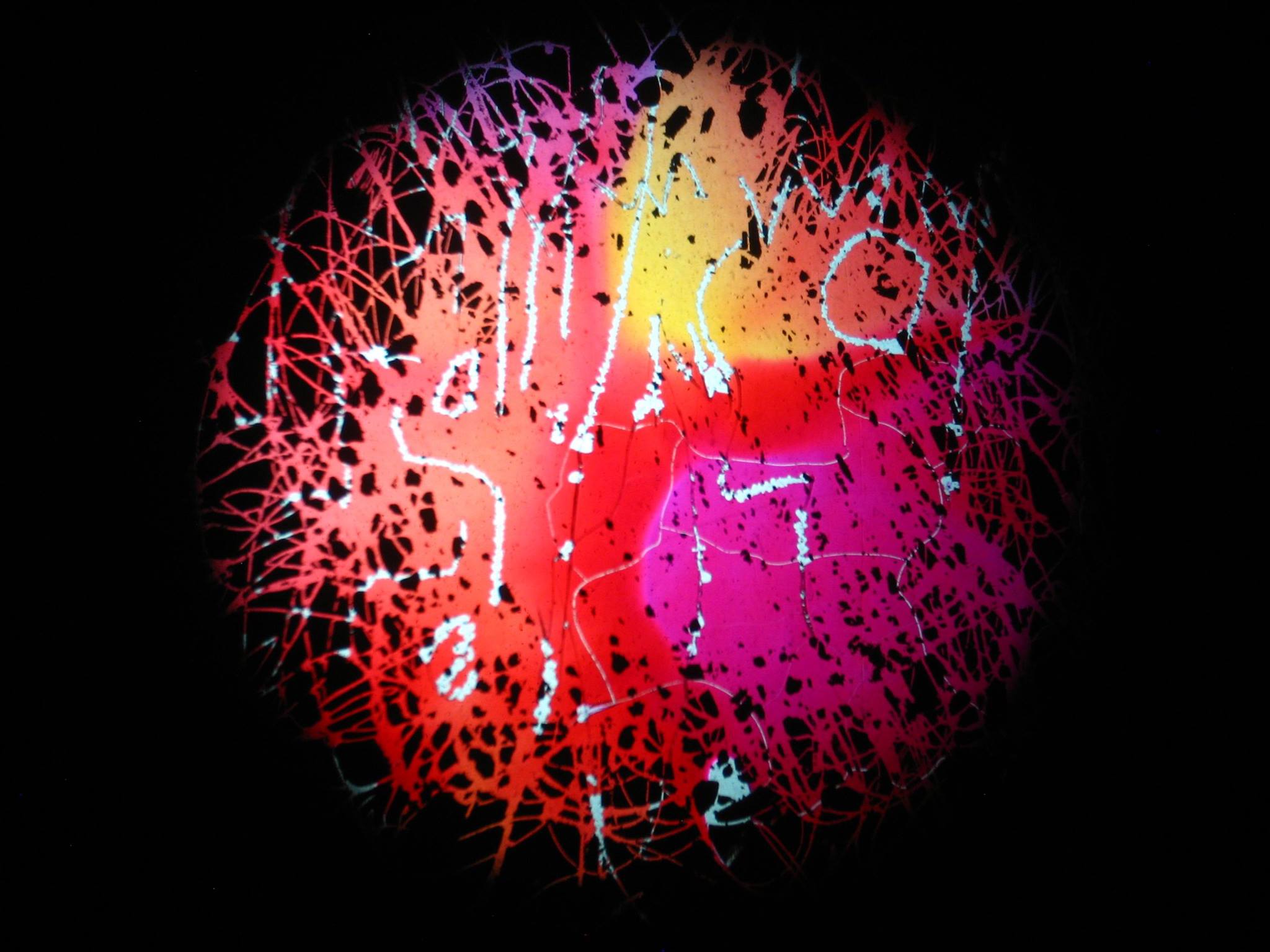
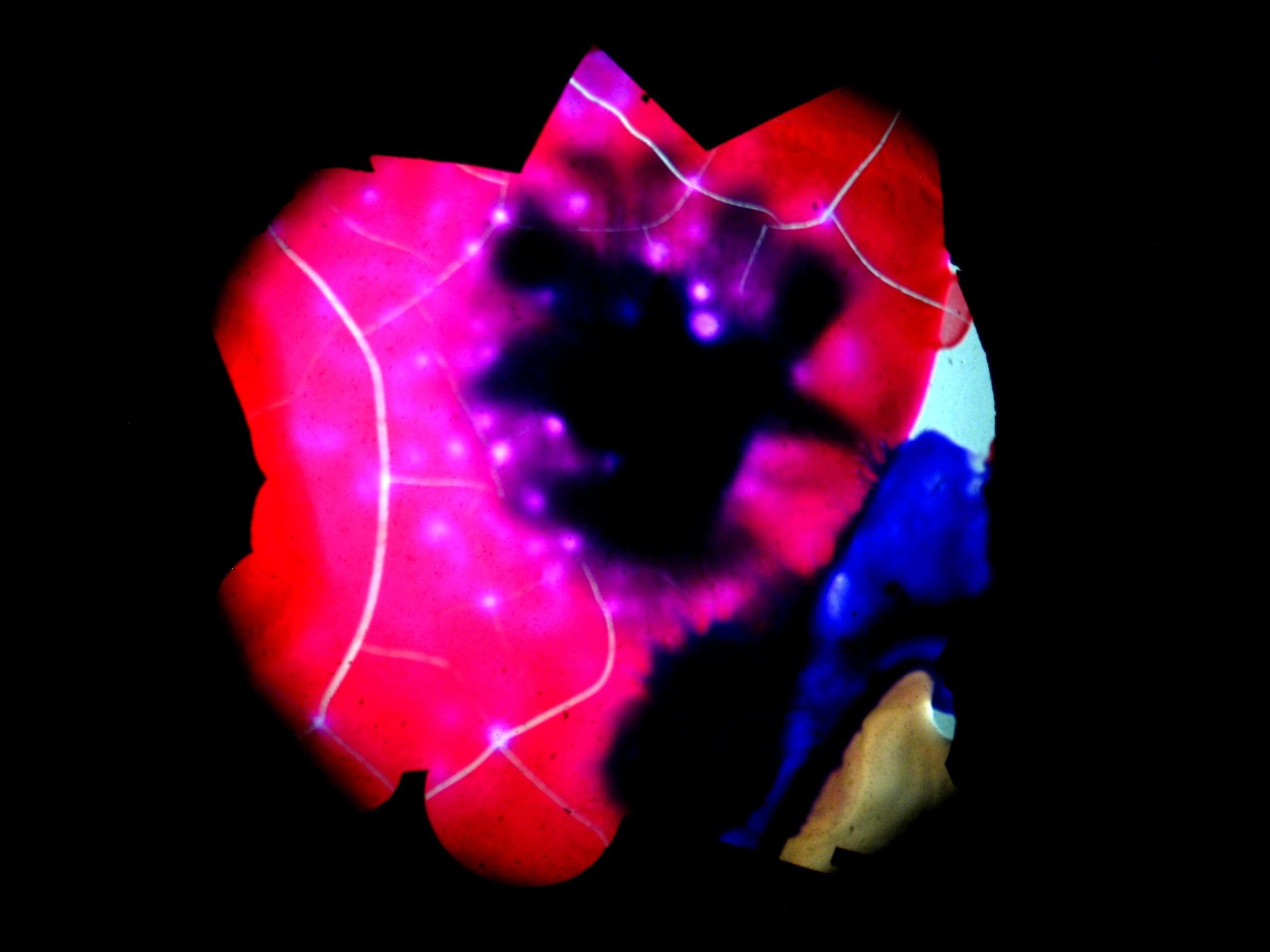
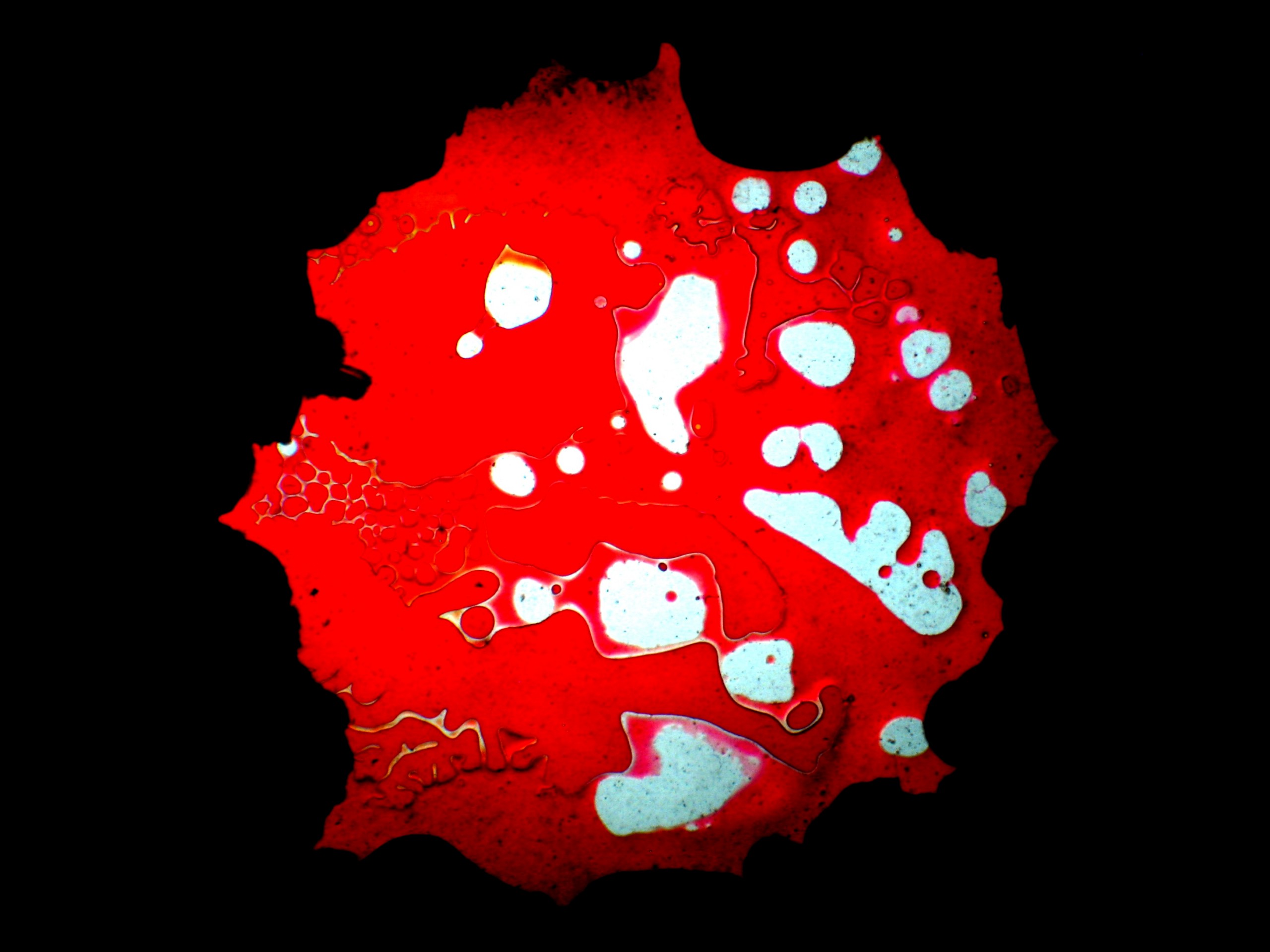
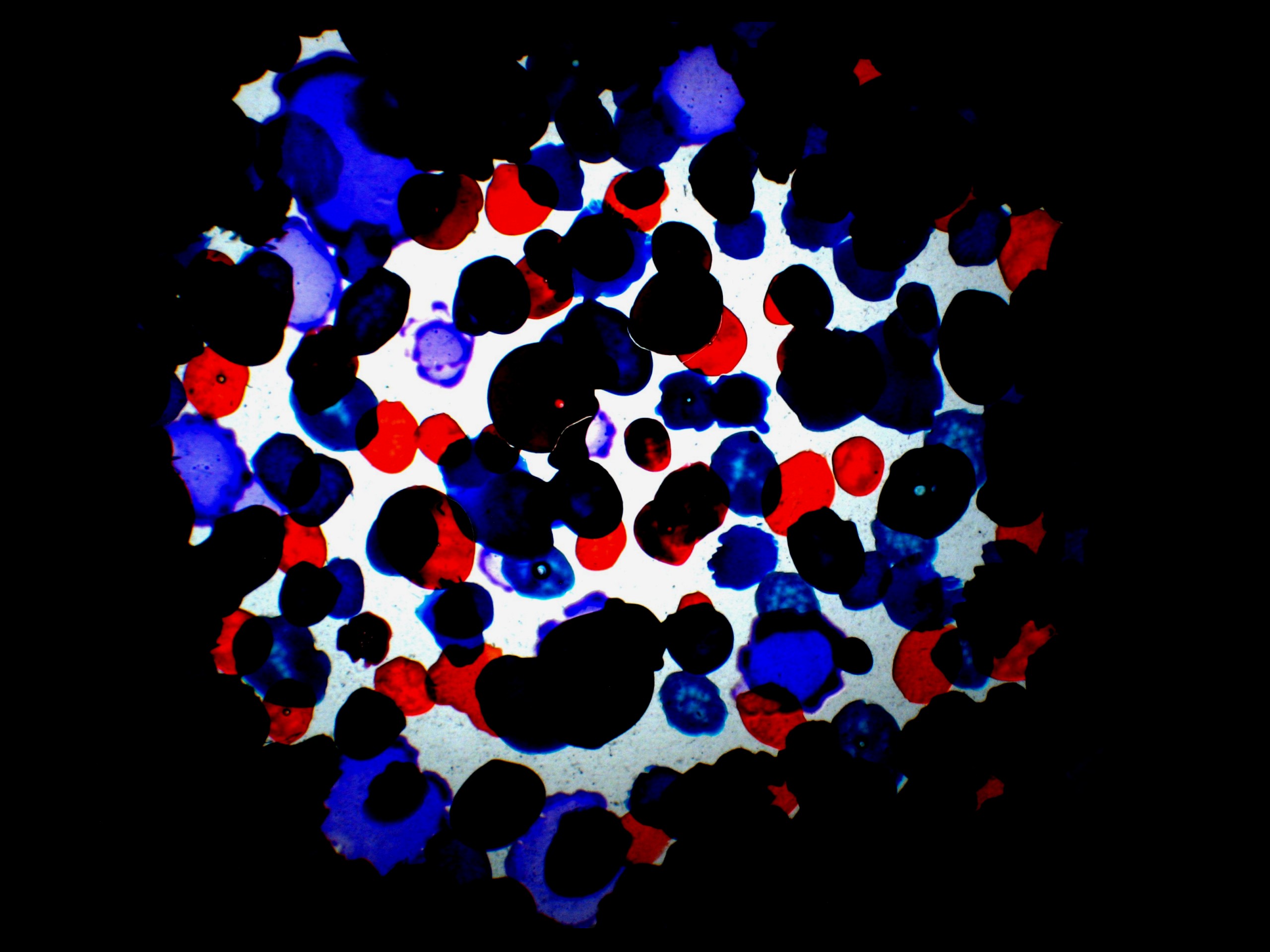
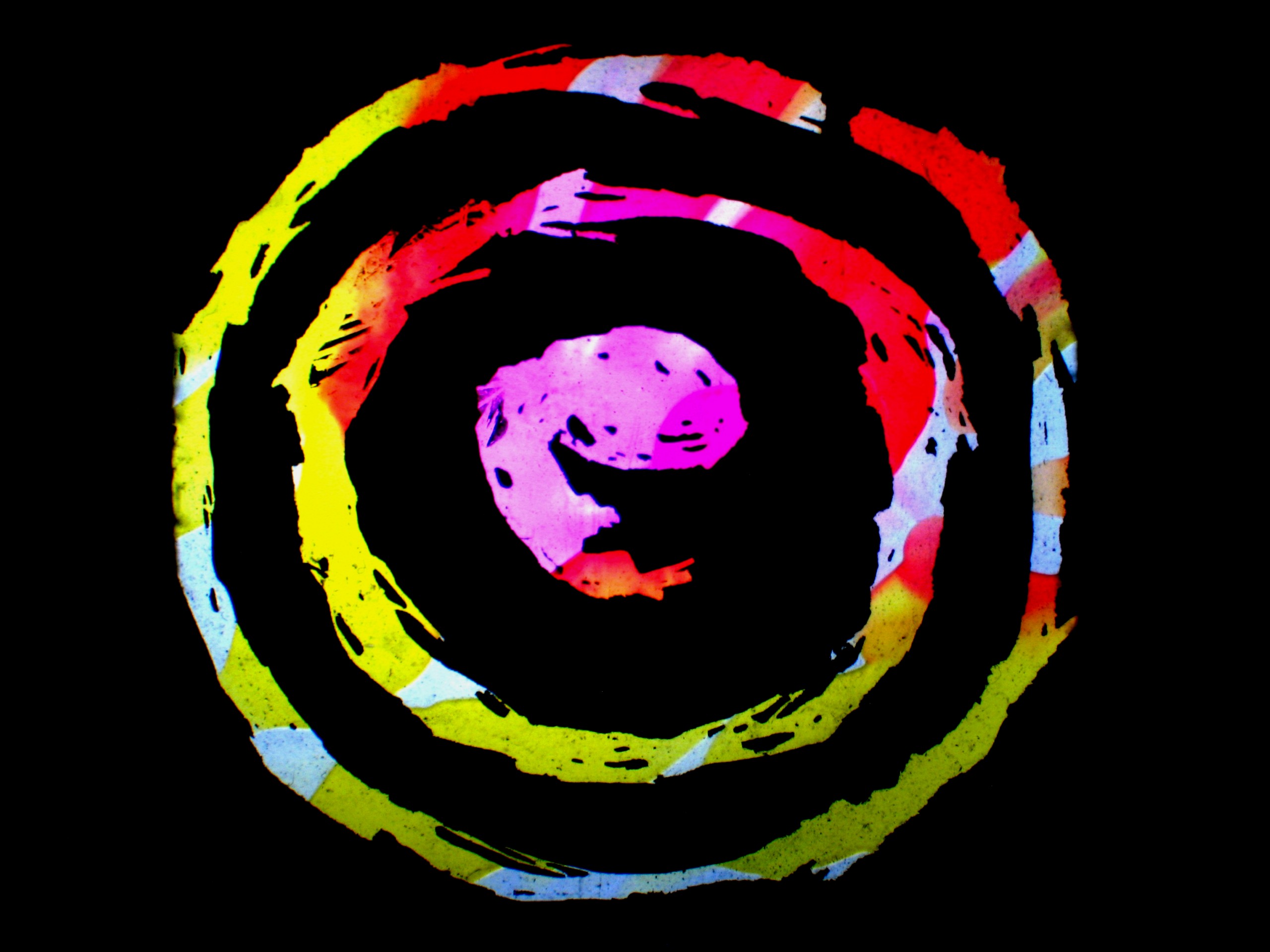
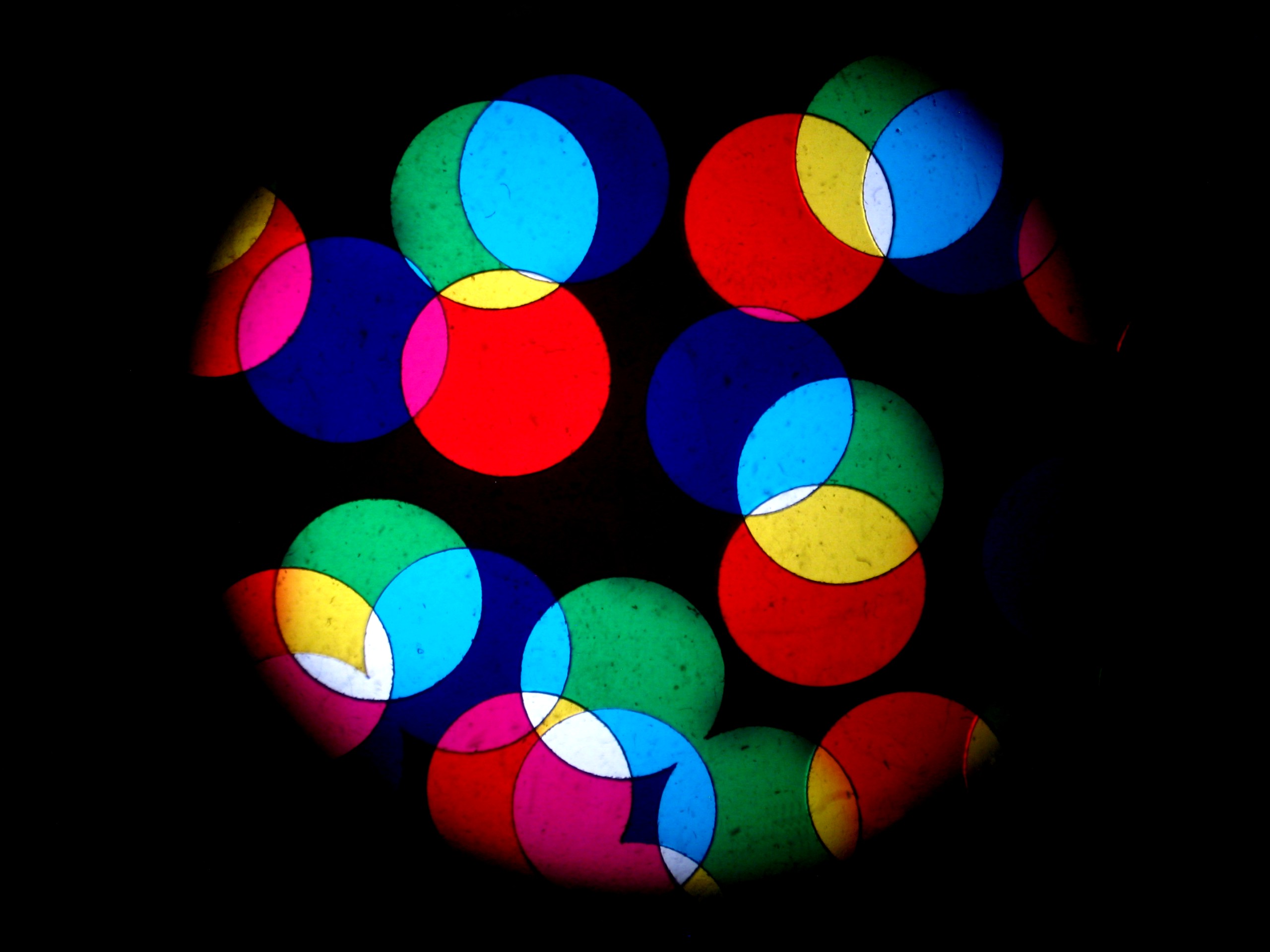
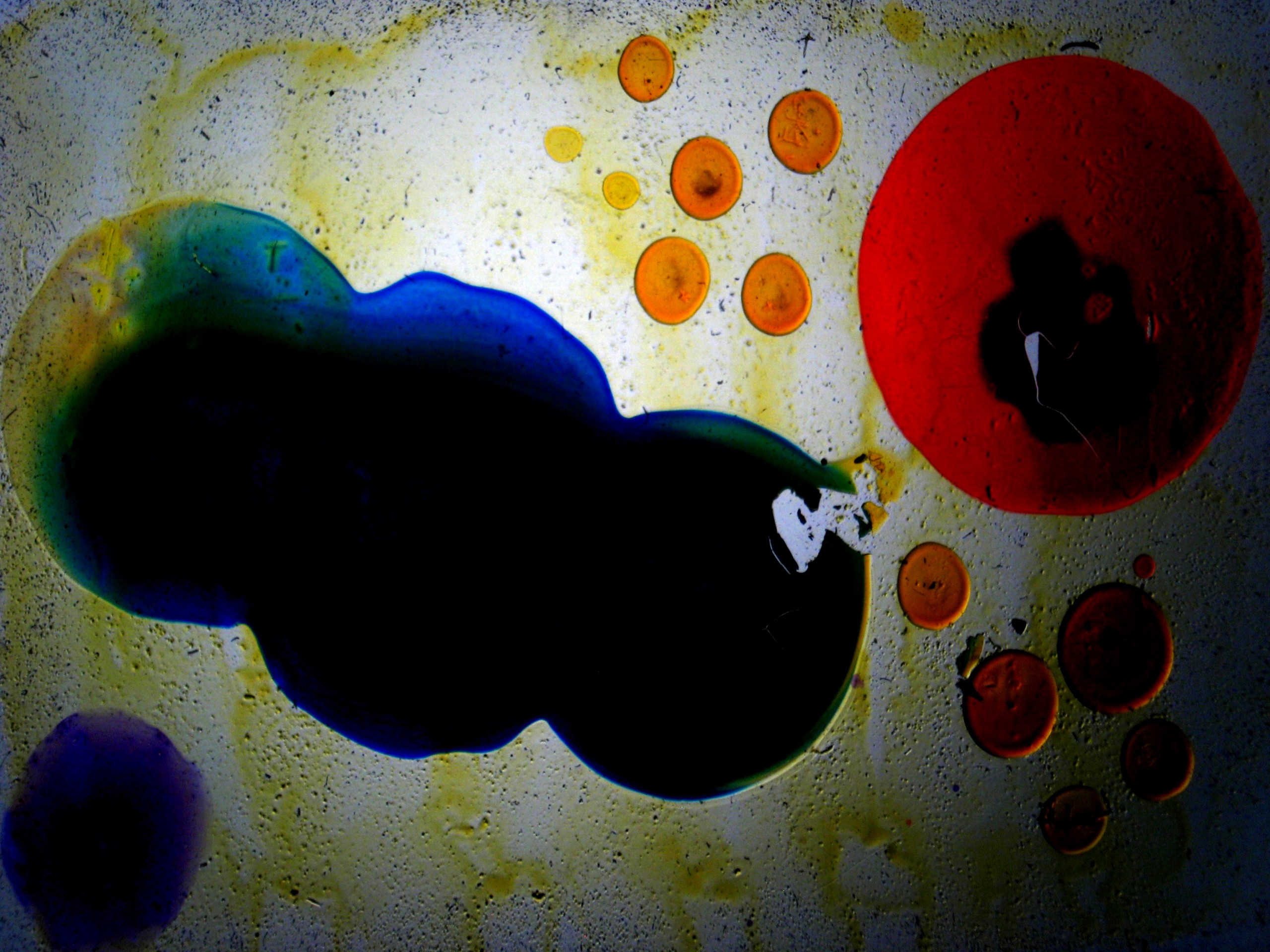
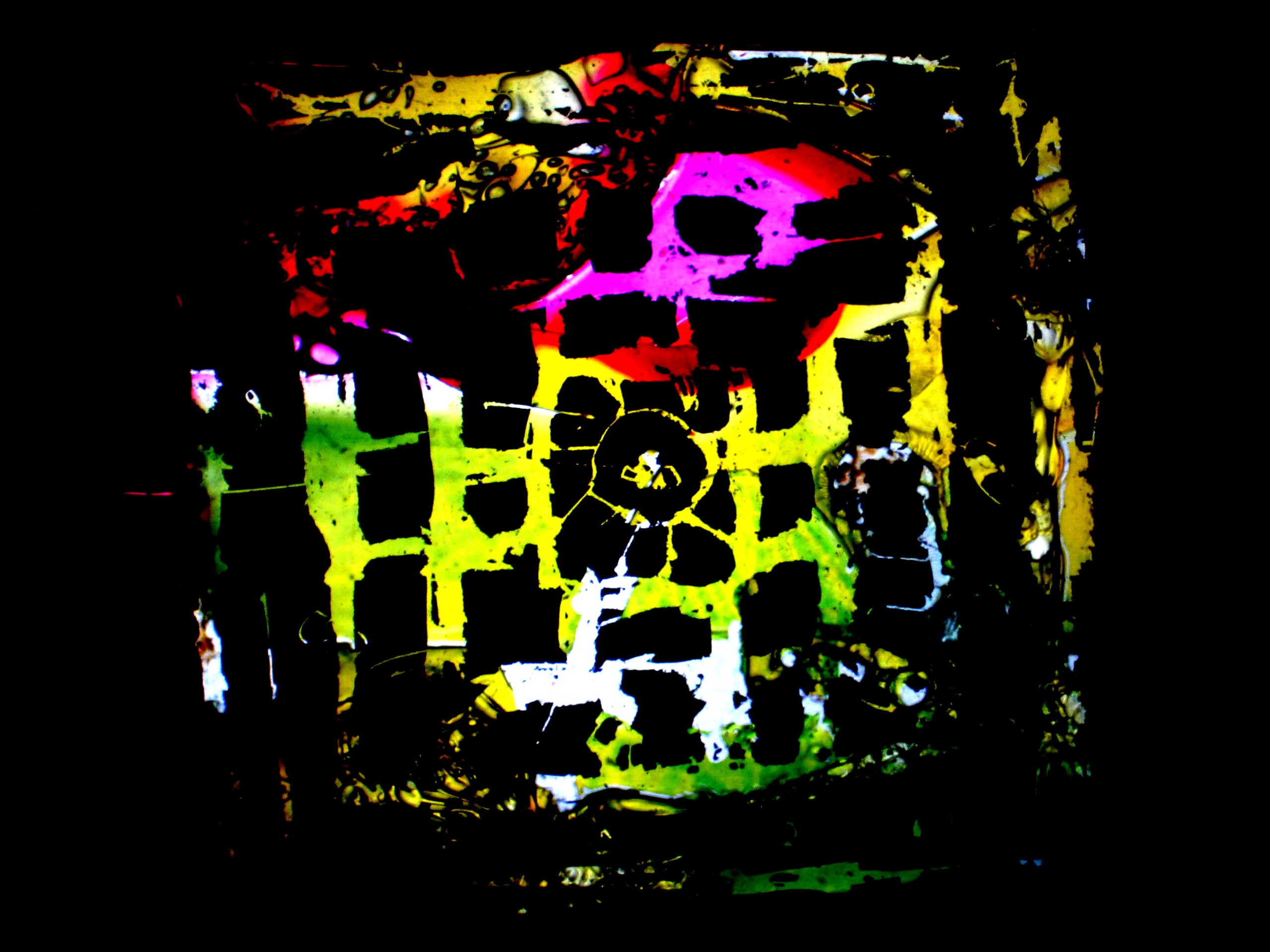
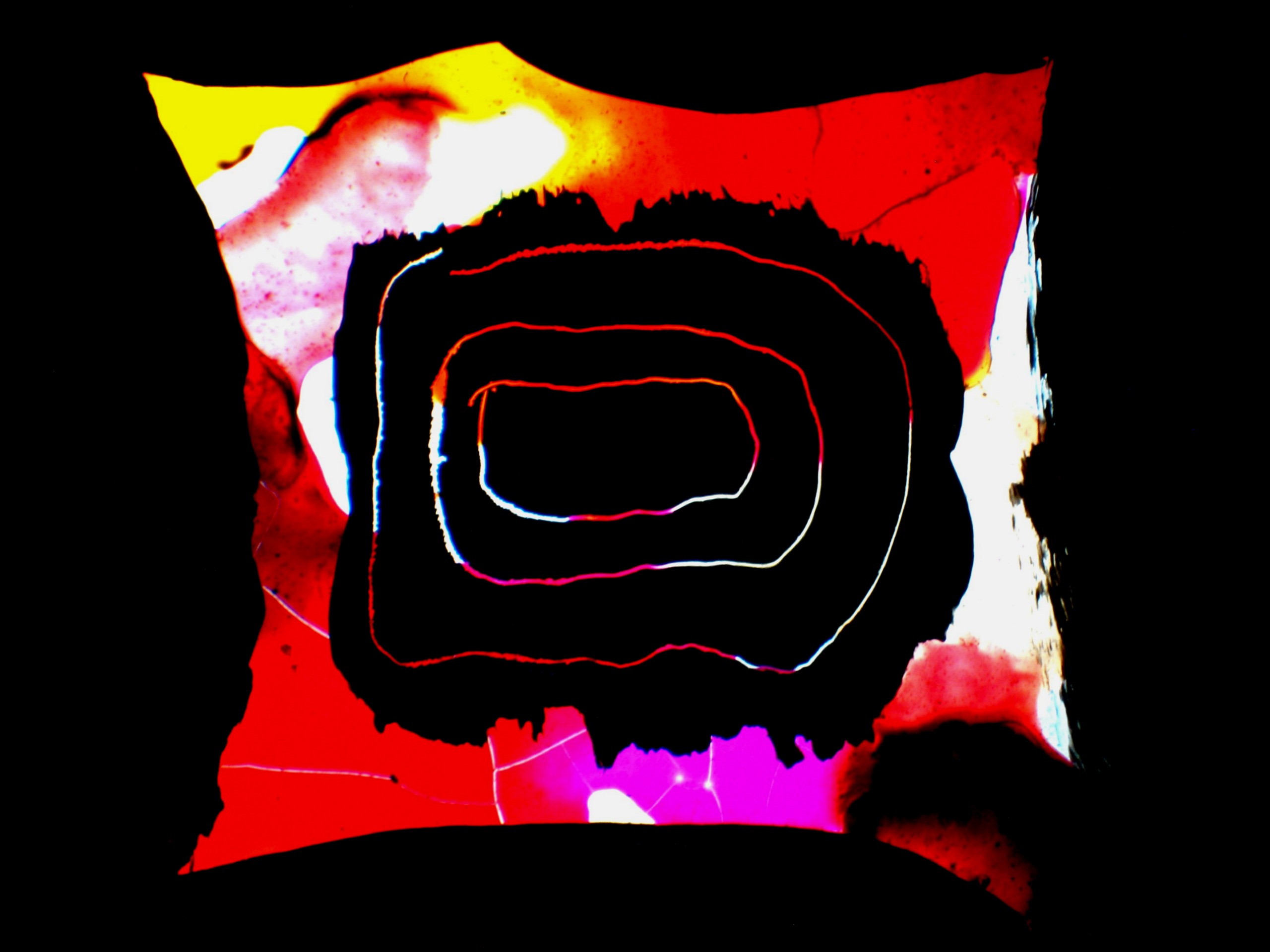
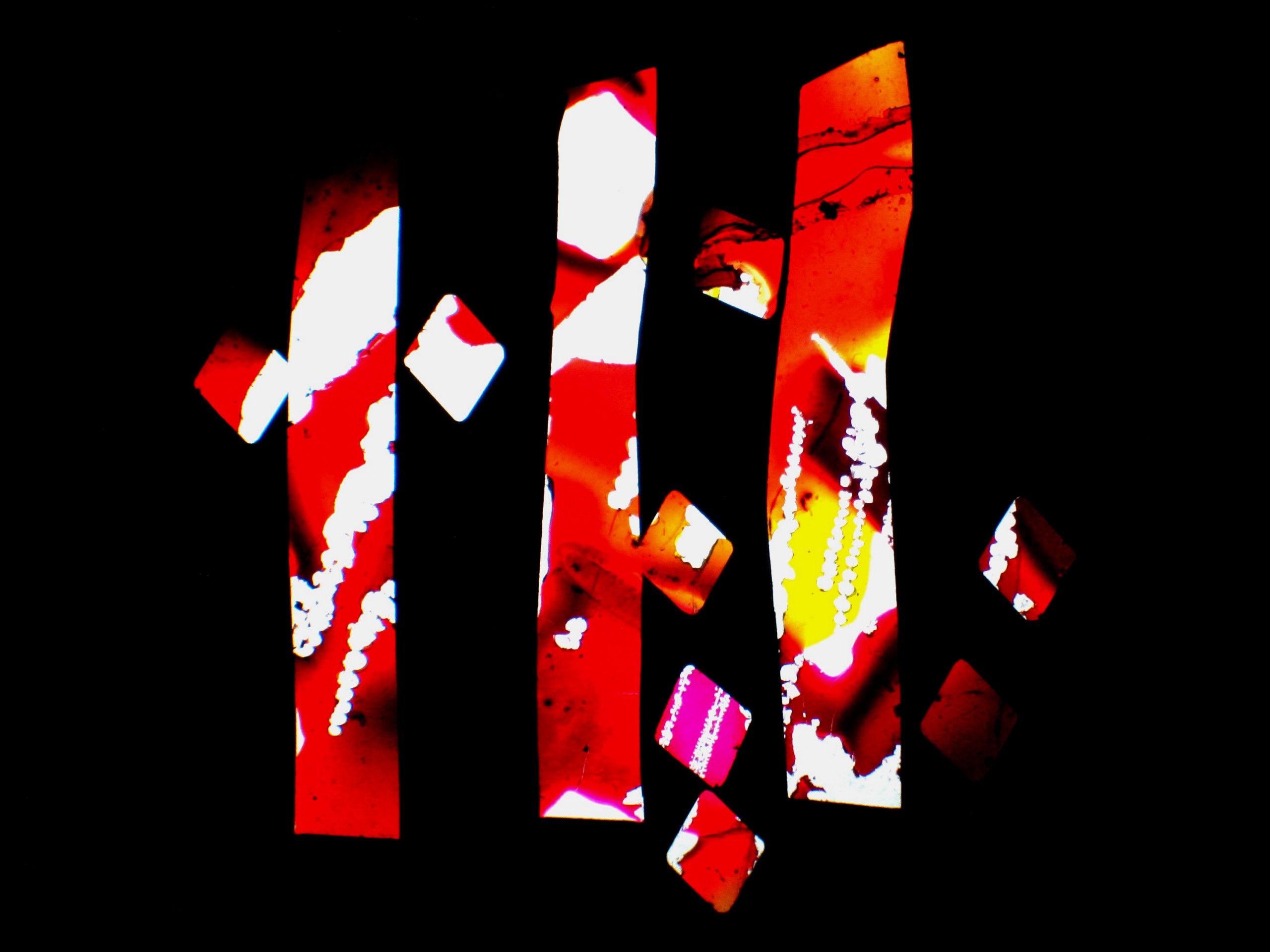
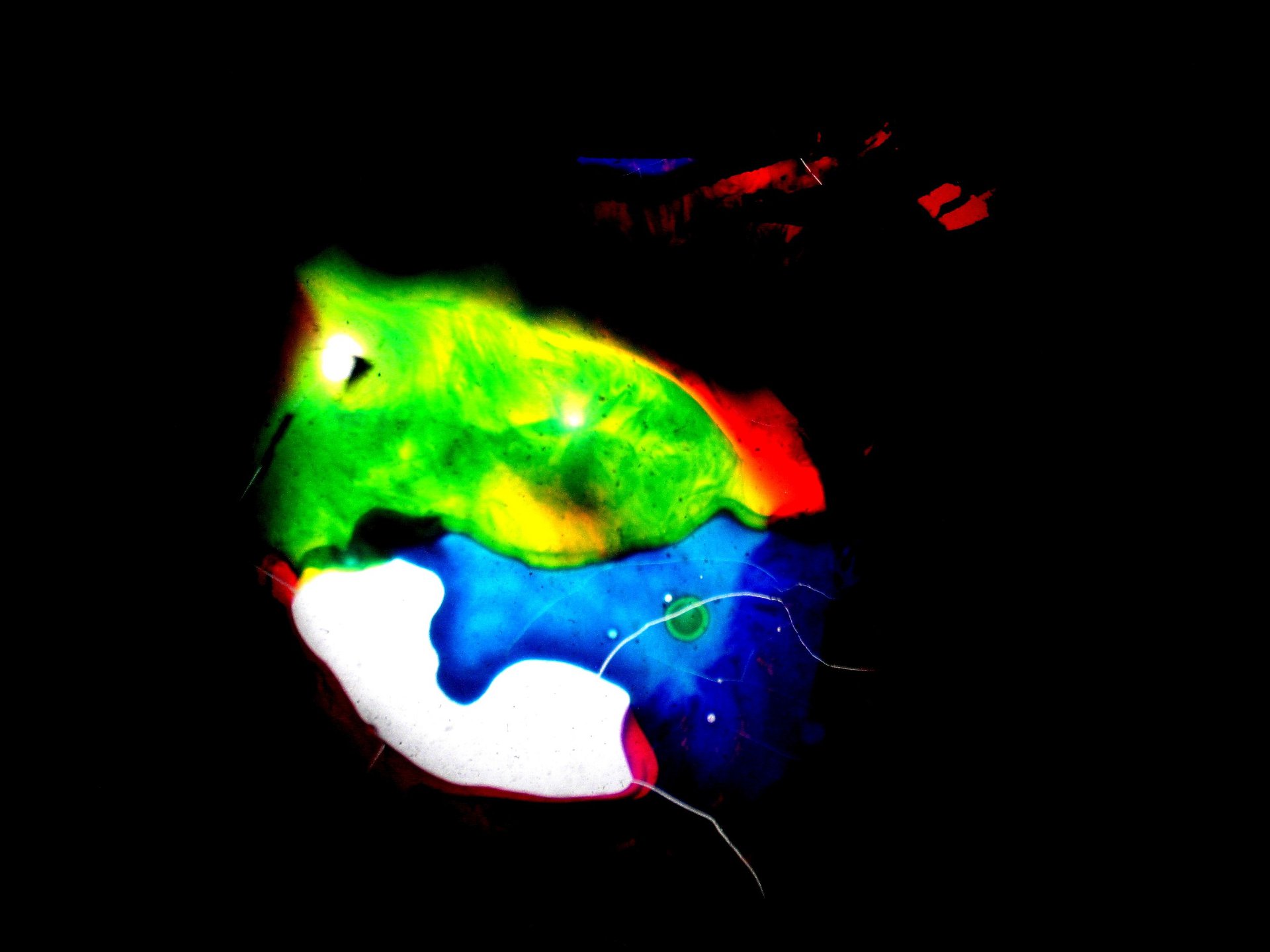
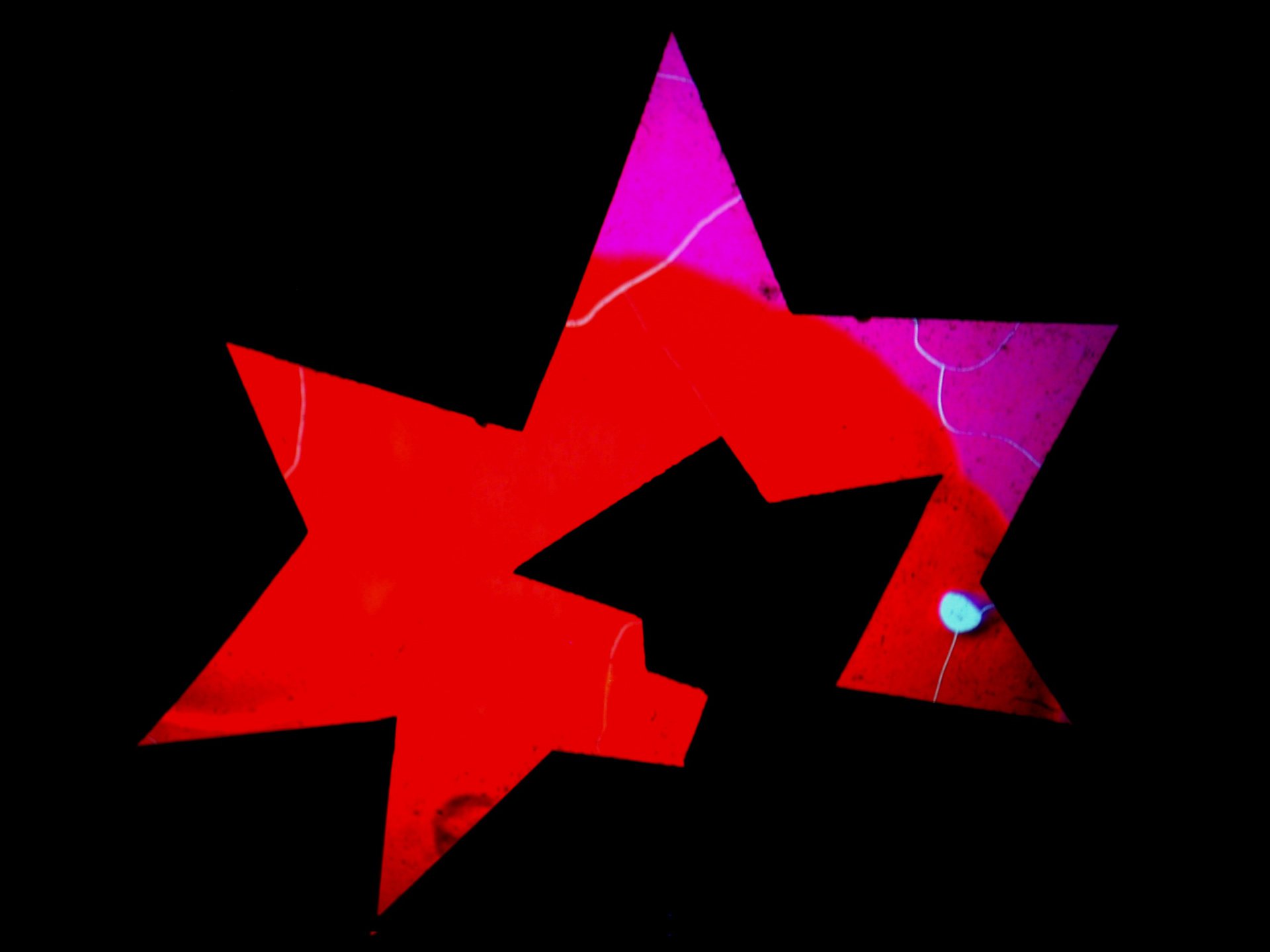
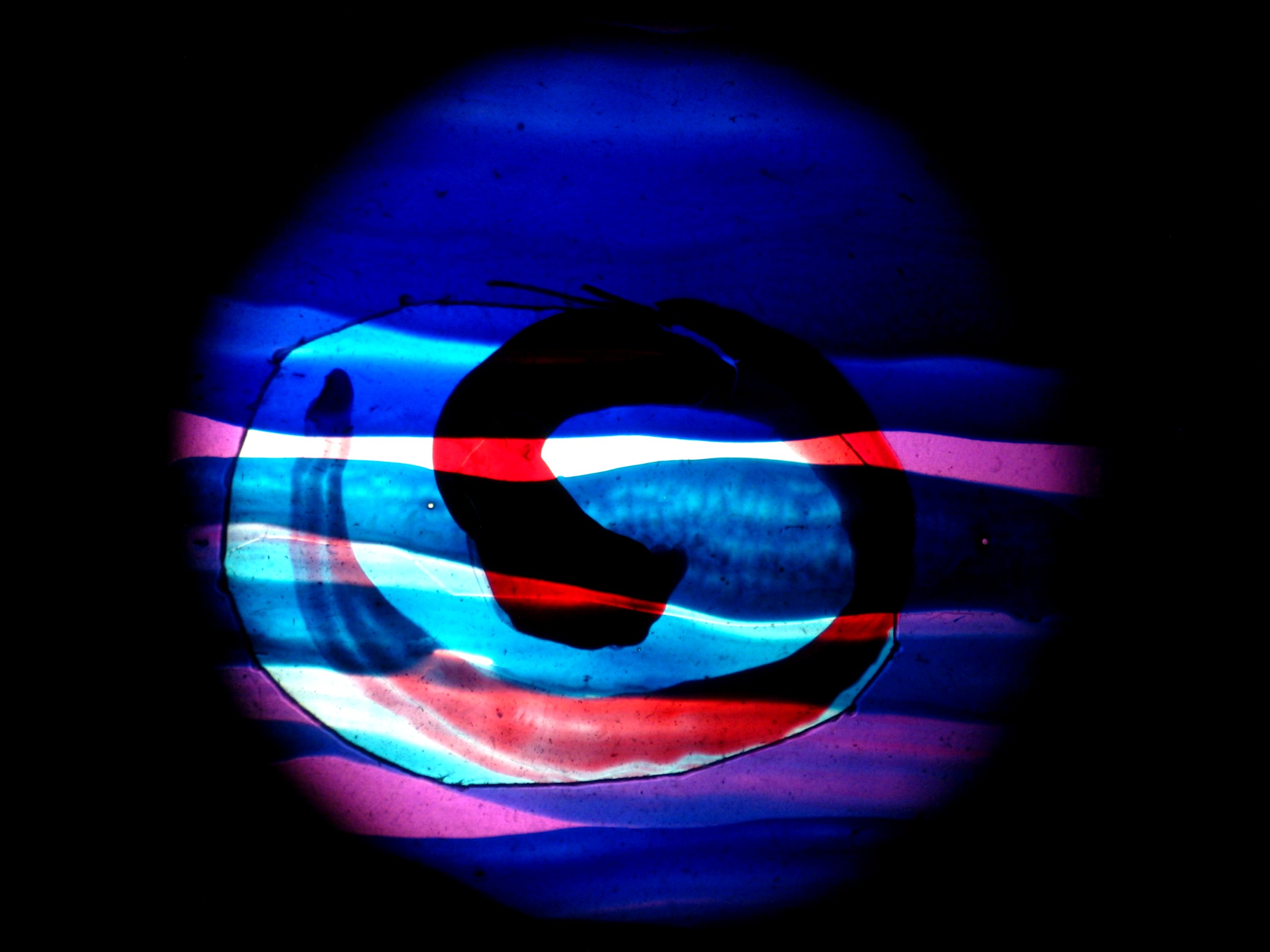
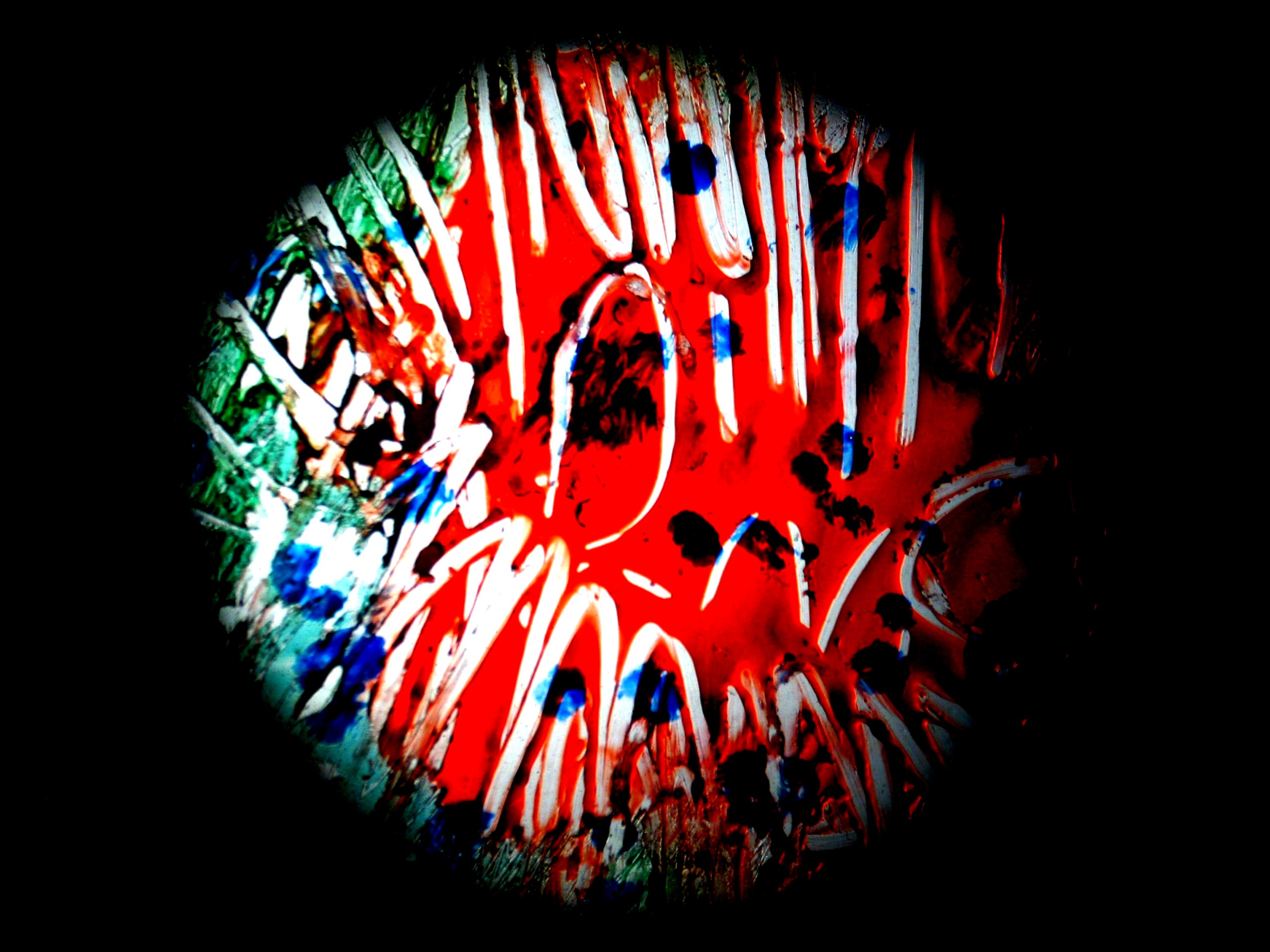
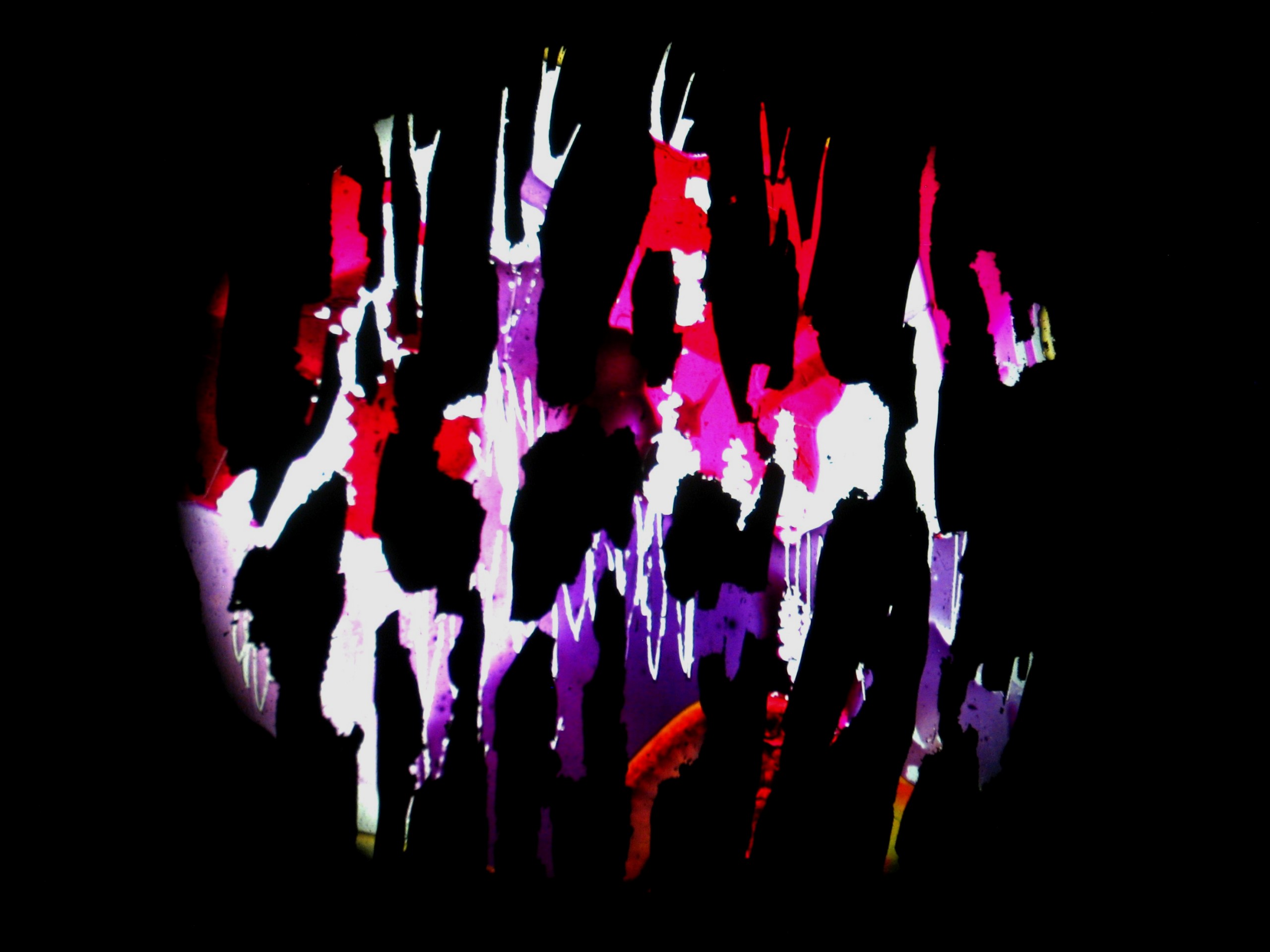
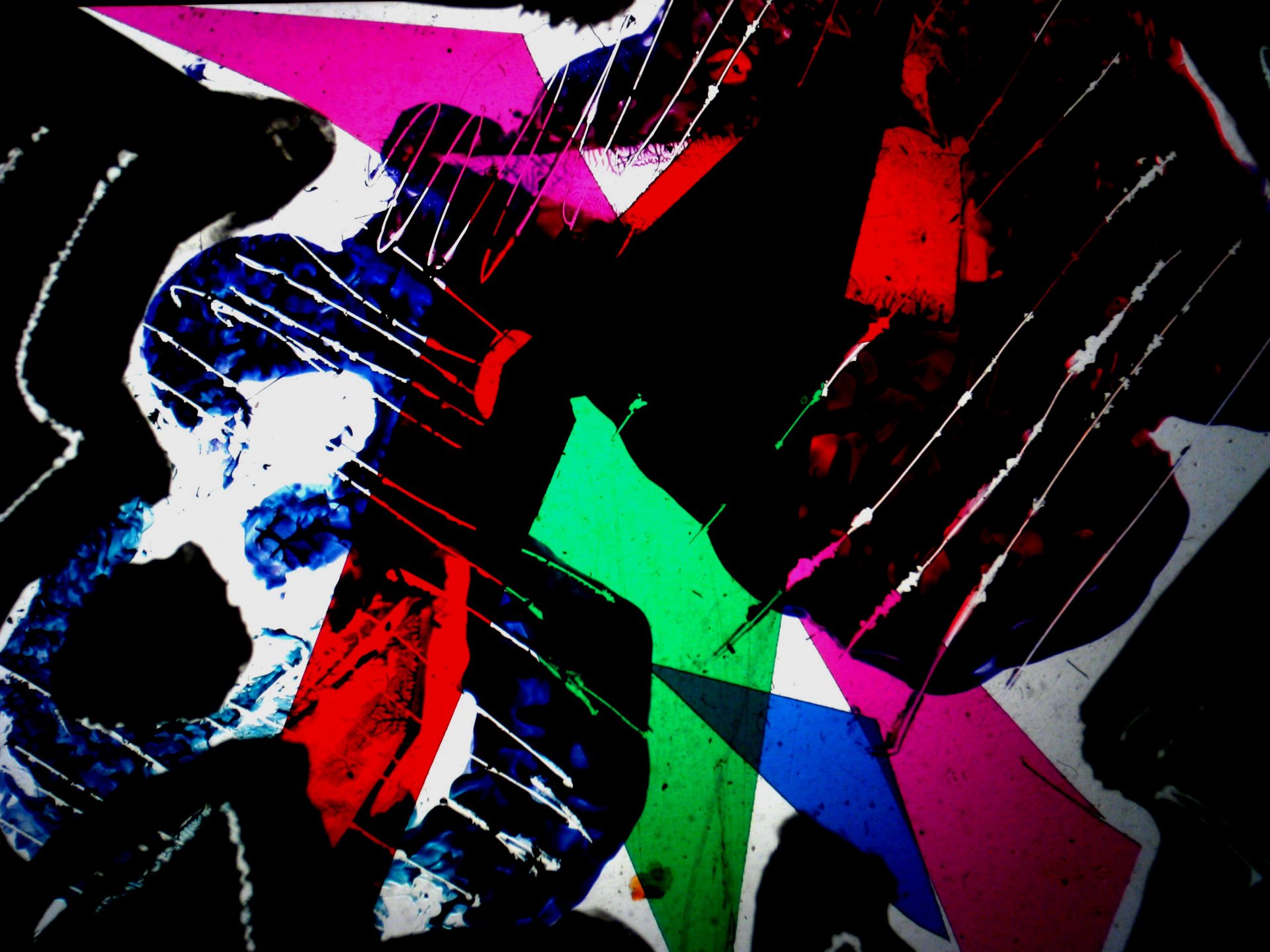
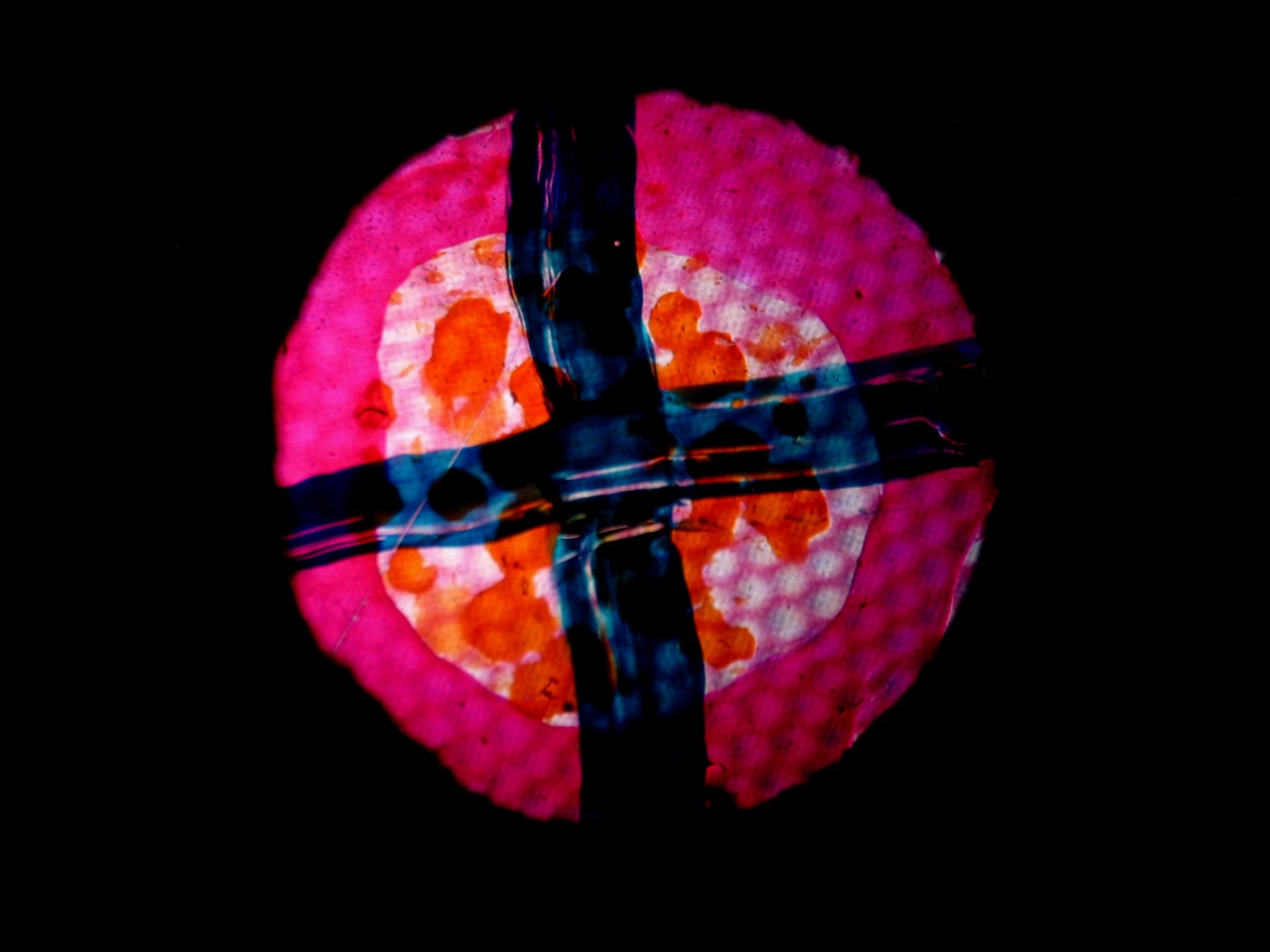
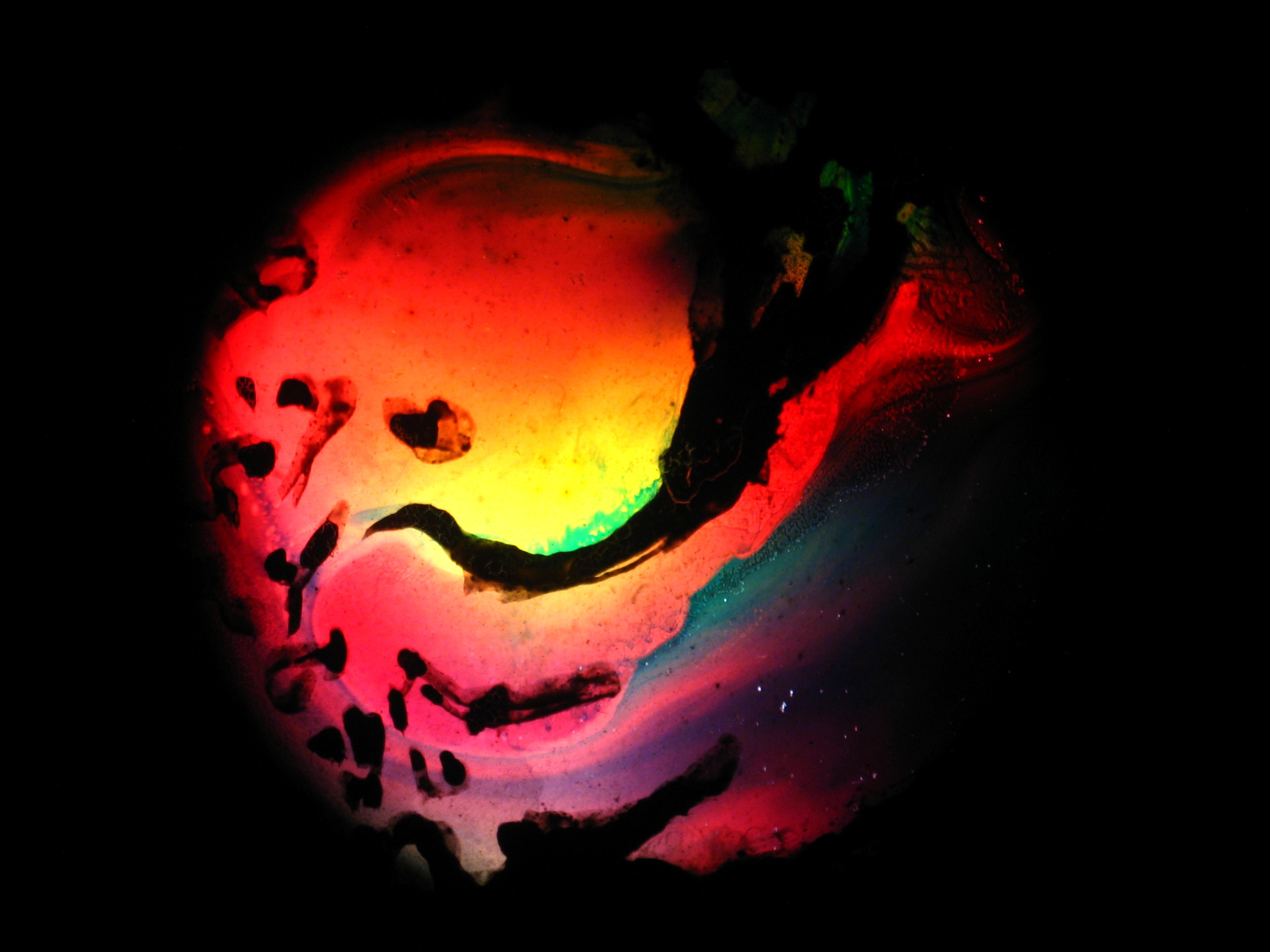
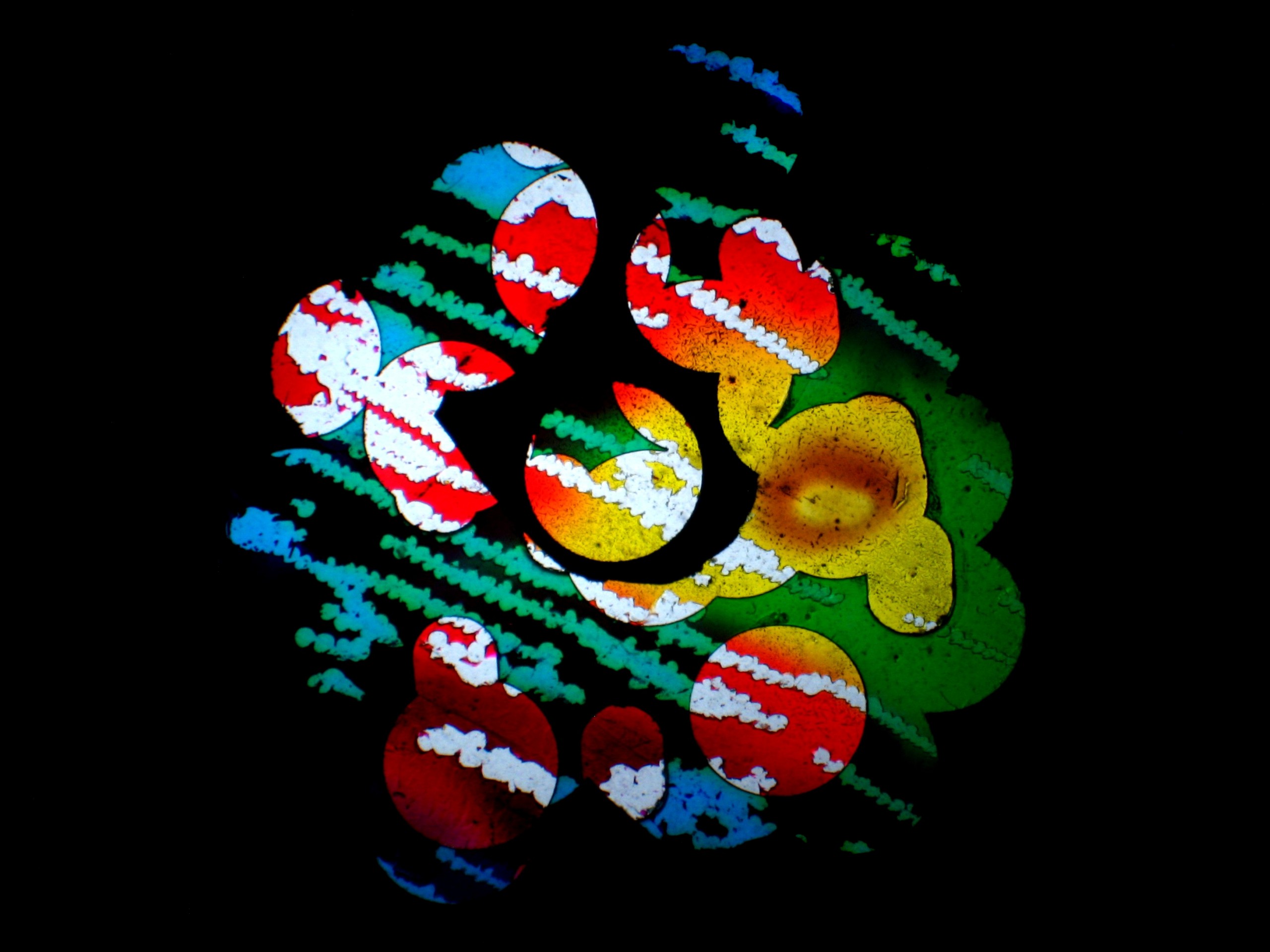
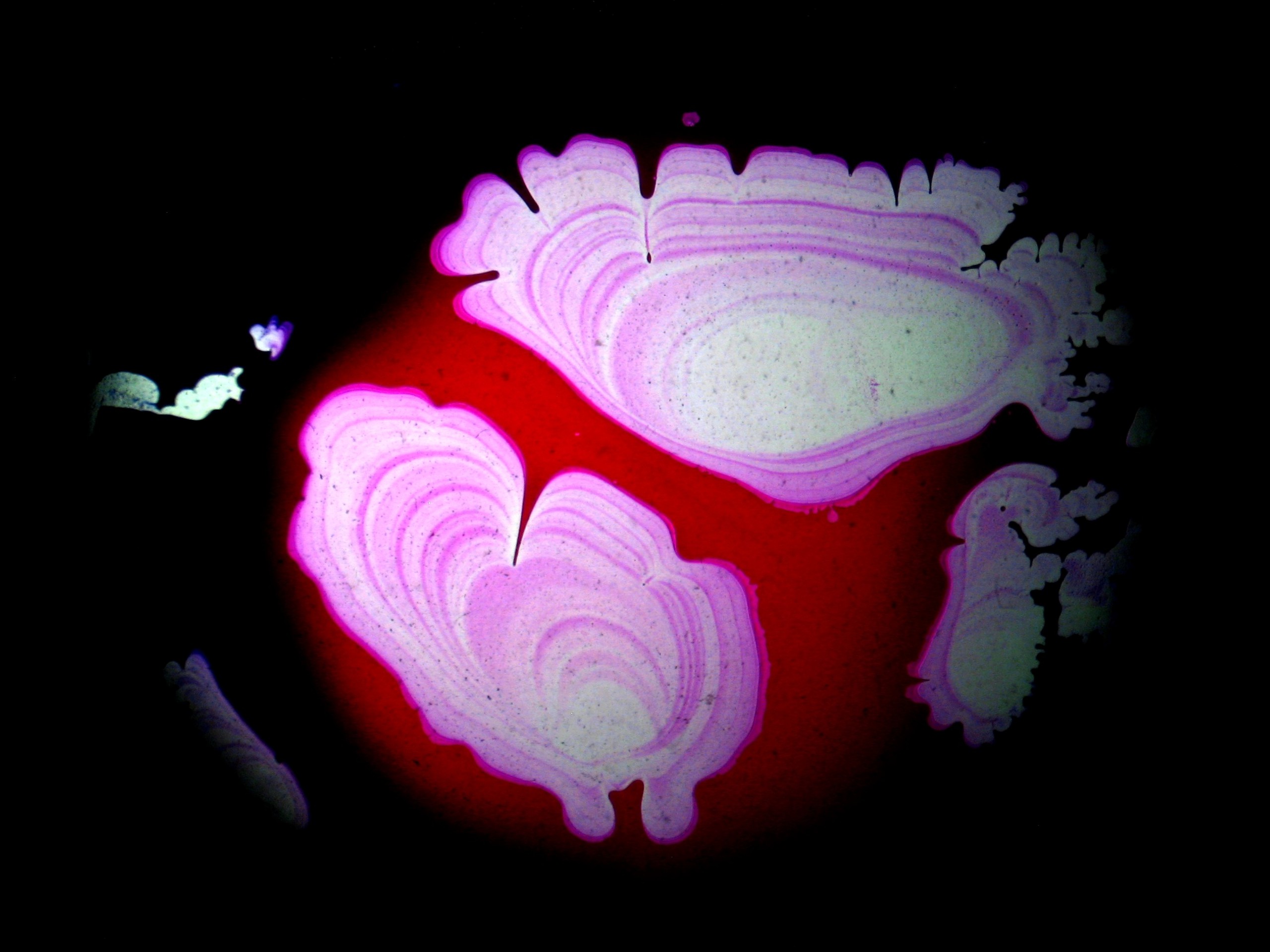
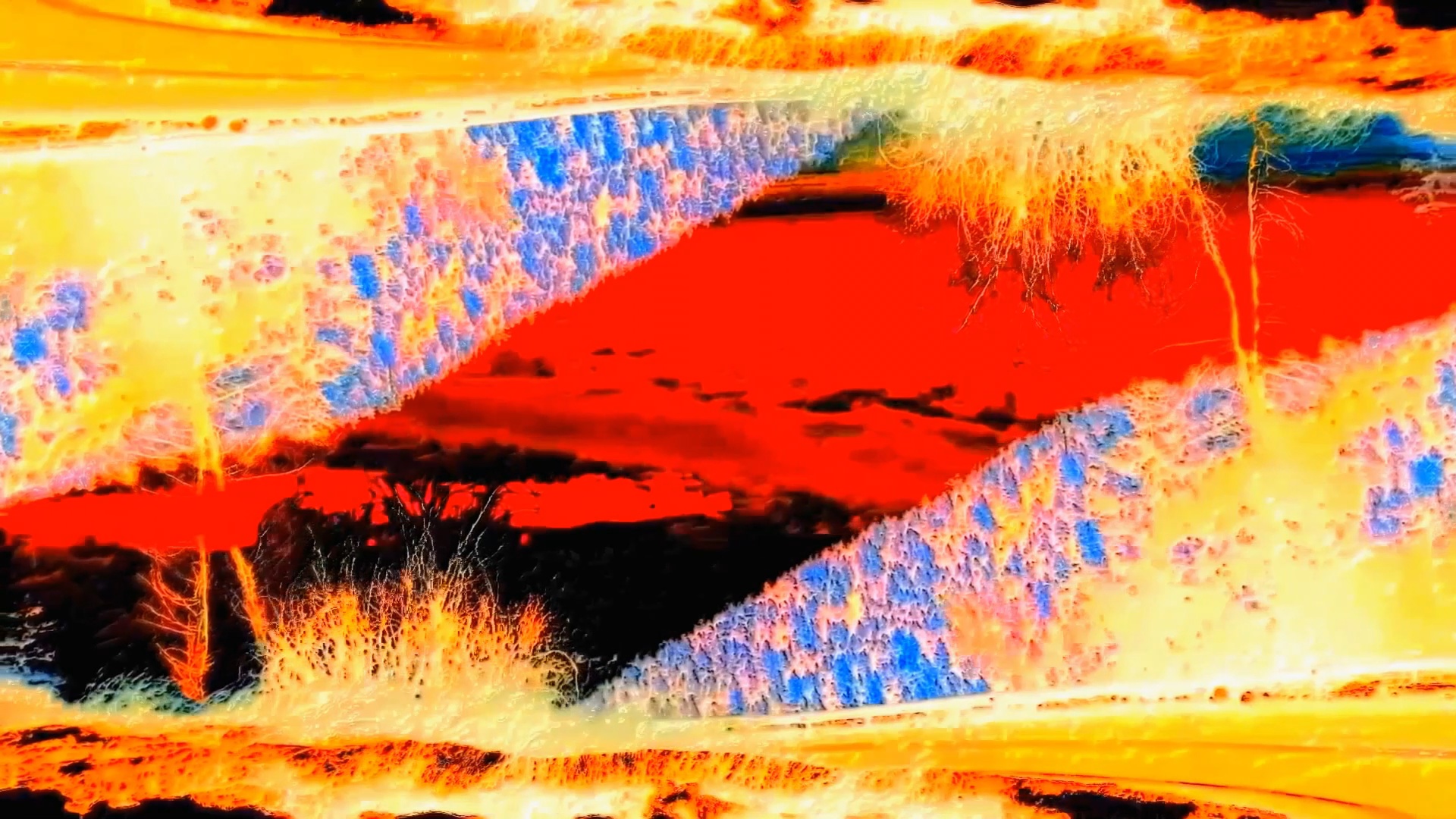
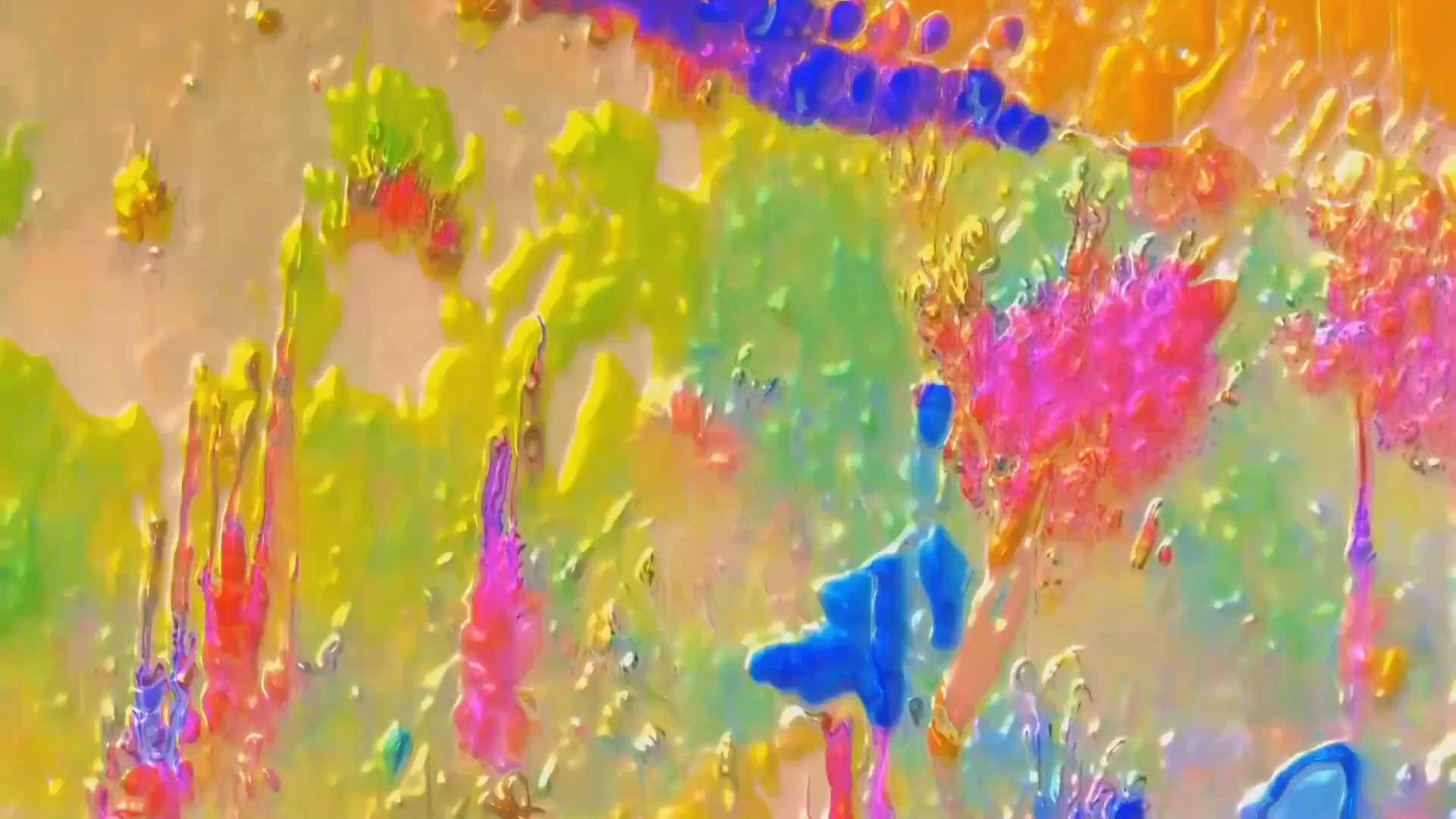
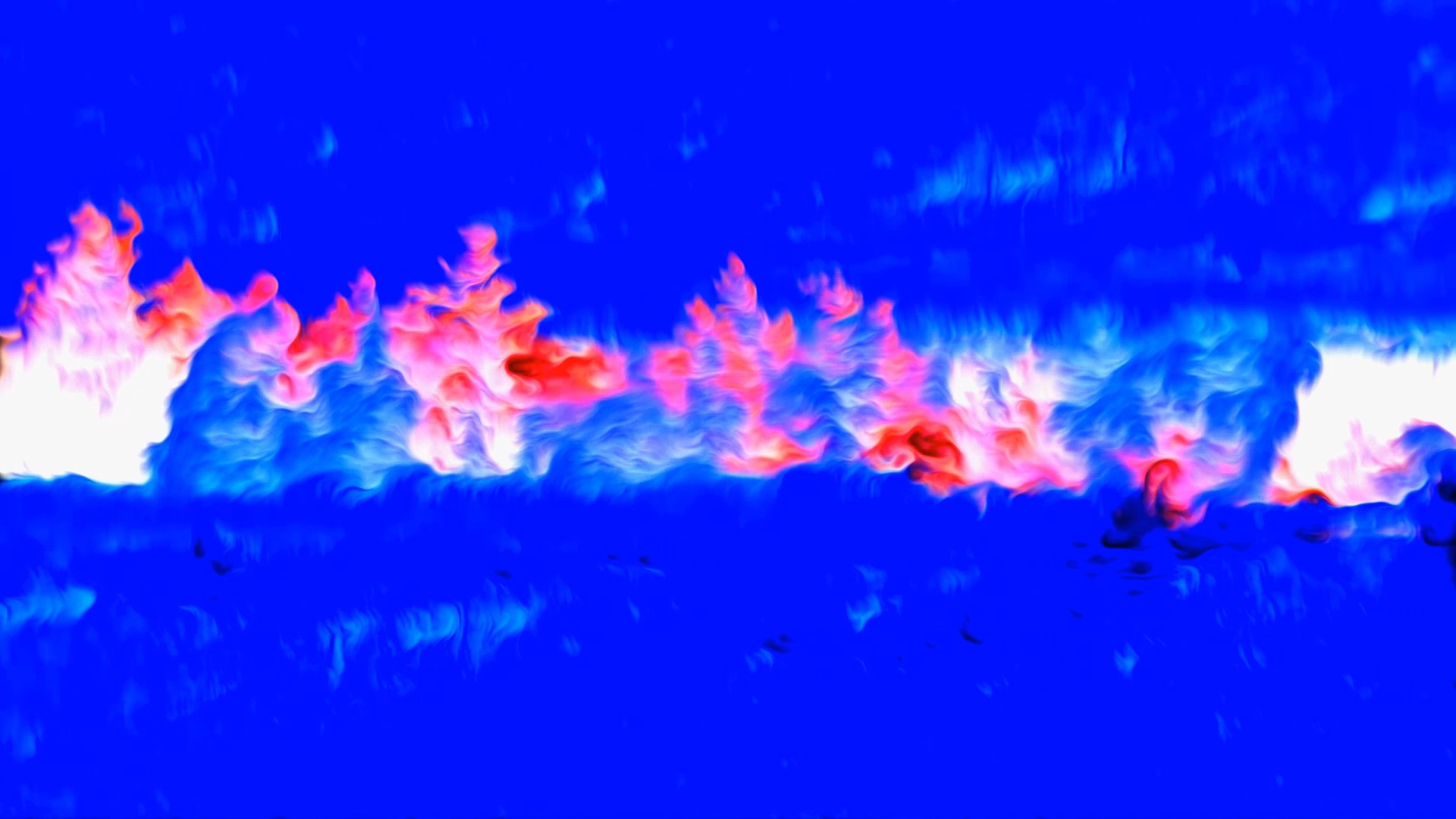
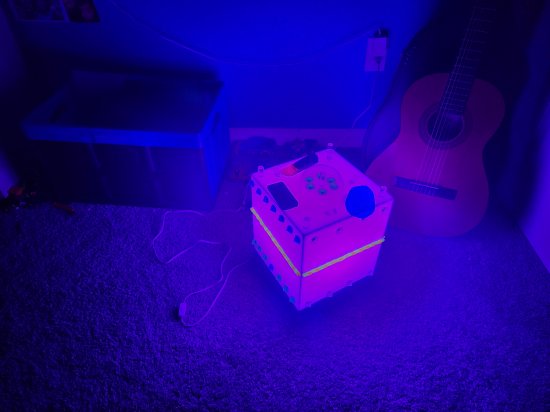
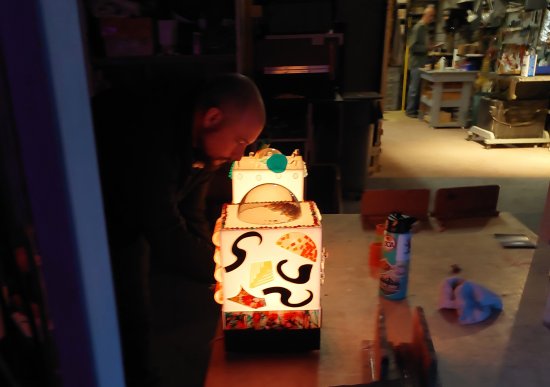
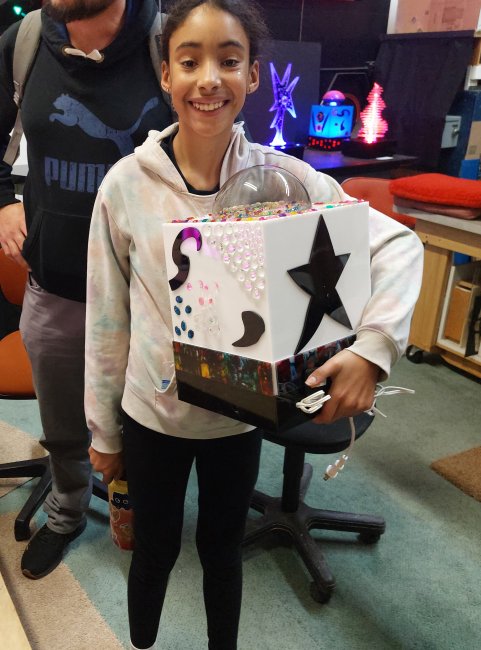
We are happy to announce that we are adding Fridays to the Lumonics Immersed event schedule.
Fridays and Saturdays
8 pm to 10 pm
Doors: 7:45 pm Performance: 8:15 pm
Tickets:
From $15-$28.52
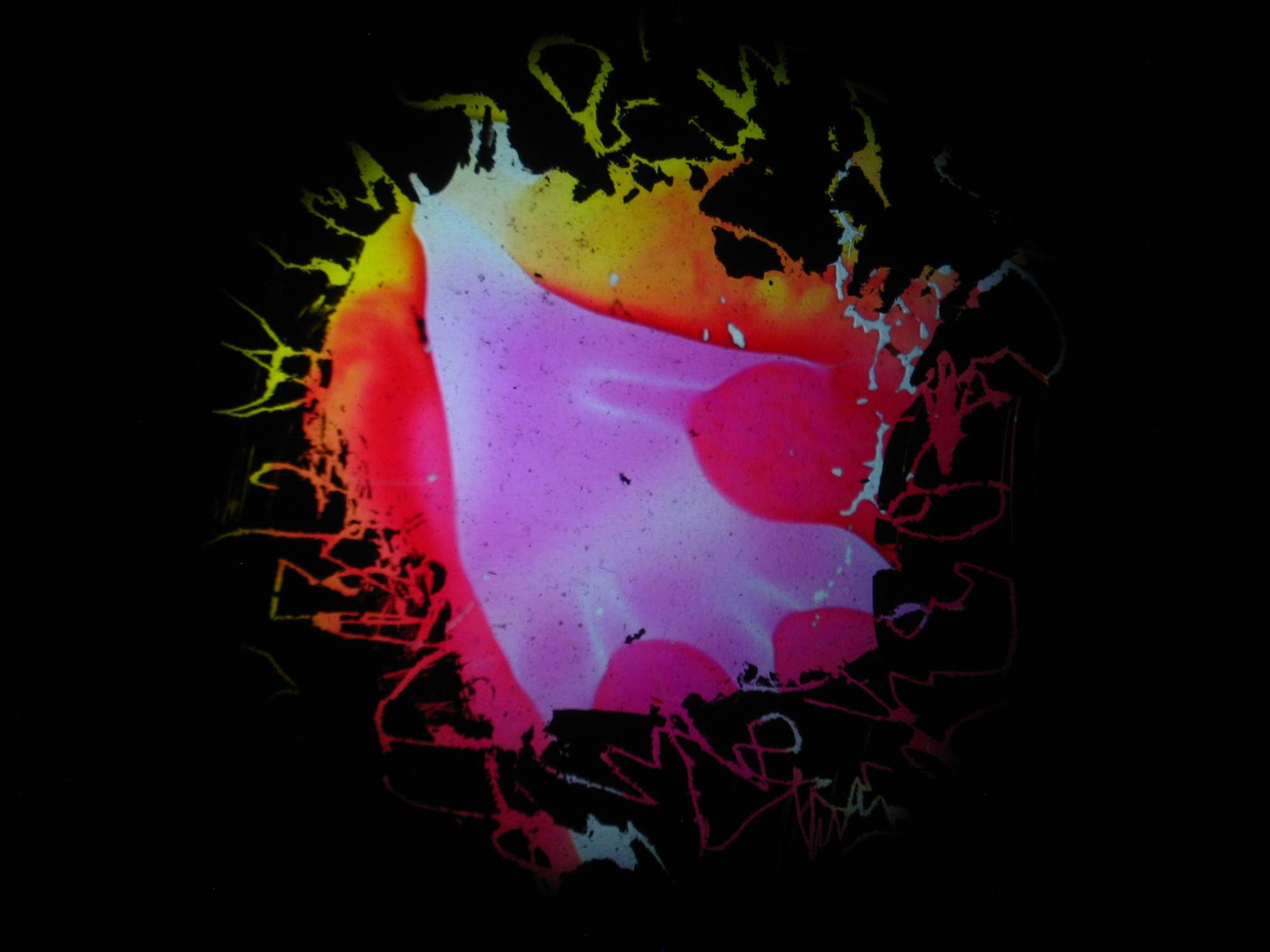
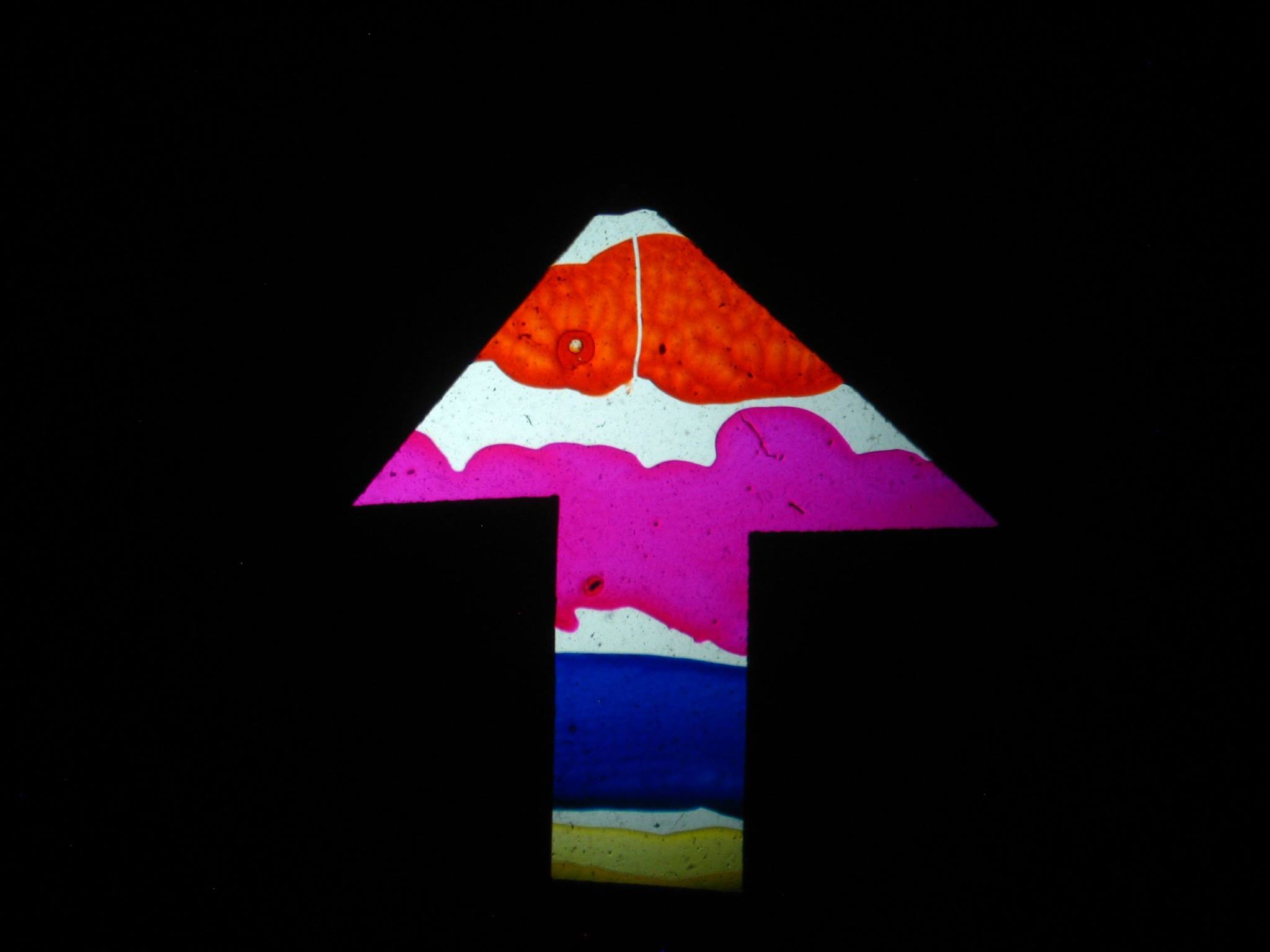
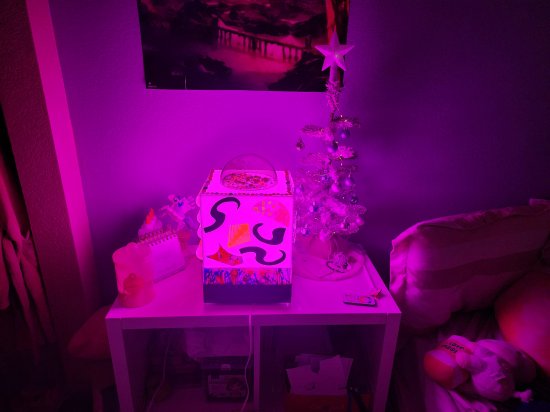
Glowing light sculptures, captivating video art projection and music converge to relax your body and engage your mind and emotions.
Each performance is one-of-a-kind and orchestrated live.
“For over 50 years, Lumonics has been a pioneer in light art. Founded in the 1960s by the late Dorothy and Mel Tanner, it is ‘one of the first and longest-standing light art studios in the U.S., long before immersive art was considered a trend’”. (Denverite)
“We present the most up-to-date form of the Lumonics expression that originated in 1969. Our intention is to expand the boundaries of sensory engagement and artistic expression, and honor Dorothy and Mel Tanner’s contribution to light art and the immersive experience.”
– Marc Billard / Barry Raphael
Our dear friend, Lisa Wimberger, founder of The Neurosculpting Institute in Denver, introduced us to Sarah and Zander Thiele. They founded Setl which combines VR technology, immersive art experiences, and Atmos dolby surround sound to deliver wellness experiences made of intentionally composed music and art.
Sarah and Zander visited Lumonics on Wed, June 18, 2025, and we had a wonderful time conversing with them and taking them on a tour of Lumonics including a mini-immersive experience.
We look forward to collaborating with them in the future.
On June 13, 2025, Ria G., a PhD Candidate at Cornell University, visited Lumonics. Ria is doing dissertation research at various immersive arts museums, galleries and exhibitions, and came to Denver for an academic conference next week. She has a particular interest in disability arts. We had a wonderful get-together showing her Lumonics, and doing a mini-immersive performance for her.
As loneliness and anxiety surge, immersive wellness and shared experiences are rising as a new remedy. With the wellness economy projected to soar from $5.6 trillion to $8.5 trillion by 2027, people are seeking new ways to ease anxiety and reconnect. From experiential commissioners to wellness brands and real estate developers, now is the time to invest in projects that blend entertainment with well-being.
Immersive shared experiences are evolving beyond entertainment into transformational wellness catalysts—functional experiences, rooted in neuroscience, designed to create real-world impact on cognitive and emotional well-being. As society demands solutions to global challenges, two key macrotrends are shaping the future of immersive wellness.
Aten Reign by James Turrell
The Weather Project by Olafur Eliasson
Immersive Art Experiences for Embodiment, Shared Reflection, and as Emotional Catalysts
Immersive art experiences restore embodiment, act as emotional catalysts, and provide shared reflection spaces to process global and societal challenges. Pioneering in this space is the beautiful book Your Brain on Art by Susan Magsamen and Ivy Ross, promoting the field of neuroarts and how it can improve health and well-being.
Installation by Doug Wheeler
Immersive Art Experiences as Embodiment
As digital life disconnects us from our bodies, we need functional, real-world experiences that restore embodiment and physical awareness. Immersive, multi-sensory art helps us feel present, grounded, and attuned to our emotions, offering a much-needed reconnection to our physical selves.
James Turrell’sAten Reign plays with space, color, and the Ganzfeld effect—an optical phenomenon where uniform visual fields alter depth perception—shifting perception and deepening physical presence. Spaces like Al Waha, a sensory spa inside the Museum of the Future, use light, sound, and therapeutic interactive treatments to reconnect guests with their senses. Lupuna, a multisensory encounter with Lupuna trees immerses participants in the natural world through spatial audio, light, and rain machines, dissolving the boundary between self and nature. This experience fosters a deep sense of interconnectedness, expanding one’s sense of self. The Hum offers a new way of listening, where guests feel sound spatially inside their bodies through vibrations, deepening sensory perception.
Satellite One by Chromasonic
Chromasonic Fields by Chromasonic
Immersive Art Experiences as Emotional Catalysts
Once embodied, we become more receptive to emotions we’ve suppressed or overlooked. Immersive art can surface hidden feelings, bringing unconscious emotions into awareness and providing space to process them. By eliciting emotions we didn’t realize we carried, it helps us acknowledge, release, and move forward.
Olafur Elliasson’s frictional encounters reveal the symbiotic relationship between audience and artwork, where art catalyzes deep, unarticulated emotions. Your gaze, shaped by past experiences, actively co-creates the piece, making art both a mirror for self-discovery and a tool for emotional processing. Chromasonic Field and Satellite One are rooted in neuroaesthetics, using generative light and sound experiences to dissolve the boundaries between sight and sound. They guide participants into a liminal state where color is audible and sound is visible. This multisensory immersion fosters deep presence, embodiment, and emotional awareness, enhancing relaxation, resilience, and well-being.
Dreammachine by Jennifer Crook
Immersive Art Experiences as Shared Reflection Spaces
Emotions are even more powerful when processed collectively. Belonging is key to well-being—when we process emotions together, we feel seen, supported, and connected. As traditional gathering places like churches and community centers decline, we need new third spaces beyond home and work. Shared reflection spaces offer connection in an era of social fragmentation, fostering healing, social well-being, and deep emotional processing.
Dreamachine uses strobing light and Jon Hopkins’ immersive soundscape to evoke vivid colors and patterns in the mind, simulating a psychedelic experience without drugs and fostering deep introspection. Social saunas are emerging as the new nightlife, offering contrast therapy and real-life connections beyond bars. Othership blends sauna, cold plunges, sound baths, and tea room, with DJ-led “upper” sessions for energy or “downer” sessions for deep relaxation—fostering shared emotional release in a sober, body-positive, and tech-free space. Submersive, an upcoming immersive bathhouse, uses sensory stimuli and neuroscience to elevate consciousness through awe, wonder, and euphoria. As bathhouses rise in popularity, they provide a much-needed digital detox and analog, communal experiences—an antidote to loneliness and information overload.
Submersive by Corvas Brinkerhoff
Transformation Through Awe, Community, and Catalyst Experiences
Transformation through Awe and Wonder
Awe is a potent force for personal and social transformation, fostering empathy, reducing ego, and increasing prosocial behavior. It shifts us from self-interest to connection, humility, and community, while wonder fuels imagination, risk-taking, and open-mindedness—key traits for leadership and innovation. As Dacher Keltner defines it, awe arises when we encounter something vast that transcends our understanding of the world. It calms the nervous system, reduces stress, and deepens our sense of meaning.
Experiences that cultivate awe unlock creativity and adaptability. The Nomadic School of Wonder, founded by Barbara Groth, designs “adventures in awe” that blend nature, art, and play to nourish imagination and curiosity. As Groth states, “If you don’t have time to nourish your people and their imaginations, you don’t have time to create or invent the new.”
Beau Lotto’s Lab of Misfits uses perceptual neuroscience to help leaders embrace uncertainty, recognizing that “not knowing is—ironically—the most important counterintuitive step that leaders and individuals can take to invent, innovate, and evolve.” By enhancing Perceptual Intelligence—the ability to navigate uncertainty and see differently—they empower individuals and businesses to make better decisions, unlock creativity, and lead with adaptability.
Othership by Robbie Bent
Burning Man
Transformation through Community
As social creatures, we seek to feel seen, understood, and valued. Shared experiences dissolve ego barriers, foster unity, and enhance well-being, making community a powerful catalyst for transformation.
Events like Burning Mandemonstrate the power of radical participation, where extreme conditions, a gift economy, and communal rituals foster creativity, adaptability, and deep social bonds. In a space without monetary exchange, attendees develop problem-solving skills, prosocial behavior, and resilience, experiencing transformation through community, self-expression, and shared purpose.
Rituals deepen transformation, turning ordinary moments into meaningful shared ceremonies that strengthen identity, belonging, and social bonds. Sociologist Émile Durkheim called this collective effervescence—the heightened energy of shared experiences, where individual boundaries dissolve, amplifying unity, emotional resonance, and collective growth.
Belonging combats the modern loneliness epidemic, which affects 61% of Americans and profoundly shapes both individual well-being and societal health. Storycraft’s Wheel of Belonging highlights pathways like empowerment, purpose, and authenticity, showing that belonging isn’t just a feeling but a commitment to curiosity and meaningful connection. Oasis by Jasmin Jodry
Transformation through Catalyst Experiences
People seek experiences that transform, not just transport. I design storyliving experiences with powerful catalyst moments that may spark change, with true transformation unfolding as participants apply insights in daily life.
My approach follows a three-phase process: priming, where context and engagement are set; catalyst, where a pivotal moment may trigger change; and integration, supported through built-in reflection moments and follow-up engagement, such as email check-ins. Transformation doesn’t end when the experience does. While personal application is unique to each participant, I see opportunities to deepen this phase—whether through guided facilitation or structured follow-through—to help change take root.
For example, my mother’s lifelong dream of singing was reignited at 72 when I surprised her with a live band playing her favorite songs—a catalyst that reawakened her passion. Now, she sings daily in her senior living home. To nurture that transformation, I hired a singing teacher specializing in dementia to help her reconnect with memory through music. This experience reinforces how catalyst moments spark lasting transformation—especially when supported with thoughtful follow-through.
Even when transformation isn’t an explicit KPI for a ticketed immersive experience in LBE, I love embedding aspirational hooks and catalyst moments into the worlds I design. My projects span wellness to entertainment, including neuroaesthetic breathwork immersions and multisensory spa concepts.
On the entertainment side, I envision, conceptualize, and creative-direct IP-based worlds that immerse guests in cinematic storytelling and interactive experiences. Bob Marley: Hope Road at Mandalay Bay in Las Vegas unites participants through music, while Mafia Mansion challenges guests to navigate ethical dilemmas. In Avatar: The Way of Water Experience, guests synchronize heartbeat and breath like the Na’vi with Eywa. A rainforest journey fosters love for the jungle, inspiring rainforest preservation and driving climate action. At their core, these experiences are bold, immersive, and entertaining—designed to inspire personal and social transformation with an impactful edge.
Oasis by Jasmin Jodry
The Future of Immersive Wellness
From awe and community to catalyst experiences, immersive wellness is redefining how we heal, connect, and grow. As Joe Pine says, we are in the New You business—where well-being unlocks human potential through transformative experiences.
This isn’t just a trend; it’s the future of experience design. Experiential commissioners, real estate developers, and wellness brands have a rare opportunity to pioneer new frontiers in healing and transformation—shaping a more connected, thriving society. The time to act is now.
—–
Jasmin Jodry
Executive Creative Director | Storyliving: Experiential + Immersive Experience Design | Themed Entertainment | Creating + Spatializing IPs for LBE | Blooloop Top 50 Immersive Influencer | Keynote Speaker
Jasmin Jodry is an award-winning Creative Director and experience designer, recognized as one of the Blooloop Top 50 Immersive Influencers worldwide. She creates immersive storyliving experiences blending art, entertainment, and technology to encourage participation and inspire social connection.
Websites store cookies to enhance functionality and personalise your experience. You can manage your preferences, but blocking some cookies may impact site performance and services.
Essential cookies enable basic functions and are necessary for the proper function of the website.
Name
Description
Duration
Cookie Preferences
This cookie is used to store the user's cookie consent preferences.
30 days
These cookies are needed for adding comments on this website.
Name
Description
Duration
comment_author
Used to track the user across multiple sessions.
Session
comment_author_email
Used to track the user across multiple sessions.
Session
comment_author_url
Used to track the user across multiple sessions.
Session
Statistics cookies collect information anonymously. This information helps us understand how visitors use our website.
Google Analytics is a powerful tool that tracks and analyzes website traffic for informed marketing decisions.
Contains information related to marketing campaigns of the user. These are shared with Google AdWords / Google Ads when the Google Ads and Google Analytics accounts are linked together.
90 days
__utma
ID used to identify users and sessions
2 years after last activity
__utmt
Used to monitor number of Google Analytics server requests
10 minutes
__utmb
Used to distinguish new sessions and visits. This cookie is set when the GA.js javascript library is loaded and there is no existing __utmb cookie. The cookie is updated every time data is sent to the Google Analytics server.
30 minutes after last activity
__utmc
Used only with old Urchin versions of Google Analytics and not with GA.js. Was used to distinguish between new sessions and visits at the end of a session.
End of session (browser)
__utmz
Contains information about the traffic source or campaign that directed user to the website. The cookie is set when the GA.js javascript is loaded and updated when data is sent to the Google Anaytics server
6 months after last activity
__utmv
Contains custom information set by the web developer via the _setCustomVar method in Google Analytics. This cookie is updated every time new data is sent to the Google Analytics server.
2 years after last activity
__utmx
Used to determine whether a user is included in an A / B or Multivariate test.
18 months
_ga
ID used to identify users
2 years
_gali
Used by Google Analytics to determine which links on a page are being clicked
30 seconds
_ga_
ID used to identify users
2 years
_gid
ID used to identify users for 24 hours after last activity
24 hours
_gat
Used to monitor number of Google Analytics server requests when using Google Tag Manager
1 minute
Marketing cookies are used to follow visitors to websites. The intention is to show ads that are relevant and engaging to the individual user.
Google Maps is a web mapping service providing satellite imagery, real-time navigation, and location-based information.